Why Summer Wear on Your AC Capacitor Triggers Fall Furnace Lockouts

The Frustration of an Unexpected Furnace Lockout
When seeking local service expertise and area tips for preparing your home for winter, one of the most frustrating discoveries we hear about at Air Kings Heating And Cooling is an unexpected furnace lockout during the first major cold snap. Homeowners naturally expect their heating system to work flawlessly after months of inactivity, but in our experience, early cold snaps often reveal hidden mechanical and electrical issues. Waking up to a freezing house during late-fall November freezes leaves many wondering what went wrong overnight.
A furnace failing to maintain temperature isn't always a primary heating component failure, such as a cracked heat exchanger or a faulty gas valve. Surprisingly, our technicians find that these sudden shutdowns often stem from shared electrical parts that bridge your cooling and heating equipment. The transition from intermittent, mild fall heating to continuous, heavy operation exposes vulnerabilities that actually developed months prior during the hottest days of the year.
Understanding this mechanical connection is crucial for determining your next steps. Homeowners must often make a rapid decision: is the issue a basic airflow problem (like a clogged air filter) that can be easily remedied, or is it a complex electrical or sensor failure requiring professional intervention? By recognizing how seasonal transitions impact shared HVAC services components, you can better navigate these sudden breakdowns and secure the right professional help before deep winter sets in.
The Transition from Intermittent to Continuous Operation
During early autumn, your heating system only runs in short bursts to take the chill out of the morning air. This intermittent operation rarely stresses the electrical components to their maximum capacity. However, as late-fall November freezes arrive, the system is forced into continuous, prolonged cycles. A weakened component that could survive a ten-minute heating cycle will rapidly overheat and fail when asked to run for forty-five minutes straight. This is why lockouts seem to happen "out of nowhere" the moment the weather turns truly hostile.
Understanding the Shared Role of the Blower Motor Capacitor
To understand why a summer cooling part affects your winter heating, you first need to understand the function of an HVAC capacitor. An AC capacitor acts as a powerful temporary battery that provides the initial jolt of electricity needed to start large motors, and then supplies a continuous, steady stream of voltage to keep them running efficiently. Without this component, the motors simply cannot draw enough power from your home's electrical grid to overcome their own inertia.
Many residential systems utilize a shared blower motor. This single motor is responsible for pushing chilled air through your ductwork in the summer and heated air during the winter. Because the blower motor operates year-round in many Mundelein, IL residential homes, the run capacitor attached to it never truly gets an off-season. It accumulates wear regardless of whether the thermostat is set to "cool" or "heat."
When this specific component degrades, the entire air circulation process is compromised. If the blower motor cannot start, or if it runs at a severely reduced speed, the system cannot distribute conditioned air. For air conditioning repair and installation professionals like our team, finding a degraded blower capacitor during a fall heating check is incredibly common because the part has just endured months of non-stop summer operation.
Start Capacitors vs. Run Capacitors
While both store energy, they serve slightly different functions in your shared blower motor system:
• Start Capacitors: Provide a massive, instantaneous burst of energy (often 3 to 4 times the running voltage) solely to get the heavy motor spinning from a dead stop.
• Run Capacitors: Remain engaged the entire time the motor is running, providing a steady, optimized electrical current that keeps the motor spinning at the correct RPM without overheating.
Because the run capacitor is under continuous electrical load whenever air is moving through your vents, it is highly susceptible to wear, tear, and thermal degradation over a long season.
How Severe Summer Heat Masks Electrical Wear
The climate plays a massive role in the lifespan of HVAC electrical components. High temperatures and oppressive humidity force cooling systems to run longer cycles, placing immense thermal and electrical stress on capacitors. Having served this community through countless seasons, we know firsthand how Mundelein's hot and humid summers force AC units to work overtime, increasing the electrical load and ambient heat inside the cabinet, which slowly degrades the dielectric fluid inside the capacitor.
As this fluid breaks down, the capacitor loses its ability to hold a full electrical charge. This degradation happens gradually. A capacitor rated for 10 microfarads might drop to 8, then 6, then 4. Often, this goes entirely unnoticed as the cooling season winds down. The blower motor might run slightly hotter or slower, but it still manages to push enough cool air to satisfy the thermostat.
The shift to cooler autumn weather reduces the system load temporarily, effectively masking the electrical degradation. Because the home doesn't need as much aggressive climate control, the weakened capacitor isn't pushed to its breaking point. However, this is a false sense of security. It isn't until the heating system demands continuous, reliable blower operation during late-fall November freezes that the weakened capacitor finally fails entirely, bringing the furnace down with it.
The Cycle of Degradation
• Peak Summer — System Demand: Continuous cooling cycles; high ambient heat. — Impact on Shared Capacitor: Maximum thermal stress; dielectric fluid begins to break down and lose charge capacity.
• Early Fall — System Demand: Intermittent, short heating or cooling cycles. — Impact on Shared Capacitor: Reduced stress masks the damage; motor runs slightly inefficiently but avoids total failure.
• Late Fall / Winter — System Demand: Continuous, prolonged heating cycles during freezes. — Impact on Shared Capacitor: Weakened capacitor cannot sustain the prolonged electrical demand; motor fails to start or maintain RPM.
Recognizing the Warning Signs of a Failing Capacitor
Because a total system lockout is highly disruptive, recognizing the early symptoms of a degraded capacitor can save you from a freezing night. The transition period in early fall is the perfect time to listen and watch for these signs in Mundelein, IL residential homes before the deep cold sets in.
Catching these symptoms early can prevent a sudden loss of heat. Here are the primary warning signs our technicians recommend watching for:
• Delayed start-up: Notice if the blower motor is slow to engage or sounds like it is struggling to reach full speed when the thermostat calls for heat.
• Weak airflow: Check the vents. If the air feels warm but is barely trickling out of the registers, the blower motor may be running at a reduced RPM due to low voltage from the capacitor.
• Short-cycling: Pay attention to rapid on-and-off cycles. If the furnace fires up but shuts down just a few minutes later without reaching the set temperature, the system is likely overheating due to poor air circulation.
• Unusual warmth near the cabinet: If the exterior of the blower compartment feels excessively hot to the touch, the motor is likely overworking to compensate for a weak electrical supply.
If you have previously spent time troubleshooting a continuously running AC during the summer, you may already be familiar with how airflow issues stress the entire system. The same principles apply to your heating equipment.
Audible Cues of Electrical Struggle
Your ears are often the best diagnostic tool for catching a failing capacitor before it triggers a hard lockout. The electrical struggle produces very distinct sounds:
• A loud, persistent hum: Humming without airflow indicates the motor is receiving power from the control board but lacks the starting torque provided by the capacitor to actually spin the fan wheel.
• Repeated clicking: Distinct clicking noises coming from the HVAC cabinet suggest the system's relays are continuously trying and failing to initiate the cycle because the electrical bridge is broken.
The Direct Path to Furnace Lockouts
When a shared blower motor capacitor finally drops below its required operating range, the mechanical consequences for your furnace are swift and severe. A failing run capacitor reduces the torque of the blower motor. Without the proper electrical support, the motor has to work much harder to spin the heavy fan wheel, causing it to draw excessive amperage and run significantly hotter and slower than designed.
Because the blower motor is moving less air, the heat generated by the furnace burners has nowhere to go. As the motor overheats, the furnace's internal heat exchanger also becomes dangerously hot due to this inadequate airflow. The heat exchanger relies on a constant rush of cold return air to strip the heat away and distribute it through the home. Without that airflow, the metal absorbs all the thermal energy.
Modern furnaces are equipped with a high-limit switch, a critical safety device designed to prevent fires and catastrophic equipment damage. The high-limit switch detects this dangerous temperature spike in the heat exchanger and immediately shuts down the burners. While the burners shut off, the system may try to keep the blower running to cool the unit down. Once the temperature drops, the furnace will try to fire again. However, repeated high-limit trips during late-fall November freezes will eventually cause the furnace control board to enter a "hard lockout" state, disabling the system entirely until a professional resets and repairs it.

High-Voltage Hazards and the Necessity of Professional Diagnostics
When a furnace locks out, the temptation to research a quick fix is strong, especially as the house grows colder. However, dealing with HVAC capacitors is incredibly dangerous. These components are designed to store massive amounts of energy, often retaining upwards of 400 volts even after the main power to the furnace has been disconnected at the breaker panel. Turning off the switch does not render the capacitor safe.
Attempting to test or replace a capacitor without proper training and specialized electrical discharge tools poses a severe risk of life-threatening electrical shock. This is not a component that can be safely handled with standard household tools. Air Kings Heating And Cooling provides professional expertise in safely diagnosing and replacing high-voltage AC components, ensuring reliable operation without ever risking homeowner safety. Licensed technicians carry insulated tools, multi-meters capable of reading microfarads, and the specific knowledge required to safely discharge the stored voltage.
Furthermore, a professional diagnosis ensures that the capacitor is actually the root cause of the lockout. A swollen or leaking capacitor is an obvious visual cue, but many failing capacitors look perfectly normal on the outside. A trained technician will determine if the failure is just a bad capacitor, or if it is a symptom of a larger issue, such as a completely seized blower motor or a faulty main control board. In a recent service call, our team saw a local system stop running unexpectedly during a high-demand period; our technicians arrived promptly, identified the specific broken electrical part, and safely replaced it to get the system running again without unnecessary delays.
Accurate, component-level troubleshooting restores system function safely and prevents recurring breakdowns. Guessing at electrical repairs often leads to blown fuses, fried circuit boards, and significantly higher repair bills.
Targeted Repairs Over Unnecessary Replacements
A sudden furnace lockout can seem catastrophic. When the system goes completely dead and refuses to turn on, it naturally leads homeowners to fear they need an entirely new heating system. The anxiety of a massive unexpected expense during late-fall November freezes is a heavy burden. However, dramatic shutdowns are often the result of built-in safety mechanisms doing exactly what they are supposed to do: stopping the system before real damage occurs.
Thorough professional inspections often reveal that replacing a single degraded electrical component, like a shared run capacitor, can fully restore system efficiency. In a scenario our team frequently encounters, a local HVAC system was not working properly, and other companies claimed a total replacement was needed. A thorough secondary inspection by Air Kings Heating And Cooling revealed that repairing only the specifically degraded components—rather than pushing a full replacement—was all that was required to restore conditioned air efficiently.
This highlights the critical importance of proactive care. A comprehensive preventative maintenance plan is specifically designed to catch this exact type of electrical wear before it cascades into a mid-winter emergency. During a fall tune-up, a technician will test the microfarad reading of the capacitor. If it is dropping below the manufacturer's acceptable range due to summer wear, it can be replaced easily, avoiding the stress of an emergency lockout service call.
Relying on honest, expert assessment protects the longevity of your existing HVAC equipment. Not every breakdown requires a new furnace, but every breakdown does require precise, experienced diagnostics to ensure your home stays warm and safe throughout the winter.
Frequently Asked Questions
What happens when an AC capacitor goes bad?
When an AC capacitor goes bad, the motors it supports—such as the compressor or the blower motor—lose the electrical torque needed to start and run. You will typically hear a loud humming or clicking sound as the system tries to engage. Eventually, the motor will overheat and shut down, halting all air circulation in the home.
Can a bad capacitor cause a furnace lockout?
Yes, a bad shared blower motor capacitor can directly cause a furnace lockout. If the capacitor fails, the blower motor cannot push air over the heat exchanger. The heat exchanger rapidly overheats, tripping the high-limit safety switch, which eventually forces the furnace control board into a hard lockout to prevent a fire.
Why is my furnace short-cycling in the fall?
Short-cycling often occurs when the furnace overheats due to restricted airflow, forcing the safety switches to shut the burners down prematurely. This can be caused by a severely clogged air filter or a failing blower motor capacitor that isn't spinning the fan fast enough. The system cools down, restarts, and overheats again, repeating the cycle.
How do I know if my shared blower motor capacitor is blown?
Common signs include a blower motor that hums but won't spin, exceptionally weak airflow from your vents, or a burning electrical smell near the furnace cabinet. You may also notice the furnace shutting down shortly after igniting. A professional technician will confirm a blown capacitor by measuring its electrical output with a multimeter.
Can I safely replace an HVAC capacitor myself?
No, replacing an HVAC capacitor yourself is highly dangerous and not recommended. Capacitors store massive amounts of high-voltage electricity (often over 400 volts) that remains active even after you turn off the main power breaker. Safely discharging and replacing them requires specialized training and insulated tools to prevent severe electrical shock.
How does summer heat affect my heating system's performance?
Summer heat forces your cooling system to run long, demanding cycles that put immense thermal stress on shared components, particularly the blower motor and its capacitor. This prolonged stress gradually degrades the capacitor's ability to hold a charge. By the time fall arrives, the weakened component is highly susceptible to failure when the furnace demands continuous airflow.
Understanding the link between summer wear and winter performance is the key to maintaining a reliable home climate. If your heating system is struggling, short-cycling, or completely locked out, don't wait for the deep freeze to settle in. Relying on clear, professionally-guided criteria to determine what behaviors are normal versus what signals a serious electrical failure ensures your system receives the precise professional diagnosis it needs before winter fully arrives.

Customer
Testimonials

Great service Very professional
Air Kings was very friendly from start to finish. Very professional and on time. Always communicated with me to keep me informed. I highly recommend them.
Air Kings is a breath of fresh air when working with HVAC companies. Omar was incredibly helpful and polite, offering quality customer service I’ve never seen before. Very easy to talk with Air Kings, I recommend giving them a call!
Brian was super helpful and walked me through everything super nicely as well
Very satisfied
Great service Very professional
Air Kings was very friendly from start to finish. Very professional and on time. Always communicated with me to keep me informed. I highly recommend them.
Air Kings is a breath of fresh air when working with HVAC companies. Omar was incredibly helpful and polite, offering quality customer service I’ve never seen before. Very easy to talk with Air Kings, I recommend giving them a call!
Omar & team are great HVAC experts! They explain what they are doing and are always professional. Great techs that know what they are doing and reasonable prices.


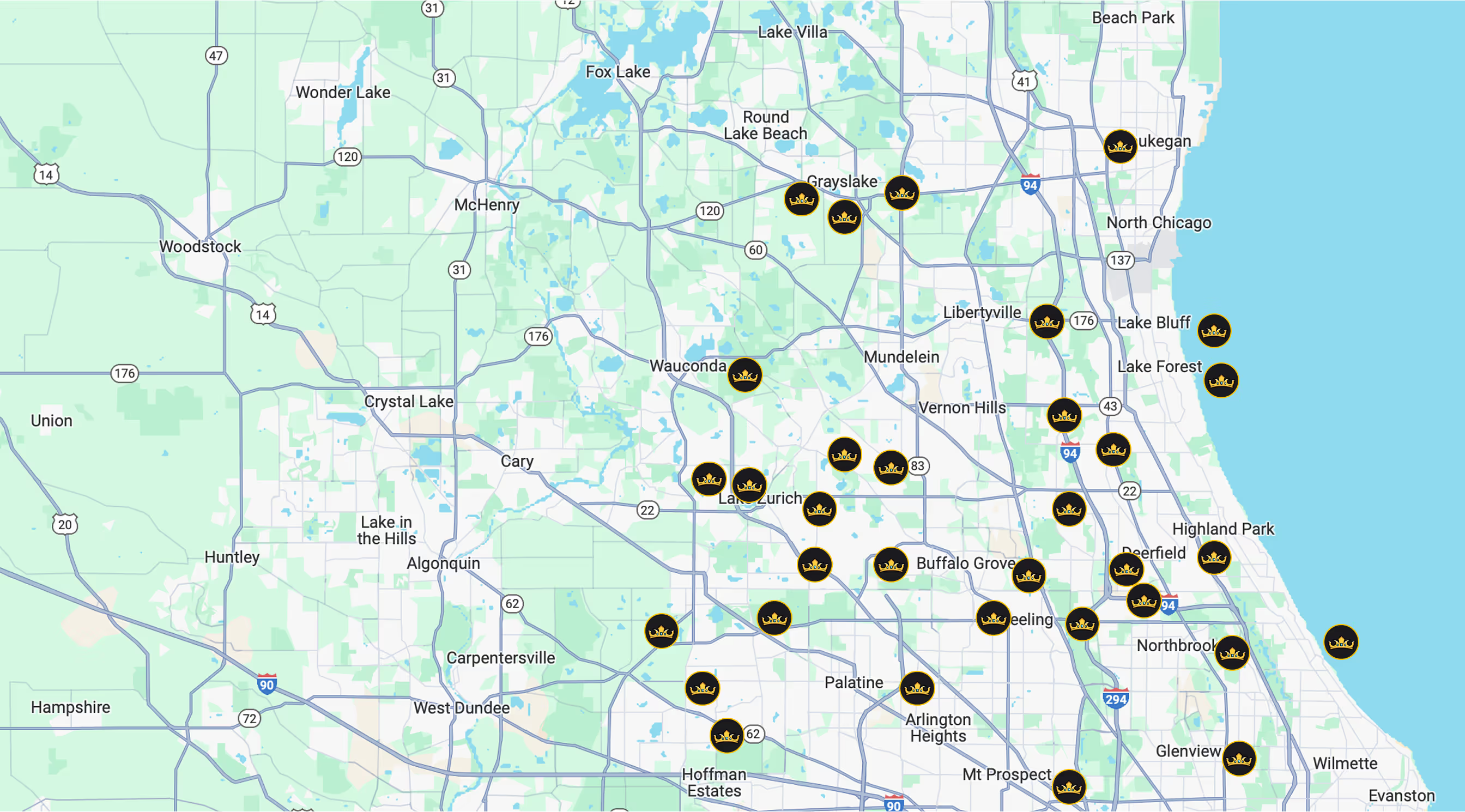
Service areas