Stay Safe: Top HVAC Safety Best Practices for Technicians
Safety Tips: Ensuring Safe Heating and Cooling Operations
Ensuring safety in HVAC operations is crucial for both homeowners and technicians. This article will provide essential tips and guidelines to prevent accidents and hazards associated with heating and cooling systems. By understanding the importance of safety measures, individuals can protect their homes and ensure efficient HVAC performance. The focus will be on various aspects of HVAC safety, including carbon monoxide risks, electrical safety measures, maintenance checks, technician guidelines, DIY safety checks, and commercial standards. Each section will offer actionable insights to enhance safety and reliability in HVAC operations, ultimately contributing to a healthier and more secure living or working environment.
How Can Homeowners Prevent Carbon Monoxide Risks from Furnaces?
Carbon monoxide (CO) is a colorless, odorless gas that can be deadly if not properly managed. Homeowners can prevent CO risks from furnaces by ensuring proper ventilation and regular maintenance. Installing carbon monoxide detectors is essential for early detection, and understanding the signs of CO leaks can save lives. Regular inspections and maintenance checks are vital to ensure that furnaces operate safely and efficiently, preventing the silent killer from posing a threat to your household.
What Are the Signs of Carbon Monoxide Leaks in Furnaces?
Identifying carbon monoxide leaks in furnaces is critical for safety. Prompt recognition of these indicators can facilitate immediate action and prevent serious health consequences. Common signs include:
- Unusual Smells: A faint, musty, or fuel-like odor can indicate a leak, but CO itself is odorless. Any unusual smell near your furnace should be investigated immediately, as it might signal incomplete combustion or another issue.
- Physical Symptoms: Headaches, dizziness, nausea, and fatigue among occupants may signal CO exposure. These symptoms often mimic the flu, making CO poisoning difficult to diagnose without a detector.
- Furnace Performance Issues: Frequent cycling or a yellow or flickering flame instead of a steady blue flame can indicate improper combustion. A healthy furnace flame should always be blue and steady, indicating efficient and safe operation.
Recognizing these signs early can prompt immediate action to mitigate risks, such as evacuating the premises and contacting emergency services or an HVAC professional.
Where Should Carbon Monoxide Detectors Be Installed and Maintained?
Proper installation and maintenance of carbon monoxide detectors are crucial for safety. Strategic placement and consistent upkeep ensure these devices can effectively protect your family. Homeowners should:
- Install Detectors: Place CO detectors on every level of the home, especially near sleeping areas and outside sleeping rooms. It's also advisable to install one near the furnace itself for early detection of leaks from the source.
- Regular Maintenance: Test detectors monthly and replace batteries at least once a year or as recommended by the manufacturer. A simple press of the test button can confirm the unit is functioning correctly.
- Replacement: Replace detectors every 5-7 years, depending on the manufacturer's instructions, to ensure functionality. The sensors in these devices degrade over time, making timely replacement essential for continued protection.
Following these guidelines can significantly reduce the risk of carbon monoxide poisoning, providing peace of mind and a safer home environment.
What Electrical Safety Measures Are Crucial for HVAC Systems?
Electrical safety is paramount in HVAC operations. Given the high voltage and complex wiring involved, both homeowners and technicians must be aware of potential hazards and take proactive measures to prevent electrical fires and accidents. Regular inspections and adherence to safety protocols can help mitigate risks associated with electrical components in HVAC systems, safeguarding property and lives.
How to Prevent Electrical Fires and Hazards in Air Conditioning Units?
Preventing electrical fires in air conditioning units involves several key practices. These measures are designed to address common causes of electrical malfunctions and ensure the safe operation of your cooling system:
- Regular Inspections: Schedule annual inspections to identify and address potential electrical issues. A professional can spot frayed wires, loose connections, or overloaded circuits before they become dangerous.
- Proper Wiring: Ensure that all wiring is up to code, properly grounded, and free from damage or corrosion. Incorrect or outdated wiring is a significant fire hazard and should be rectified by a qualified electrician.
- Use of Surge Protectors: Install surge protectors or whole-home surge protection to safeguard against power surges that can damage equipment. These devices can prevent costly repairs and reduce the risk of electrical fires caused by voltage spikes.
Implementing these measures can significantly reduce the risk of electrical hazards, ensuring your air conditioning unit operates safely and efficiently.
Further research emphasizes the importance of understanding the causes of electrical fires in air conditioners to develop effective prevention strategies.
Air Conditioner Electrical Fire Prevention & Safety
This paper addresses electrical fire case of air conditioner. The use of air conditioner have recently increased as a result of global warming. The aim of this study is to provide safety design and fire prevention measures of air conditioner through cause analysis and reappearance experiments.
A Study on the Fire Case Analysis of Air Conditioner and Preventive Measures, 2013
Why Is Professional Electrical Inspection Important for HVAC Safety?
Professional electrical inspections are essential for maintaining HVAC safety. These specialized checks go beyond what a homeowner can typically observe, providing a thorough assessment of the system's electrical integrity. These inspections help:
- Identify Hidden Issues: Technicians can uncover potential problems that may not be visible to homeowners, such as internal wiring degradation, faulty capacitors, or worn contactors. Their expertise allows them to diagnose subtle issues that could escalate into major hazards.
- Ensure Compliance: Inspections ensure that systems meet local electrical codes and regulations. Staying compliant not only prevents legal issues but also guarantees that your system adheres to established safety standards.
- Prevent Costly Repairs: Early detection of issues can prevent more extensive and expensive repairs down the line. Addressing minor electrical faults promptly can save you from a complete system breakdown or a dangerous electrical fire.
Investing in professional inspections is a proactive approach to ensuring HVAC safety, protecting your investment, and safeguarding your home and family.
Which HVAC Maintenance Safety Checks Ensure System Reliability?
Regular maintenance checks are vital for ensuring the reliability and safety of HVAC systems. These routine inspections and tune-ups are not just about efficiency; they are critical for preventing unexpected breakdowns and mitigating potential safety hazards. Homeowners should prioritize these checks to extend the lifespan of their equipment and maintain a safe indoor environment.
What Does a Comprehensive HVAC Safety Inspection Include?
A comprehensive HVAC safety inspection typically includes a detailed examination of various components to ensure optimal performance and safety. This thorough process leaves no stone unturned in identifying potential issues. It covers:
- Checklist of Inspection Items: Technicians will check filters, ducts, electrical components, refrigerant levels, and combustion safety. They also inspect heat exchangers for cracks, test safety controls, and verify proper thermostat operation.
- Frequency of Inspections: Annual inspections are recommended to maintain system efficiency and safety. For systems that run year-round or in extreme climates, semi-annual checks (spring for AC, fall for heating) are often advisable.
- Professional vs DIY Inspections: While some checks can be performed by homeowners, professional inspections are crucial for thorough evaluations. Certified technicians have the tools and expertise to identify complex issues and perform necessary adjustments safely.
Understanding what to expect during an inspection can help homeowners prepare and ensure their systems are safe and operating at peak performance.
How Does Regular Maintenance Prevent HVAC Safety Hazards?
Regular maintenance plays a critical role in preventing HVAC safety hazards. By proactively addressing potential problems, homeowners can avoid dangerous situations and ensure their systems operate safely and efficiently. Key benefits include:
- Preventative Maintenance Benefits: Routine checks can identify and address issues before they escalate, such as worn-out parts, refrigerant leaks, or electrical faults. This proactive approach significantly reduces the likelihood of sudden failures that could pose safety risks.
- Cost Savings: Regular maintenance can reduce energy costs and extend the lifespan of equipment. A well-maintained system runs more efficiently, consuming less power, and delaying the need for expensive replacements.
- Safety Improvements: Well-maintained systems are less likely to experience failures that could lead to safety hazards, such as carbon monoxide leaks from a cracked heat exchanger or electrical fires from faulty wiring. Consistent upkeep ensures all safety mechanisms are functioning correctly.
By prioritizing maintenance, homeowners can enhance the safety and efficiency of their HVAC systems, protecting their investment and their family's well-being.
What Are the Best Safety Guidelines for HVAC Technicians?
HVAC technicians play a crucial role in ensuring system safety, not only for the equipment they service but also for the occupants of the building and themselves. Adhering to stringent safety guidelines is essential for protecting both technicians and homeowners during service calls, minimizing risks in a profession that often involves working with electricity, refrigerants, and heights.
Which Personal Protective Equipment Do HVAC Technicians Need?
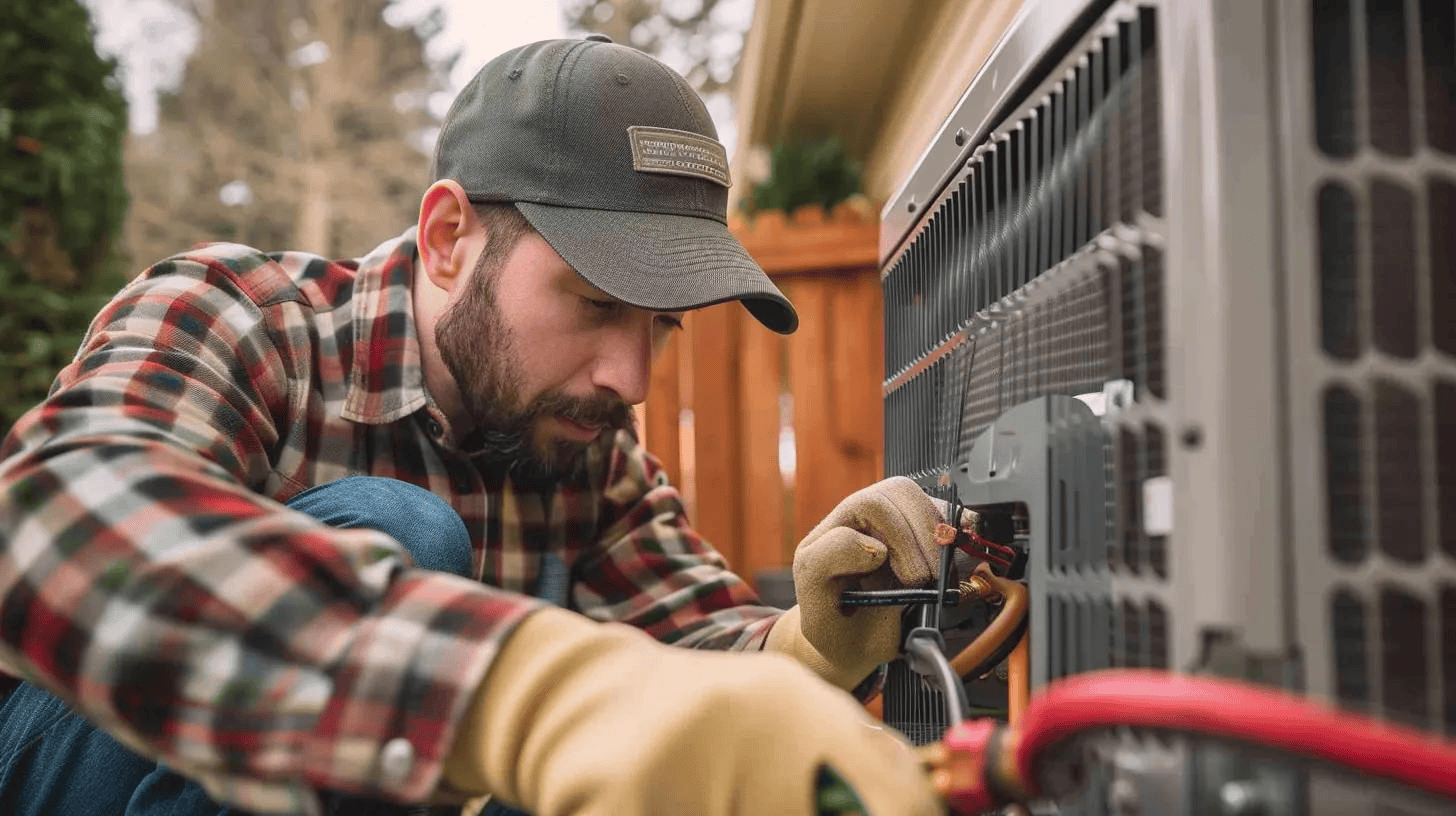
Personal protective equipment (PPE) is vital for HVAC technicians to safeguard against the numerous hazards encountered on the job. Proper PPE is the first line of defense against injuries and exposure to harmful substances. Essential PPE includes:
- Safety Glasses: Protects eyes from debris, refrigerants, and chemicals. Impact-resistant safety glasses or goggles are crucial when cutting pipes, handling chemicals, or working in dusty environments.
- Gloves: Prevents cuts, burns, and exposure to hazardous materials. Different types of gloves are used for specific tasks, such as cut-resistant gloves for handling sharp metal or chemical-resistant gloves for refrigerants.
- Hard Hats: Essential for protection in areas with overhead hazards or construction sites. A hard hat can prevent serious head injuries from falling objects or accidental bumps in confined spaces.
Using the appropriate PPE can significantly reduce the risk of workplace injuries, ensuring technicians can perform their duties safely and effectively.
How Do Technicians Follow Safety Protocols to Prevent Workplace Accidents?
Technicians must adhere to established safety protocols to prevent accidents and ensure a secure working environment. These protocols are developed based on industry best practices and regulatory requirements, aiming to mitigate risks inherent in HVAC work. Key practices include:
- Common Protocols: Following standard operating procedures for equipment handling and lockout/tagout procedures. This ensures that power is safely disconnected and cannot be accidentally re-energized during maintenance or repair.
- Training Programs: Participating in regular safety training to stay updated on best practices and new regulations. Continuous education on topics like confined space entry, ladder safety, and hazardous material handling is critical.
- Real-life Examples: Learning from past incidents to improve safety measures. Analyzing near-misses and actual accidents helps refine protocols and raise awareness among the team.
By following these protocols diligently, technicians can create a safer work environment for themselves and those around them, minimizing the potential for injuries and property damage.
How Can Homeowners Perform DIY HVAC Safety Checks Safely?
Homeowners can perform basic HVAC safety checks to ensure their systems are functioning properly and to catch minor issues before they escalate. However, safety should always be the top priority, and it's crucial to know the limits of DIY tasks versus when to call a professional. These simple checks can contribute to system longevity and efficiency.
What Are the Key Steps in a Homeowner’s HVAC Safety Checklist?
A homeowner’s HVAC safety checklist should include several straightforward steps that can be performed regularly without specialized tools or extensive technical knowledge. These checks help maintain system health and identify potential problems early. Key steps include:
- Inspect Filters: Check and replace filters regularly to ensure proper airflow and indoor air quality. A dirty filter restricts airflow, making your system work harder and potentially leading to overheating or reduced efficiency.
- Examine Vents: Ensure that vents and registers are clear of obstructions to maintain efficiency. Blocked vents can cause uneven heating or cooling and put undue strain on your HVAC unit.
- Check Thermostat Settings: Verify that the thermostat is functioning correctly for optimal performance. Ensure it's set to the appropriate mode (heat/cool) and temperature, and that it responds accurately to changes.
Following these steps can help homeowners maintain their HVAC systems safely, contributing to better performance and potentially preventing minor issues from becoming major repairs.
When Should Homeowners Call Professionals for HVAC Safety Issues?
Homeowners should call professionals for HVAC safety issues when the problem extends beyond basic maintenance or when there are clear signs of a serious malfunction. Attempting complex repairs without proper training and tools can be dangerous and may void warranties. Homeowners should seek professional help when:
- Signs of Serious Issues: Unusual noises, smells (such as burning or gas odors), or performance problems indicate the need for professional help. Any smell of gas, electrical burning, or a persistent grinding noise warrants immediate professional attention.
- Benefits of Professional Help: Technicians can provide thorough inspections and repairs that homeowners may not be equipped to handle safely. They have specialized tools, diagnostic equipment, and the expertise to safely address complex electrical, refrigerant, or combustion issues.
- Cost Considerations: Investing in professional services can save money in the long run by preventing major repairs and safety hazards. While there's an upfront cost, professional intervention can prevent catastrophic failures that are far more expensive to fix.
Knowing when to seek professional assistance is crucial for maintaining HVAC safety, ensuring the longevity of your system, and protecting your home and family.
Conclusion
Prioritizing safety in HVAC operations not only protects homeowners and technicians but also enhances system efficiency and longevity. By implementing essential safety measures, such as regular inspections, proper equipment handling, and adherence to established guidelines, individuals can significantly reduce risks associated with heating and cooling systems. Understanding and adhering to safety guidelines is crucial for maintaining a safe environment, preventing costly repairs, and ensuring the reliable performance of your HVAC investment. Explore our resources for more tips on ensuring HVAC safety today, and take proactive steps towards a safer, more comfortable indoor climate.

Customer
Testimonials

Great service Very professional
Air Kings was very friendly from start to finish. Very professional and on time. Always communicated with me to keep me informed. I highly recommend them.
Air Kings is a breath of fresh air when working with HVAC companies. Omar was incredibly helpful and polite, offering quality customer service I’ve never seen before. Very easy to talk with Air Kings, I recommend giving them a call!
Brian was super helpful and walked me through everything super nicely as well
Very satisfied
Great service Very professional
Air Kings was very friendly from start to finish. Very professional and on time. Always communicated with me to keep me informed. I highly recommend them.
Air Kings is a breath of fresh air when working with HVAC companies. Omar was incredibly helpful and polite, offering quality customer service I’ve never seen before. Very easy to talk with Air Kings, I recommend giving them a call!
Omar & team are great HVAC experts! They explain what they are doing and are always professional. Great techs that know what they are doing and reasonable prices.


Service areas