Heating Tune-up in Mount Prospect
A Mount Prospect heating tune-up page emphasizes preventive care to maintain comfort, efficiency, and safety during long winters. A technician performs mechanical, safety, and efficiency checks, cleans components, calibrates thermostats, inspects airflow, and verifies venting while documenting findings and recommendations. The process emphasizes diagnosing root causes rather than quick fixes, reducing short-cycling, and preventing unexpected breakdowns. Regular tune-ups extend equipment life, lower energy costs, and improve safety. The page also outlines duration, homeowner tips, and when to pursue repairs or replacement.
Heating Tune-up in Mount Prospect
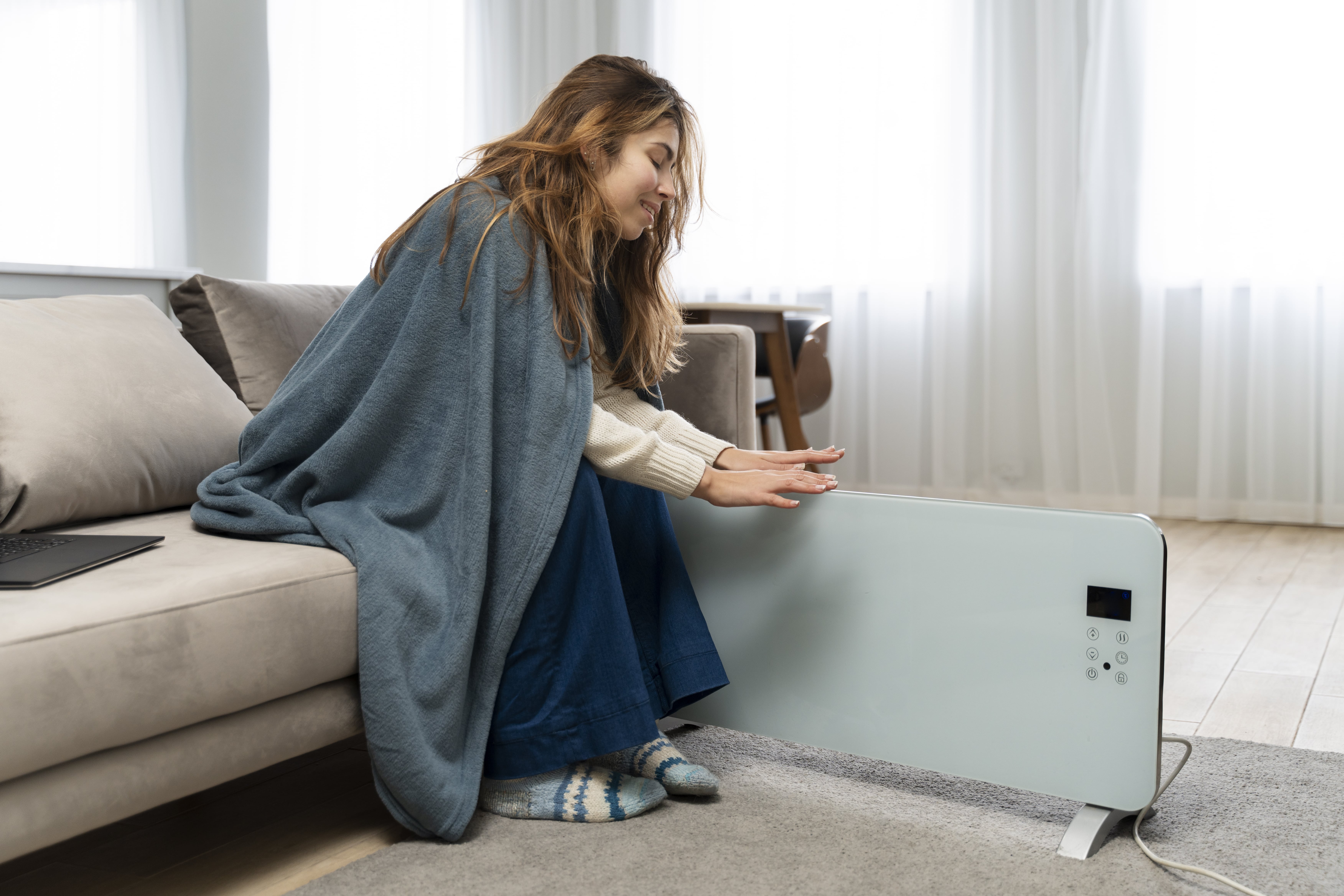
A professional heating tune-up in Mount Prospect protects comfort, lowers winter energy costs, and reduces the risk of breakdowns during the coldest months. With long, cold winters in the Chicago suburbs, furnaces and boilers work harder and longer than in milder climates. A thorough seasonal tune-up identifies safety issues, restores efficiency, and extends equipment life—important for Mount Prospect homes where older systems and tightly scheduled heating seasons make reliability essential.
Common heating problems in Mount Prospect homes
- Uneven heating or cold spots after long winters
- Rising heating bills during peak months
- Furnace short-cycling or frequent on/off cycles
- Weak or reduced airflow from vents
- Noisy startup or unusual furnace sounds
- Intermittent pilot lights or ignition failures
- Worries about carbon monoxide or flue venting, especially in older homes
These issues often trace to simple causes: clogged filters, dirty burners, miscalibrated thermostats, or blocked vents. A comprehensive tune-up diagnoses root causes rather than applying temporary fixes.
What a full heating tune-up includes
A complete tune-up covers mechanical, safety, and efficiency checks so your system returns to reliable service. Typical components inspected and serviced:
- System cleaning
- Remove dust and debris from burners, blower assembly, access panels, and heat exchanger surfaces.
- Clean combustion area and fan housing to restore airflow and combustion efficiency.
- Filter inspection and replacement
- Check filter type and condition; replace or recommend the correct MERV-rated filter for your system.
- Discuss filter replacement frequency suited to your home (pets, allergens, and air quality in Mount Prospect homes affect intervals).
- Thermostat calibration
- Verify thermostat accuracy and operation; recalibrate temperature readings.
- Confirm proper wiring and staging for multi-stage systems.
- Airflow and duct/vent checks
- Inspect blower motor, belts, and bearings; clean blower wheel.
- Check return and supply vents for blockages; examine accessible ductwork for leaks or disconnections that reduce efficiency.
- Combustion and venting checks
- Measure combustion efficiency where applicable and inspect flue piping for corrosion, obstructions, or improper draft.
- Verify safe vent termination outside the home—critical in the winter when snow and ice can obstruct exhaust paths.
- Safety testing
- Test safety devices such as limit switches, pressure switches, rollout switches, and emergency shutoffs.
- Check for carbon monoxide presence and proper venting; inspect heat exchanger for visible cracks or corrosion.
- Efficiency adjustments
- Fine-tune burner settings, ignition timing, and airflow balance to achieve cleaner combustion and lower fuel consumption.
- Verify proper system cycling to reduce short-cycling and wear.
- Documentation and recommendations
- Provide a written summary of findings, repair recommendations, and expected next-service intervals.
- Discuss simple homeowner actions to preserve performance between services.
Diagnostic process — what technicians do and why it matters
A technician follows a logical diagnostic sequence: initial inspection, measurement, cleaning, performance testing, and documentation. Measurements may include temperature splits across the heat exchanger, draft testing, and basic electrical checks. These objective tests show whether the system is operating within manufacturer specifications and identify hidden problems that lead to emergency failures.
This systematic approach matters because quick fixes (like changing a filter without combustion checks) often miss dangerous or efficiency-robbing conditions. In Mount Prospect winters, the cost of an undetected issue can be an emergency repair during subzero weather.
Safety and combustion specifics for Mount Prospect homes
Cold weather increases the importance of combustion and venting checks. Snow, ice, or bird nests can block outside vents. Older homes may have venting that no longer meets current codes or that has settled over time. Safety testing ensures the heat exchanger is intact (preventing dangerous exhaust gases from entering living spaces) and that carbon monoxide alarms are taken seriously.
Technicians will also verify that outdoor vent terminations are clear and the furnace creates proper draft—key to preventing backdrafting of combustion gases when temperatures dip.
Estimated duration and what to expect during the visit
- Most complete heating tune-ups take 60 to 90 minutes for a standard forced-air furnace.
- Older or more complex systems (two-stage furnaces, boilers, or units needing deeper cleaning) can take 90 to 120 minutes.
- Expect the technician to perform visual inspections, run the system through a full heating cycle, record measurements, and leave a written report of findings and recommended next steps.
- Homeowners should ensure easy access to the unit and replaceable filter area; moving lightweight obstructions around the furnace cabinet encourages a faster, safer visit.
Efficiency improvements and measurable benefits
A properly executed tune-up commonly results in:
- Improved heating uniformity and comfort
- Lower energy usage because combustion and airflow are optimized
- Fewer breakdowns and reduced emergency repair risk
- Longer equipment lifespan through reduced stress on components
- Enhanced safety and peace of mind from verified combustion and venting
Exact savings vary by system age and condition, but even modest efficiency gains reduce monthly energy costs during Mount Prospect’s long heating season.
Maintenance schedule and homeowner tips
- Schedule annual tune-ups ahead of peak cold—late summer or early fall is ideal for Mount Prospect homes to ensure readiness.
- Replace or clean filters every 1–3 months depending on usage, pets, and indoor air quality.
- Keep vents and returns clear of furniture and drapes to maintain proper airflow.
- Ensure outdoor vent terminations are visible and free of snow, ice, or debris during winter months.
- Consider enrolling in an annual maintenance program for scheduled service reminders and prioritized seasonal checks; many homeowners find plans improve system reliability.
When a tune-up reveals larger issues
If technicians discover worn parts, major inefficiencies, or heat exchanger problems, they will explain repair options and the implications for safety and cost. Major safety issues—like a cracked heat exchanger—warrant prompt attention to protect occupants. For older systems where repairs are frequent, technicians can outline the tradeoffs between continued repairs and replacement, including expected lifespan and performance differences.
A heating tune-up in Mount Prospect is a practical, safety-focused step to protect your home through cold seasons, reduce operating costs, and keep your system running reliably when you need it most. Regular tune-ups combined with simple homeowner maintenance create the best outcomes for comfort, efficiency, and long-term value.

Customer
Testimonials

Great service Very professional
Air Kings was very friendly from start to finish. Very professional and on time. Always communicated with me to keep me informed. I highly recommend them.
Air Kings is a breath of fresh air when working with HVAC companies. Omar was incredibly helpful and polite, offering quality customer service I’ve never seen before. Very easy to talk with Air Kings, I recommend giving them a call!
Brian was super helpful and walked me through everything super nicely as well
Very satisfied
Great service Very professional
Air Kings was very friendly from start to finish. Very professional and on time. Always communicated with me to keep me informed. I highly recommend them.
Air Kings is a breath of fresh air when working with HVAC companies. Omar was incredibly helpful and polite, offering quality customer service I’ve never seen before. Very easy to talk with Air Kings, I recommend giving them a call!
Omar & team are great HVAC experts! They explain what they are doing and are always professional. Great techs that know what they are doing and reasonable prices.


Service areas