Heating Installation in Round Lake
Round Lake homeowners exploring a new heating system will find a guide to professional installation. The page covers selecting the right equipment - gas furnaces, cold-climate heat pumps, and boilers - based on load calculations and home priorities, and explains the step-by-step installation process, from planning and permits to ductwork, venting, electrical, and thermostat integration. It also outlines post-install commissioning, warranty details, financing options, and long-term maintenance to optimize comfort, efficiency, and system longevity. Practical tips help homeowners prepare, compare quotes, and plan for upgrades.
Heating Installation in Round Lake
A properly sized, professionally installed heating system keeps your Round Lake home comfortable through cold winters while controlling energy costs and reducing breakdowns. Whether you are replacing an aging furnace, switching to a heat pump, or installing a new boiler for hydronic heat, the installation process matters as much as the equipment choice. This page explains the full new heating system installation process in Round Lake, common system types and issues, what to expect during installation, homeowner preparation, warranty considerations, and financing options.
Why a correct heating installation matters in Round Lake
Round Lake experiences cold winters with sustained below freezing periods and occasional heavy snow. Those conditions increase heating demand and expose undersized or poorly installed systems to premature failure and higher utility bills. A proper installation:
- Ensures the system meets the home specific heating load
- Improves efficiency and reduces fuel bills
- Extends equipment life and preserves warranty coverage
- Reduces uneven heating and comfort complaints in older or drafty homes
Common heating system types for Round Lake homes
Choosing the right equipment depends on your home design, insulation, fuel availability, and comfort priorities. Common options include:
- Gas furnaces: High efficiency (AFUE-rated) gas furnaces are common in Round Lake and deliver reliable heat during extreme cold. Look for properly sized units with modulating burners or variable-speed blowers for the best comfort.
- Heat pumps: Modern cold-climate air-source heat pumps and dual-fuel systems can provide efficient heating and cooling, even in cold climates. Paired with backup gas heat, they offer strong year-round efficiency.
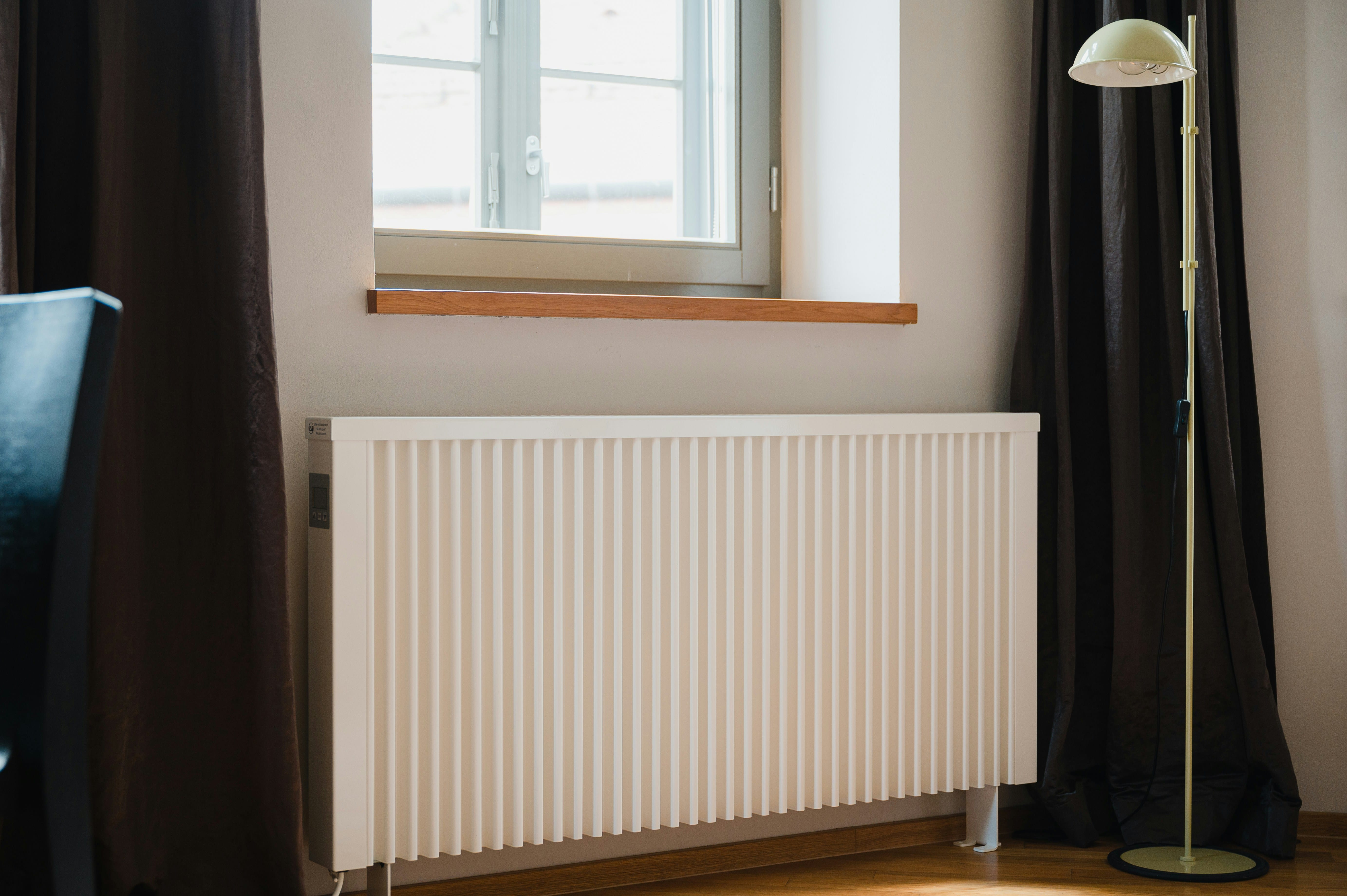
- Boilers: Hydronic boilers provide even, quiet heat through radiators or in-floor radiant systems. Boilers remain a preferred option for older homes with existing piping or where zoned radiant comfort is desired.
Common heating installation issues in Round Lake
Homeowners in the area often encounter:
- Oversized or undersized equipment due to missing load calculations
- Poorly sealed or leaky duct systems leading to heat loss
- Incorrect refrigerant charge or airflow problems on heat pumps
- Combustion safety and venting issues on older gas furnaces or boilers
- Incompatible or poorly placed thermostats that cause short cycling
Initial home assessment and load calculation
A careful assessment starts the installation right. Typical steps include:
- Visual inspection of the existing HVAC system, ductwork, and combustion venting
- Manual J load calculation to determine required heating capacity based on square footage, insulation levels, window types, orientation, and local climate data
- Ductwork evaluation (Manual D) and airflow measurements to identify leaks, undersized runs, or restriction
- Fuel and electrical service checks to confirm supply capacity and safety
A proper Manual J is critical. It prevents oversizing, which causes short cycling and humidity issues, and avoids undersizing, which leaves your home cold during Round Lake winters.
Recommended equipment selection
Equipment recommendations are based on the load calculation and homeowner priorities:
- For maximum heat output during cold snaps: high-AFUE gas furnaces with variable-speed blowers
- For energy savings and combined heating/cooling: cold-climate heat pumps or dual-fuel systems
- For even radiant heat or multi-story homes: condensing boilers with modern controls
- Consider variable-capacity units and zoned controls for improved comfort and efficiency
Professional installation steps
A quality installation follows a clear, documented process:
- Pre-install planning and permit acquisition as required by local codes
- Removal and safe disposal of old equipment, including proper handling of refrigerant and fuels
- Mechanical installation: precise placement, secure connections, correct venting, and gas piping or refrigerant linework
- Ductwork work or modifications: sealing, insulation, and balancing to deliver proper airflow to every room
- Electrical connections and control wiring, including breakers sized to code
- Thermostat and control integration, including zoning if applicable
Each step focuses on safety, compliance with codes, and achieving the performance the load calculation specifies.
Thermostat and control integration
Modern controls improve comfort and reduce operating costs. Options and best practices:
- Smart thermostats with adaptive scheduling and remote access for better comfort control
- Zoning systems with multiple thermostats and dampers to eliminate hot and cold spots in multi-story homes
- Dual-fuel control logic for heat pump plus furnace systems to switch to the most efficient heat source automatically
- Integration with humidification or ventilation systems to maintain indoor air quality during long, dry winters
Proper placement and wiring of thermostats ensures accurate temperature sensing and system responsiveness.
Post-installation testing and commissioning
Thorough testing confirms the system performs to specification:
- Combustion analysis and safety checks on gas appliances, including venting and CO testing
- Airflow and static pressure checks on furnaces and air handlers
- Refrigerant charge verification and superheat/subcooling measurements for heat pumps
- Boiler pressure, pump operation, and temperature balancing for hydronic systems
- Duct leakage test and room-by-room temperature verification
- System startup procedures and control calibration, including verifying thermostat set points and schedules
Documentation of the commissioning tests is essential for warranty validation and future service.
Homeowner preparation and what to expect
Before install day:
- Clear access to equipment and work areas, including attic access and basements
- Plan for temporary interruptions to heat and utilities during equipment swap
- Secure pets and remove valuables near work zones
- Review equipment specs, warranty paperwork, and post-install care instructions
On completion, expect a walkthrough covering operation, maintenance tips, and safety features.
Warranty coverage and what it means
Typical warranty elements to review:
- Manufacturer parts warranties that may range from a few to ten years for major components
- Labor warranties that vary by installer; check what is included and the duration
- Warranty conditions such as required regular maintenance and professional service for coverage to remain valid
- Extended parts or labor plans available for purchase to add longer-term protection
Keep installation and maintenance records in case of claims.
Financing and affordability options
Many homeowners use financing to make upgraded, high-efficiency systems affordable. Typical options include:
- Low-interest or fixed-payment home improvement loans
- Monthly payment plans through third-party lenders
- Utility or manufacturer rebate eligibility tied to equipment efficiency or installation practicesReview terms carefully to understand interest rates, repayment period, and any required down payment.
Long-term benefits and maintenance advice
A correctly installed heating system delivers:
- More consistent comfort during Round Lake winters
- Lower energy bills and fewer emergency repairs
- Longer equipment life and preserved manufacturer warranties
Recommended maintenance:
- Annual combustion appliance and safety inspection for gas systems
- Seasonal filter replacement and airflow checks
- Annual tune-up for heat pumps and boilers to maintain efficiency
Proper maintenance maintains performance, ensures safety, and protects warranty coverage for years to come.

Customer
Testimonials

Great service Very professional
Air Kings was very friendly from start to finish. Very professional and on time. Always communicated with me to keep me informed. I highly recommend them.
Air Kings is a breath of fresh air when working with HVAC companies. Omar was incredibly helpful and polite, offering quality customer service I’ve never seen before. Very easy to talk with Air Kings, I recommend giving them a call!
Brian was super helpful and walked me through everything super nicely as well
Very satisfied
Great service Very professional
Air Kings was very friendly from start to finish. Very professional and on time. Always communicated with me to keep me informed. I highly recommend them.
Air Kings is a breath of fresh air when working with HVAC companies. Omar was incredibly helpful and polite, offering quality customer service I’ve never seen before. Very easy to talk with Air Kings, I recommend giving them a call!
Omar & team are great HVAC experts! They explain what they are doing and are always professional. Great techs that know what they are doing and reasonable prices.


Service areas