Mini Split Heating Repair in Riverwoods
Mini split heating repair in Riverwoods is explained through common failure modes, methodical diagnostics, and practical repair options. The page covers typical symptoms such as insufficient heat, defrost issues, reversing valve faults, and low ambient performance, then outlines step-by-step diagnostic procedures, including visual checks, performance verification, refrigerant testing, and electrical measurements. It also compares repair versus replacement, outlines expected timelines, safety and efficiency checks, emergency support, and preventive tips to extend system life and protect comfort during cold Riverwoods winters.

Mini Split Heating Repair in Riverwoods
Mini split heat pumps are a common choice for Riverwoods homes because they deliver quiet, zoned heating and cooling with strong energy efficiency. When the heating function falters during our cold Illinois winters, discomfort and higher energy bills follow quickly. This page explains common mini split heating issues in Riverwoods, how technicians diagnose and repair them, expected timelines, and the safety and efficiency checks performed after service.
Common mini split heating issues in Riverwoods
Riverwoods winters and fluctuating temperatures can expose weaknesses in heat pump systems. The most frequent heating problems include:
- Insufficient heat output
Symptoms: system runs but indoor temperature remains low. Causes include low refrigerant, compressor wear, blocked airflow, faulty thermostats, or failing reversing valves. - Defrost cycle problems and outdoor unit icing
Symptoms: outdoor unit iced over, unit runs but heating stops. In cold, humid conditions, defective defrost sensors, control boards, or repeated short cycling can prevent proper defrosting. - Reversing valve malfunctions
Symptoms: unit stays in cooling mode or flips intermittently. The reversing valve controls heating vs cooling; when it sticks or the actuator fails, heating performance drops. - Low ambient performance
Symptoms: unit struggles when outdoor temps are near or below freezing. Older units or those without a low-ambient kit may lose capacity in subfreezing conditions. - Electrical and component failures
Symptoms: tripped breakers, clicking noises, failure to start. Faulty capacitors, relays, fan motors, or control boards can interrupt heating completely. - Airflow and indoor unit issues
Symptoms: weak airflow, hot/cold spots. Clogged filters, blower motor issues, or obstructed indoor units reduce effective heat delivery.
How technicians diagnose mini split heating issues
A methodical diagnostic approach prevents unnecessary parts replacement and finds the root cause quickly:
- Visual and code inspection
Check indoor and outdoor units for ice, debris, and visible damage. Read system error codes on the controller or main PCB. - Operational verification
Run the system in heating mode while monitoring indoor and outdoor behavior, sounds, and airflow. - Temperature and airflow measurements
Measure supply and return air temps, temperature rise, and airflow across the indoor coil. - Refrigerant pressure and leak testing
Attach gauges to check system pressures and use leak detection to identify refrigerant loss. - Electrical testing
Test capacitors, contactors, fan motors, and control voltages for continuity and proper operation. - Defrost cycle and sensor checks
Observe defrost timing and test outdoor temperature and coil sensors for accurate reading. - Component function checks
Verify reversing valve shifting, compressor current draw, and thermostat control/communication.
A thorough diagnostic typically isolates whether the issue is mechanical, electrical, refrigerant-related, or due to environmental factors common in Riverwoods.
Repair options and parts replacement
Repair choices depend on diagnosis, unit age, and homeowner priorities such as longevity versus quick fixes. Typical repairs include:
- Refrigerant leak repair and recharge
Locate and repair leaks, evacuate, and recharge to proper charge. Necessary when low charge reduces heating capacity. - Reversing valve replacement or actuator service
Replace or service the valve or its actuator when it fails to shift properly. - Defrost sensor and control board replacement
Replace faulty sensors or boards to restore correct defrost cycles and prevent icing. - Compressor repair or replacement
In cases of compressor failure, replacement may be required. Compressor work is more involved and needs professional handling. - Capacitor, contactor, or fan motor replacement
Restore reliable start-up and fan function with these common component replacements. - Indoor blower or control module replacement
Address weak airflow or communication errors by servicing or replacing indoor components. - Install low-ambient upgrade or crankcase heater
Improve cold-weather performance with low-ambient kits or crankcase heaters on units not originally equipped for Riverwoods winter extremes.
Technicians will recommend repair versus replacement based on safety, parts availability, system efficiency, and expected remaining service life. Wherever possible, repairs are combined with efficiency checks to prevent repeat breakdowns.
Expected repair timelines
Timelines vary by complexity and parts availability:
- Diagnostic visit: typically 1 to 2 hours on site to identify the issue.
- Simple repairs (sensor replacement, capacitor, filter, clearing ice): often completed same day.
- Component replacements (fan motor, reversing valve actuator, control board): usually completed within 1 to 2 days depending on part delivery.
- Major repairs (compressor replacement or refrigerant circuit overhaul): can take 1 to 3 days due to equipment, evacuation, and testing requirements.
Technicians in Riverwoods consider winter weather and local parts supply when estimating completion windows.
Safety and efficiency checks after repair
After any repair, technicians perform comprehensive checks to confirm safe and efficient operation:
- Verify all safety circuits and high/low pressure protections
- Confirm correct refrigerant charge and stable operating pressures
- Test defrost cycles and outdoor unit performance in low temps
- Measure airflow and indoor temperature rise
- Inspect electrical connections and measure amperage draw
- Calibrate thermostats and controllers
- Ensure condensate drains are clear and line set insulation is intact
These checks reduce the chance of repeat failures and restore system efficiency, which matters in Riverwoods where cold snaps are common.
Emergency heating support in Riverwoods
When a main heat source fails during extreme cold, immediate solutions protect comfort and safety:
- Temporary system isolation to prevent electrical hazards
- Diagnostics prioritized to identify life safety issues
- Short-term safe heating alternatives and guidance on safe indoor temperatures
- Fast diagnosis to restore partial or full operation until permanent repairs are completed
Emergency service protocols focus on safety first, stabilizing the home environment, and minimizing further damage to the mini split system.
Preventive tips for Riverwoods homeowners
Regular maintenance reduces winter failures and prolongs system life:
- Schedule a pre-winter inspection and tune-up each fall
- Keep outdoor units clear of snow, ice, and debris
- Replace filters regularly and keep indoor units unobstructed
- Consider low-ambient kits for older units in consistently cold exposures
- Insulate refrigerant lines and ensure proper drainage to prevent freezing
- Monitor for early warning signs: longer run times, unusual noises, or reduced heat
Prompt attention to small issues prevents larger repairs during the coldest months.
Prompt, expert mini split heating repair in Riverwoods restores comfort, improves energy efficiency, and extends equipment life. Understanding common failure modes, diagnostic steps, and standard repair approaches helps homeowners make informed decisions about their heating system when winter arrives.

Customer
Testimonials

Great service Very professional
Air Kings was very friendly from start to finish. Very professional and on time. Always communicated with me to keep me informed. I highly recommend them.
Air Kings is a breath of fresh air when working with HVAC companies. Omar was incredibly helpful and polite, offering quality customer service I’ve never seen before. Very easy to talk with Air Kings, I recommend giving them a call!
Brian was super helpful and walked me through everything super nicely as well
Very satisfied
Great service Very professional
Air Kings was very friendly from start to finish. Very professional and on time. Always communicated with me to keep me informed. I highly recommend them.
Air Kings is a breath of fresh air when working with HVAC companies. Omar was incredibly helpful and polite, offering quality customer service I’ve never seen before. Very easy to talk with Air Kings, I recommend giving them a call!
Omar & team are great HVAC experts! They explain what they are doing and are always professional. Great techs that know what they are doing and reasonable prices.


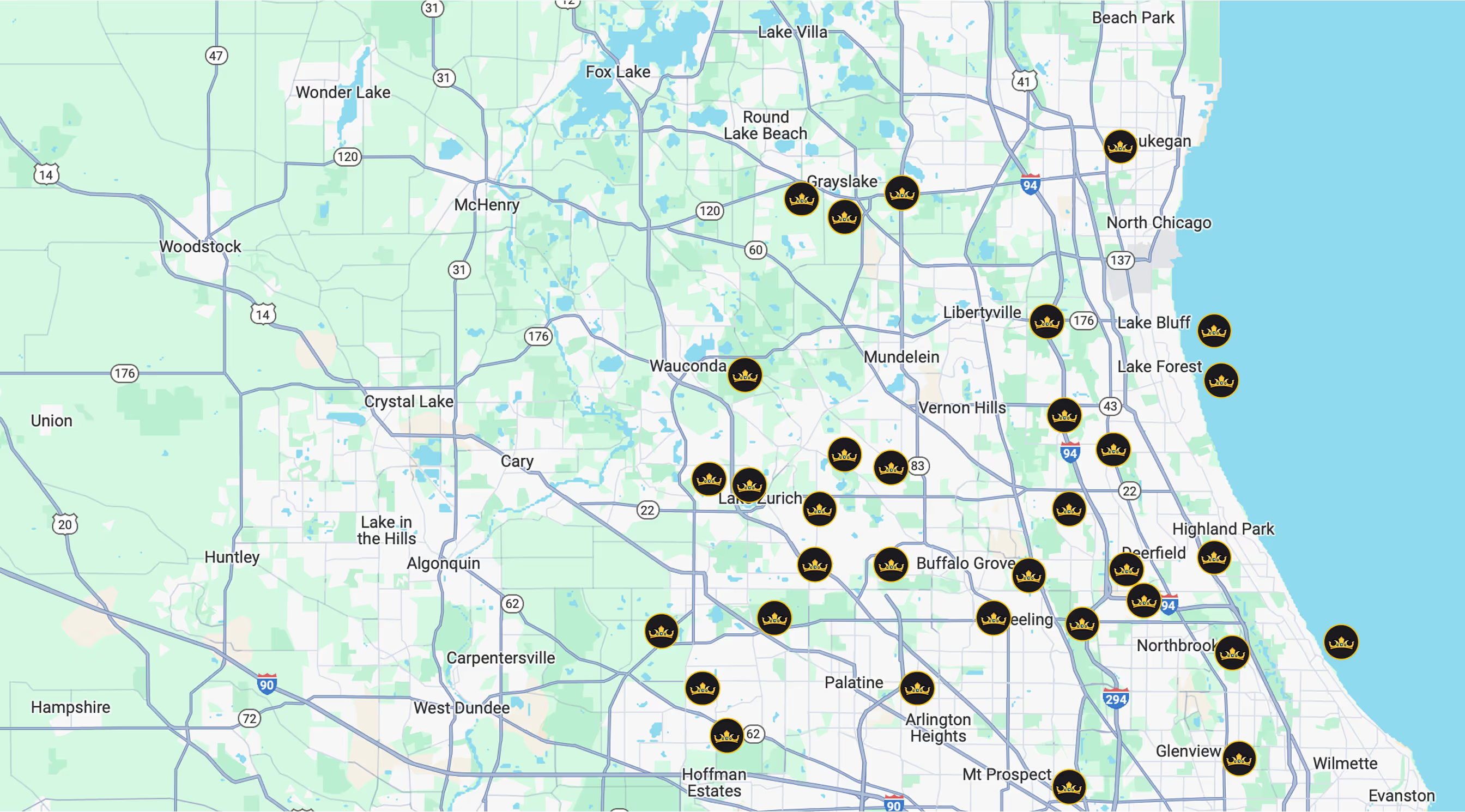
Service areas