Mini Split AC Repair in Riverwoods
This page presents a comprehensive overview of mini split AC repair in Riverwoods, outlining common failures, diagnostic steps, and practical repair options for ductless systems. It covers on-site inspection workflows, refrigerant and electrical tests, and parts replacement strategies, with emphasis on timely troubleshooting, OEM parts, and performance verification after service. It also explains typical timelines and cost drivers, emergency response, warranty details, scheduling guidance, and preventive maintenance tips to reduce future breakdowns and extend system life in hot, humid Riverwoods conditions.

Mini Split AC Repair in Riverwoods
Mini split air conditioners are a common choice in Riverwoods homes for targeted cooling, room additions, and ductless installations. When a wall-mounted or ceiling cassette unit stops cooling or shows electrical faults, the disruption is immediate. This page explains how professional mini split AC repair in Riverwoods works, what problems are most common, typical diagnostic and repair steps, expected timelines, parts and warranty considerations, emergency response, and practical tips to reduce repeat breakdowns.
Why timely mini split repair matters in Riverwoods
Riverwoods experiences hot, humid summers that put sustained load on mini split systems. High seasonal use increases the chance of refrigerant leaks, compressor strain, and moisture-related issues. Left unaddressed, small electrical or refrigerant problems can escalate into compressor failure or frozen coils, leading to more costly repairs and longer outages. Prompt diagnosis restores comfort, avoids secondary damage, and preserves system efficiency.
Common mini split issues in Riverwoods homes
- Loss of cooling: Unit runs but air is not cold. Causes include low refrigerant, dirty coils, failed metering devices, or compressor problems.
- Refrigerant leaks: Visible oil spots, reduced cooling capacity, or pressure imbalance on gauges. Leaks often occur at fittings, valves, or line-set corrosion.
- Compressor or fan motor failure: Humming, intermittent operation, or no outdoor unit activity point to motor, start capacitor, or compressor electrical faults.
- Electrical and control problems: Faulty PCBs, bad thermostats, loose wiring, or tripped breakers cause erratic behavior, error codes, or complete shutdowns.
- Drainage and condensate issues: Clogged drain lines or failed condensate pumps create water leaks, mildew, or indoor unit drip.
- Defrost and heating mode problems: In colder months when units provide heat, stuck reversing valves or failed sensors can reduce heating performance.
On-site inspection and diagnostic testing
A thorough diagnostic follows a structured process to isolate the fault quickly and accurately:
- Visual inspection of indoor and outdoor units for physical damage, oil stains, blocked airflow, and corrosion.
- System operation check while running: confirming modes, fan speeds, and error codes shown on display or service LED.
- Refrigerant pressure testing with gauges to compare high and low side readings against expected values for current outdoor temperature.
- Leak detection using electronic leak detectors or UV dye when necessary to locate pinhole leaks along line sets and fittings.
- Electrical testing of capacitors, contactors, relays, and control boards with multimeters to identify shorts, open circuits, or voltage issues.
- Airflow and coil assessment, including filter condition, evaporator coil inspection, and verifying clear outdoor coil airflow.
- Drain line evaluation to clear blockages and test condensate removal.
Technicians in Riverwoods will also account for local conditions such as pollen, lake-effect humidity, and seasonal temperature swings when interpreting test results.
Typical repair solutions and parts replacement
Repairs are tailored to the diagnosed fault. Common solutions include:
- Refrigerant leak repair and recharge: Repair or replace damaged line sections or fittings, pressure-test the repair, and recharge to manufacturer-specified charge.
- Compressor servicing or replacement: Replacing a failed compressor is a major repair that may require recovery of refrigerant, replacing drier/accumulator, and vacuum and recharge to spec.
- Fan motor or capacitor replacement: Quick on-site swaps for failed motors or weak start capacitors that restore operation.
- Control board or thermostat replacement: Swap faulty electronics and reprogram settings; verify compatibility with the outdoor unit.
- Expansion device or valve replacement: Replace electronic expansion valves or thermostatic devices to restore proper refrigerant metering.
- Drain and condensate pump repair: Clear lines, replace pumps, and treat for mold to stop leaks and odors.
- Line-set repair or insulation replacement: Repair corroded lines and restore proper insulation to prevent efficiency loss and freeze issues.
When parts are required, technicians typically prioritize OEM components for compatibility and longevity. After repairs, systems are tested under load to confirm restored cooling and efficiency.
Estimated repair timelines and pricing drivers
Typical repair timelines vary by complexity:
- Minor repairs such as fan motor replacement, capacitor swap, or drain clearing: often completed within a few hours during a single visit.
- Refrigerant leak repairs: can take several hours to locate and fix; may require follow-up after pressure testing.
- Major repairs like compressor replacement or major line-set work: can take one to two days depending on parts availability and access.
Cost is driven by several factors rather than fixed upfront numbers:
- Type and brand of the mini split
- Whether OEM parts are required
- Extent of refrigerant recovery and replacement needed
- Accessibility of indoor and outdoor units and complexity of line-set routing
- Whether the unit requires evacuation and vacuum procedures for major repairs
Technicians typically explain repair options and tradeoffs so owners can weigh quick fixes versus long-term solutions.
Emergency and after-hours response
Mini split failures during peak summer days or overnight can be urgent. Local service providers in Riverwoods often offer emergency or after-hours response for situations like total system failure, major refrigerant leaks, or water damage from condensate overflow. Response times and availability vary by provider; emergency calls typically receive priority triage and on-site assessment.
Warranty and parts information
- Manufacturer warranties: Many brands provide limited part warranties ranging from one to several years, and some compressors have extended coverage when registered. Warranty coverage depends on original purchase, registration, and approved service procedures.
- Aftermarket and workmanship warranties: Professional repairs commonly include limited warranties on parts installed and labor for a defined period. Confirm scope and duration when reviewing repair options.
- Documentation: Having the unit model and serial number available helps verify warranty status and ensures correct replacement parts are sourced.
How scheduling and service calls are typically handled in Riverwoods
When arranging service, technicians or dispatch systems generally ask for:
- Unit make, model, and serial number if available
- A clear description of symptoms and any error codes displayed
- When the problem began and whether it is intermittent or continuous
- Accessible photos of indoor and outdoor units when possible
- Preferred appointment windows and any access instructions for the property
Providing this information upfront helps technicians bring the right tools and parts and can reduce total time to restore service.
Preventive tips to avoid future breakdowns
- Change or clean indoor filters every 1 to 3 months during heavy use seasons.
- Keep outdoor units free of leaves, grass clippings, and snow; maintain 2 to 3 feet of clear space for airflow.
- Schedule annual maintenance visits in spring for cooling preparation and fall for heating mode checks.
- Insulate exposed line sets and check for damage after winter freeze-thaw cycles.
- Run system in fan mode occasionally during shoulder seasons to keep moving parts and controls exercised.
Timely maintenance in Riverwoods limits humidity-related coil fouling and reduces refrigerant leaks from stressed fittings.
ConclusionAddressing mini split issues early preserves comfort, reduces long-term cost, and prolongs system life in Riverwoods homes where seasonal demand is high. A structured diagnostic, transparent repair options, attention to warranty status, and seasonal maintenance create the most reliable outcome for ductless mini split systems.

Customer
Testimonials

Great service Very professional
Air Kings was very friendly from start to finish. Very professional and on time. Always communicated with me to keep me informed. I highly recommend them.
Air Kings is a breath of fresh air when working with HVAC companies. Omar was incredibly helpful and polite, offering quality customer service I’ve never seen before. Very easy to talk with Air Kings, I recommend giving them a call!
Brian was super helpful and walked me through everything super nicely as well
Very satisfied
Great service Very professional
Air Kings was very friendly from start to finish. Very professional and on time. Always communicated with me to keep me informed. I highly recommend them.
Air Kings is a breath of fresh air when working with HVAC companies. Omar was incredibly helpful and polite, offering quality customer service I’ve never seen before. Very easy to talk with Air Kings, I recommend giving them a call!
Omar & team are great HVAC experts! They explain what they are doing and are always professional. Great techs that know what they are doing and reasonable prices.


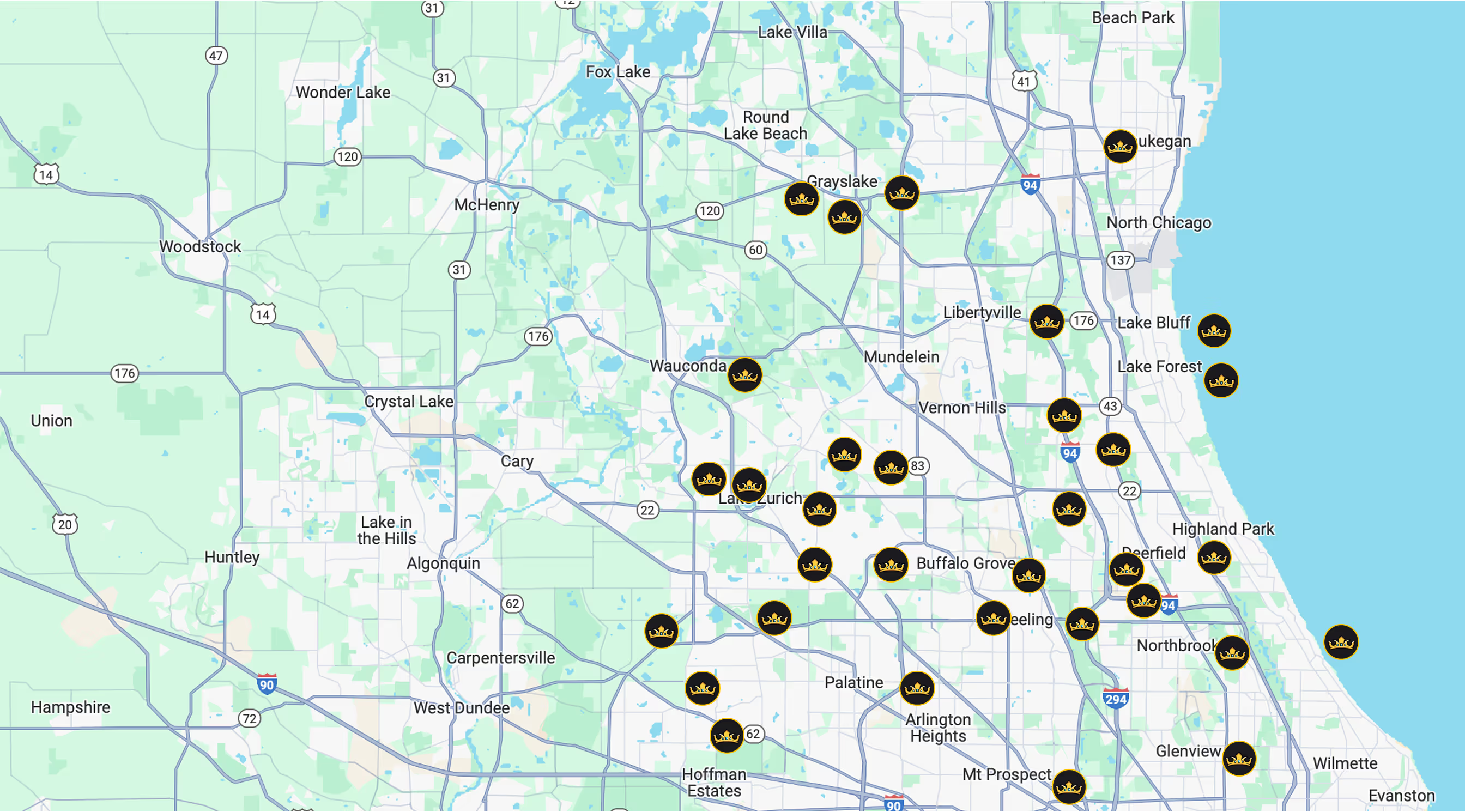
Service areas