Whole House Dehumidifiers in Mettawa
Whole-house dehumidifier guidance for Mettawa explains centralized humidity control, improving comfort, protecting belongings, and boosting HVAC efficiency. It outlines signs of excessive moisture, guidance on selecting capacity, installation options, drainage, and energy considerations. Readers will learn how proper sizing, strategic placement, and regular maintenance reduce condensation, mold risk, and allergy symptoms, while delivering steady RH around 40–50% for healthier indoor air and long-term home performance. The guide emphasizes installation, drainage, and financing considerations for Mettawa homeowners.

Whole House Dehumidifiers in Mettawa
High indoor humidity is a common and often overlooked problem in Mettawa homes. Warm, humid summers, combined with basements and lake-effect moisture, create the perfect conditions for mold growth, musty odors, damaged belongings, and reduced comfort. A properly sized whole house dehumidifier gives reliable, centralized control over indoor humidity, protects your home and possessions, and can improve HVAC performance and indoor air quality.
Why whole-home humidity control matters in Mettawa
- Mold and mildew prevention: Basements, crawlspaces, and poorly ventilated bathrooms are especially vulnerable in Mettawa’s humid months. Keeping relative humidity (RH) in the 40–50% range dramatically reduces mold risk.
- Comfort and health: Lowering indoor humidity reduces that sticky, oppressive feeling in summer and limits allergens like dust mites and mold spores that thrive in damp environments.
- Protecting finishes and belongings: High humidity warps wood floors and furniture, peels paint, and corrodes electronics. Whole-house control preserves finishes and stored items in closets and basements.
- HVAC efficiency: A dehumidified home feels cooler at higher thermostat settings, which can reduce air-conditioning runtime and energy use.
Common whole-house dehumidifier issues in Mettawa and what to look for
Signs you need whole-home dehumidification include:
- Condensation on windows or basement walls
- Persistent musty odors or visible mold spots
- Frequent allergy symptoms indoors that ease away from home
- Warped wood floors, swollen doors, or peeling wallpaper
- Excessive mold on stored clothing or boxes in the basement
Because Mettawa homes vary from newer construction to older properties with stone foundations, moisture sources differ. A thorough moisture assessment identifies whether the home needs targeted solutions (crawlspace encapsulation, sump pump repairs) in addition to a whole-house unit.
Choosing the right capacity: size, moisture sources, and placement
Selecting the correct dehumidifier capacity is critical for effectiveness and energy efficiency. Capacity depends on:
- Home square footage and ceiling height
- Basement or crawlspace presence and condition
- Number of occupants and typical indoor activities (cooking, indoor plants, showers)
- Local climate patterns and seasonal humidity spikes
General guidance:
- Measure current indoor RH with a hygrometer. A whole-house system should maintain target RH of about 45%.
- Expect higher capacity needs if the basement is damp, if the house has many occupants, or if there are additional moisture sources (pool, frequent laundry, etc.).
- Units are often rated in pints per day removed; professionals match that rating to the home’s moisture load and HVAC system.
Installation and HVAC integration
Whole-house dehumidifiers are typically installed inline with your HVAC system or near the air handler. Typical installation options:
- Duct-mounted units: Installed directly into the return or supply ductwork to treat all circulated air.
- Bypass models: Use the air handler fan to move air through the dehumidifier and back to the system.
- Dedicated units: Standalone systems that serve the whole home via their own ducting.
Key installation considerations:
- Placement near the furnace or air handler minimizes ductwork changes and simplifies controls.
- Integration with the thermostat or a dedicated humidistat provides automatic control and efficient operation.
- Proper airflows and return/exhaust paths ensure the unit cycles correctly and removes moisture evenly from the home.
Drainage and energy-efficiency considerations
Drainage options:
- Gravity drain: Preferred when the unit can discharge to a nearby floor drain or sump basin at a lower elevation.
- Condensate pump: Required when gravity drainage is not possible; pumps move condensate to a higher discharge point.
- Hard-piped PVC lines with proper slope reduce risk of clogs and buildup.
Energy-efficiency factors:
- Look for units with variable-speed compressors or fans for more efficient, quieter operation and better humidity control.
- Efficient integration with your HVAC system reduces redundant run time—dehumidifiers that work with the air handler only when needed use less energy overall.
- Regular maintenance and proper sizing prevent excessive runtime and energy waste.
Maintenance and filter care
Routine upkeep keeps performance reliable and extends equipment life:
- Clean or replace the unit’s air filter every 1–3 months, depending on dust loads.
- Inspect and flush drain lines seasonally to prevent clogs and backups.
- Check the condensate pump (if present) yearly; test float switches and replace worn components.
- Annual professional service should include coil cleaning, refrigerant checks, airflow verification, and control calibration.
Simple homeowner checks between services:
- Monitor indoor RH with a hygrometer.
- Look for signs of standing water near drains or pumps.
- Note unusual noises or cycling patterns that may indicate airflow or compressor issues.
Expected outcomes and timelines
After proper installation and commissioning you can expect:
- Noticeable reduction in stickiness and musty odors within hours to days.
- Stabilized RH to target levels (around 40–50%) within a few days to a week, depending on initial moisture loads.
- Reduced visible condensation, slowed mold growth, and improved comfort over the next several weeks as the home dries out.
- Energy savings may appear over one or more cooling seasons as the air conditioner cycles less aggressively at higher thermostat setpoints.
Keep in mind seasonal variations: in winter, indoor humidity targets may be lower to prevent condensation on cold surfaces. A whole-house dehumidifier provides control when outdoor humidity and indoor moisture sources push levels too high.
Cost and financing considerations for Mettawa homeowners
Cost factors include unit capacity, installation complexity, required duct modifications, and whether a condensate pump or drainage work is needed. Homes with extensive basement moisture control needs may require additional mitigation before dehumidifier sizing is finalized.
Financing options commonly available in the market:
- Low-interest installment plans that spread equipment and installation costs over time
- Seasonal or energy-efficiency incentives and rebates through local utilities or programs that sometimes apply
- Bundled financing when paired with other HVAC upgrades
When evaluating options, consider long-term savings from reduced HVAC runtime, avoided mold remediation, and preservation of home value.
Summary: lasting benefits for Mettawa homes
A properly selected and installed whole house dehumidifier brings measurable improvements to comfort, health, and the longevity of your home in Mettawa’s humid climate. By matching capacity to your home’s size and moisture sources, integrating the unit with your HVAC system, planning reliable drainage, and maintaining the equipment regularly, you can expect stable indoor humidity, less mold risk, and better overall indoor air quality. Regular monitoring and seasonal maintenance ensure the system continues to protect your home year after year.

Customer
Testimonials

Great service Very professional
Air Kings was very friendly from start to finish. Very professional and on time. Always communicated with me to keep me informed. I highly recommend them.
Air Kings is a breath of fresh air when working with HVAC companies. Omar was incredibly helpful and polite, offering quality customer service I’ve never seen before. Very easy to talk with Air Kings, I recommend giving them a call!
Brian was super helpful and walked me through everything super nicely as well
Very satisfied
Great service Very professional
Air Kings was very friendly from start to finish. Very professional and on time. Always communicated with me to keep me informed. I highly recommend them.
Air Kings is a breath of fresh air when working with HVAC companies. Omar was incredibly helpful and polite, offering quality customer service I’ve never seen before. Very easy to talk with Air Kings, I recommend giving them a call!
Omar & team are great HVAC experts! They explain what they are doing and are always professional. Great techs that know what they are doing and reasonable prices.


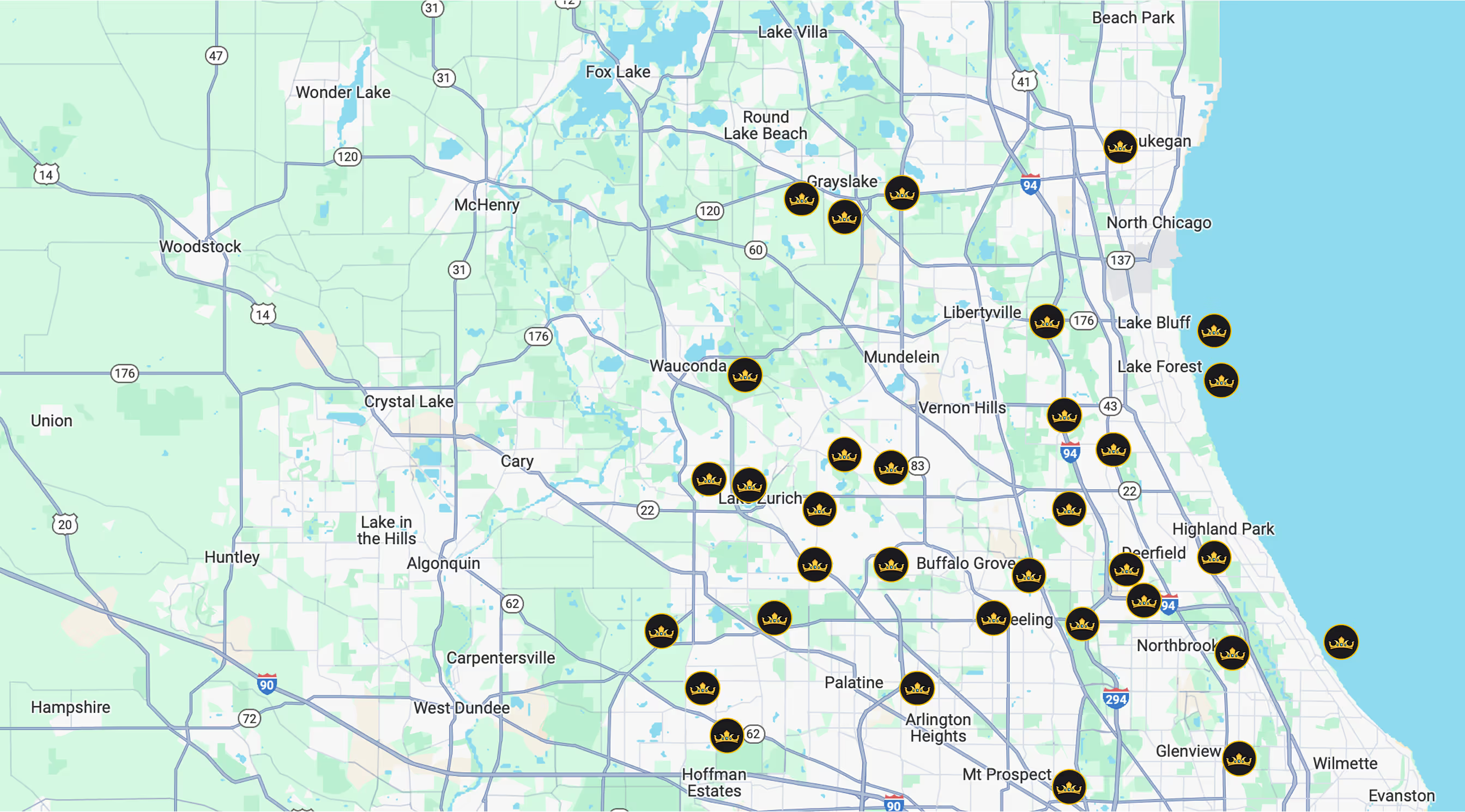
Service areas