Heating Tune-up in Prospect Heights
Prospect Heights homeowners benefit from a comprehensive heating tune-up designed to prevent emergencies, improve efficiency, and extend equipment life. The service addresses local stress points such as older boilers, tight spaces, and heavy winter cycling, with safety checks, combustion analysis, duct assessments, and calibration of thermostats. A typical tune-up covers inspection, cleaning, filter guidance, lubrication, and performance testing, followed by a written report with recommendations. Regular, annual maintenance reduces breakdown risk, lowers energy costs, and ensures reliable warmth through the season.
Heating Tune-up in Prospect Heights
Keeping your heating system tuned and tested before the cold season is one of the most effective ways to avoid emergency breakdowns, lower energy costs, and extend the life of your equipment. For Prospect Heights homes—where older brownstones and modern condos coexist and winters are cold and variable—a comprehensive heating tune-up addresses the unique stresses local systems face and ensures reliable, safe warmth throughout the season.
Why a heating tune-up matters in Prospect Heights
- Prospect Heights winters bring prolonged cold and frequent system run-times, which exposes underlying issues that can lead to failure at the worst moment.
- Many neighborhood homes have older boilers, hydronic systems, or aging furnaces that benefit most from preventive care.
- Urban installations often face limited ventilation, tight mechanical closets, and heavy cycling that can accelerate wear. A tune-up targets these stress points to maintain performance and safety.
Common heating problems in Prospect Heights homes
- Uneven heating across rooms — often caused by trapped air in radiators, unbalanced ducts, or thermostat placement.
- Rising energy bills despite normal use — dirty burners, clogged filters, or inefficient combustion reduce efficiency.
- Frequent cycling or short cycling — a sign of improper airflow, oversized equipment, or control issues.
- Noisy operation — rattles, banging, or screeching can indicate loose components, failing blower motors, or sediment in boilers.
- Yellow pilot flame or soot near the burner — possible incomplete combustion and a safety concern.
- Water leaks or pressure swings in hydronic systems — can signal failing valves, corroded pipes, or expansion tank problems.
- Carbon monoxide or venting concerns — blocked flues or poor combustion requires immediate attention for occupant safety.
What a thorough heating tune-up includes
A comprehensive tune-up targets safety, efficiency, and reliability. Typical tasks performed during a professional tune-up include:
- Safety checks and combustion testing — verify combustion efficiency and check for carbon monoxide or improper venting.
- Visual and operational inspection — examine heat exchanger, burner assembly, pilot or ignition system, flue and venting, valves, and visible piping or ducts.
- Cleaning — remove dust, soot, and debris from burners, heat exchanger surfaces, blower blades, and accessible duct inlets to restore proper airflow and combustion.
- Filter inspection and replacement guidance — assess filter condition and recommend the correct type and replacement frequency for your home.
- Thermostat calibration and control check — ensure the thermostat reads accurately and that controls engage and cycle properly.
- Electrical and mechanical checks — test safety controls, limit switches, capacitors, motors, belts, and wiring for wear or failure.
- System performance testing and efficiency evaluation — measure temperature differentials, static pressures, and run characteristics to identify inefficiencies.
- Lubrication and adjustments — lubricate moving parts and tighten or adjust components to reduce noise and wear.
- Duct and airflow assessment — check for blockages, disconnected runs, or restrictive vent registers that reduce system performance.
- Written assessment and recommendations — a clear summary of findings, priority repairs, and long-term maintenance suggestions.
The diagnostic and service process (what happens during a tune-up)
- Initial inspection — technician examines the visible components, asks about recent performance, and notes any safety concerns.
- System start-up and baseline testing — system is run through a cycle to observe behavior under load and gather operational data.
- Cleaning and minor repairs — accessible components are cleaned; small adjustments or part tightenings are completed if safe and appropriate.
- Performance and safety testing — combustion analysis, CO checks, and airflow measurements confirm safe and efficient operation.
- Report and recommendations — the homeowner receives a clear, non-technical summary of issues found, repairs needed, and suggested timing for follow-up or replacements.
How tune-ups prevent breakdowns and reduce energy bills
- Regular maintenance restores proper combustion and airflow, which improves efficiency and can lower energy use by often 5 to 15 percent compared with poorly maintained equipment.
- Cleaning and adjusting moving parts reduces mechanical wear, lowering the chance of sudden failures during cold snaps.
- Early detection of worn components (motors, belts, valves) lets repairs be scheduled instead of resulting in emergency parts replacement or total system downtime.
- Safety tests reduce the risk of hazardous conditions like carbon monoxide leaks or blocked vents, protecting occupants and avoiding costly emergency responses.
Recommended frequency and timing
- Annual tune-up before the heating season is the standard recommendation for most furnaces, boilers, and heat pumps.
- Homes with older systems, heavy usage, or recurring issues may benefit from biannual checks—for example, a pre-winter inspection and a mid-season check.
- Replace disposable filters on a schedule appropriate to your system and household (commonly every 1–3 months) and inspect reusable filters monthly during heavy use.
Simple homeowner maintenance to extend tune-up benefits
- Keep vents and radiators clear of furniture and drapes to maintain proper airflow.
- Change or clean filters regularly to prevent strain on blowers and heat exchangers.
- Bleed radiators in hydronic systems at the start of the season to eliminate trapped air.
- Ensure outdoor units (for heat pumps or condensing boilers) are free of debris, ice, and snow buildup.
- Use programmable thermostats to minimize unnecessary run-time and reduce wear.
Signs you should have a tune-up or further evaluation
- Significant or sudden increase in energy bills during the heating season
- Unusual odors, soot, or visible corrosion near equipment
- Persistent uneven temperatures or rooms that never warm properly
- Frequent cycling, loud noises, or visible leaks
- Any carbon monoxide alarm activation or suspicion of venting issues
A professional heating tune-up in Prospect Heights addresses the specific needs of local homes—older building stock, tight mechanical spaces, and prolonged winter usage—to ensure safe, efficient, and dependable heating. Regular maintenance reduces operating costs, prevents emergency failures, and gives homeowners a clear plan for repairs and long-term equipment health.

Customer
Testimonials

Great service Very professional
Air Kings was very friendly from start to finish. Very professional and on time. Always communicated with me to keep me informed. I highly recommend them.
Air Kings is a breath of fresh air when working with HVAC companies. Omar was incredibly helpful and polite, offering quality customer service I’ve never seen before. Very easy to talk with Air Kings, I recommend giving them a call!
Brian was super helpful and walked me through everything super nicely as well
Very satisfied
Great service Very professional
Air Kings was very friendly from start to finish. Very professional and on time. Always communicated with me to keep me informed. I highly recommend them.
Air Kings is a breath of fresh air when working with HVAC companies. Omar was incredibly helpful and polite, offering quality customer service I’ve never seen before. Very easy to talk with Air Kings, I recommend giving them a call!
Omar & team are great HVAC experts! They explain what they are doing and are always professional. Great techs that know what they are doing and reasonable prices.


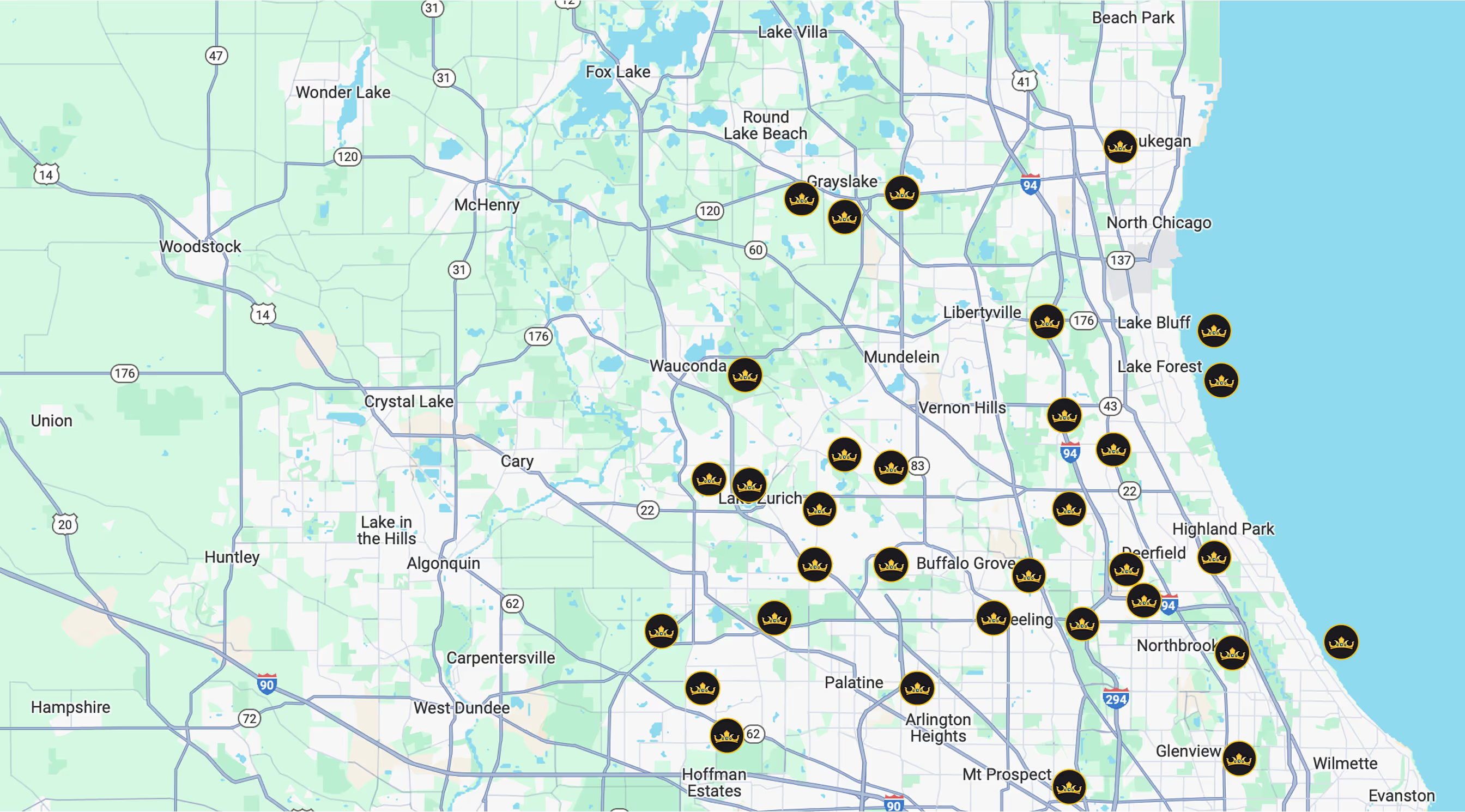
Service areas