Heating Service in Kildeer
Comprehensive heating service in Kildeer for residential and commercial properties, covering installations, repairs, replacements, maintenance, and emergency response. The page outlines common local issues, diagnostic procedures, and the long-term benefits of timely professional care. It explains how technicians assess system performance, determine when repair or replacement is appropriate, and provide upfront pricing. Preventive maintenance reduces unexpected outages, while safety and code compliance ensure reliable operation. Learn how to request service and protect your property's comfort and value.
-min%20(3)-min.jpg)
Heating Service in Kildeer
Reliable heating is essential for Kildeer homes and businesses through long, cold Illinois winters. Our comprehensive Heating Service in Kildeer covers installations, repairs, replacements, maintenance, and emergency response for gas furnaces, boilers, heat pumps, and related equipment. This page explains what to expect, common local problems, how diagnostics and repairs are handled, and the long‑term benefits of timely professional care — presented for homeowners and commercial property managers looking to make informed decisions.
Why professional heating service matters in Kildeer
Kildeer experiences extended freezing temperatures, snow, and occasional freeze-thaw cycles that stress heating systems and ductwork. Large lot homes and older residential construction common in the area often use a mix of gas furnaces and hydronic boilers, while newer projects increasingly incorporate heat pumps for improved efficiency. Professional service ensures:
- Safe operation and reduced risk of carbon monoxide exposure
- Reliable warmth during extended cold spells
- Better energy efficiency and lower utility bills
- Fewer unexpected breakdowns during peak demand
Common heating issues in Kildeer homes and businesses
Many service calls are driven by predictable, repeatable problems. Common heating issues in Kildeer include:
- No heat or intermittent heating caused by ignition failure, thermostat errors, or fuel supply interruptions
- Uneven heating and cold rooms due to improper system sizing, duct leaks, or zoning issues
- Short-cycling furnaces from clogged filters, restricted airflow, or faulty safety controls
- Reduced efficiency and rising energy costs from aging equipment, worn components, or leaky ducts
- Boiler problems such as pressure loss, leaking valves, circulator failures, or noisy operation
- Heat pump troubles like low refrigerant, defrost cycle faults, or compressor strain in very cold weather
- Safety concerns: cracked heat exchangers, blocked flues, or carbon monoxide alarms
Types of services offered
We handle the full spectrum of heating needs for both residential and commercial properties in Kildeer:
- Installations: New gas furnaces, condensing boilers, air-source and ground-source heat pumps, and complete system replacements with proper sizing and zoning design
- Repairs: Rapid diagnosis and repair of components including burners, ignitors, thermostats, blowers, pumps, valves, compressors, and control boards
- Replacements: Guidance on when replacement is more cost effective than repair, selection of high-efficiency equipment, and professional removal and disposal of old units
- Maintenance: Seasonal tune-ups, filter service, combustion and ventilation checks, condensate line cleaning, and energy-optimizing adjustments
- Emergency response: After-hours assessments for no heat, suspected carbon monoxide, major leaks, or other urgent failures
- Commercial services: Rooftop unit work, building boiler maintenance, preventative maintenance agreements, and code-compliant repairs
How diagnostics and service work
Professional diagnostics start with a clear visual inspection and documented checklist, then progress to targeted tests to identify root causes rather than symptoms. Typical diagnostic steps include:
- System history review and symptom interview to identify when and how the issue began
- Visual inspection of equipment, vents, ducts, and electrical connections
- Airflow and static pressure measurements to detect restrictions or duct leaks
- Combustion analysis on gas-fired equipment to confirm safe and efficient burning
- Heat exchanger inspection, pressure testing for boilers, and refrigerant checks for heat pumps
- Thermostat calibration and control verification
- Carbon monoxide testing where fuel combustion is present
Reports outline findings in clear, nontechnical terms, list recommended repairs or replacement options, and explain the expected benefits of each choice.
Repair and replacement guidance
Deciding between repair and replacement depends on system age, frequency of failures, repair cost relative to remaining life, safety concerns, and energy performance. Common guidance:
- Repair is often appropriate for a single failed component on a relatively new, otherwise healthy system
- Consider replacement for equipment older than 12 to 15 years, systems with repeated breakdowns, units with cracked heat exchangers, or when energy savings from a high-efficiency upgrade will offset replacement costs
- Proper replacement includes right-sizing (performance calculations such as Manual J), sealing or upgrading ducts as needed, and matching controls and zoning to the building
Upfront, flat-rate pricing and written estimates help property owners understand costs before work begins. Estimates explain what is included, such as new parts, labor warranties, and any necessary permits or inspections.
Preventive maintenance checklist
Regular maintenance reduces emergency repairs and extends equipment life. A practical tune-up for Kildeer conditions typically includes:
- Replace or inspect air filters and recommend appropriate types
- Clean burners, heat exchangers, and ignition components
- Test safety controls, limit switches, and flame sensors
- Check and adjust thermostat calibration and programming
- Inspect and clean condensate drains and pans
- Lubricate motors and moving parts where applicable
- Measure combustion efficiency and examine venting and flues
- Inspect ductwork for leaks and insulation issues
Frequency: annual inspections for furnaces and boilers; heat pumps benefit from checks twice a year to prepare for heating and cooling seasons.
Safety and code compliance
Safety checks are integral to every service. Routine inspections include carbon monoxide testing, verifying venting integrity, checking for fuel leaks, and ensuring electrical components meet code standards. For commercial properties, services also consider regulatory requirements and documentation for building managers.
Benefits of professional heating care in Kildeer
Investing in skilled heating service returns measurable benefits:
- Consistent indoor comfort during long winters
- Lower utility bills through improved efficiency
- Fewer emergency service calls and unexpected downtime
- Longer equipment life and higher resale value for properties
- Safer operation and documented maintenance history for compliance and insurance purposes
How to request service or a quoteWhen seeking service or a quote, expect a predictable, transparent process: a brief consultation to gather system details, a scheduled on-site inspection, a clear written estimate with flat-rate and upfront pricing options, and an explanation of recommended next steps. Emergency calls follow protocols to assess safety risks immediately and prioritize life-safety issues.
Serving Kildeer residences and businessesHeating systems in Kildeer require attention that accounts for local climate, house size, and usage patterns. Whether maintaining an older boiler in a historic home, upgrading to a high-efficiency furnace, or installing a modern heat pump for electrification goals, professional heating service protects comfort, safety, and asset value in Kildeer properties.

Customer
Testimonials

Great service Very professional
Air Kings was very friendly from start to finish. Very professional and on time. Always communicated with me to keep me informed. I highly recommend them.
Air Kings is a breath of fresh air when working with HVAC companies. Omar was incredibly helpful and polite, offering quality customer service I’ve never seen before. Very easy to talk with Air Kings, I recommend giving them a call!
Brian was super helpful and walked me through everything super nicely as well
Very satisfied
Great service Very professional
Air Kings was very friendly from start to finish. Very professional and on time. Always communicated with me to keep me informed. I highly recommend them.
Air Kings is a breath of fresh air when working with HVAC companies. Omar was incredibly helpful and polite, offering quality customer service I’ve never seen before. Very easy to talk with Air Kings, I recommend giving them a call!
Omar & team are great HVAC experts! They explain what they are doing and are always professional. Great techs that know what they are doing and reasonable prices.


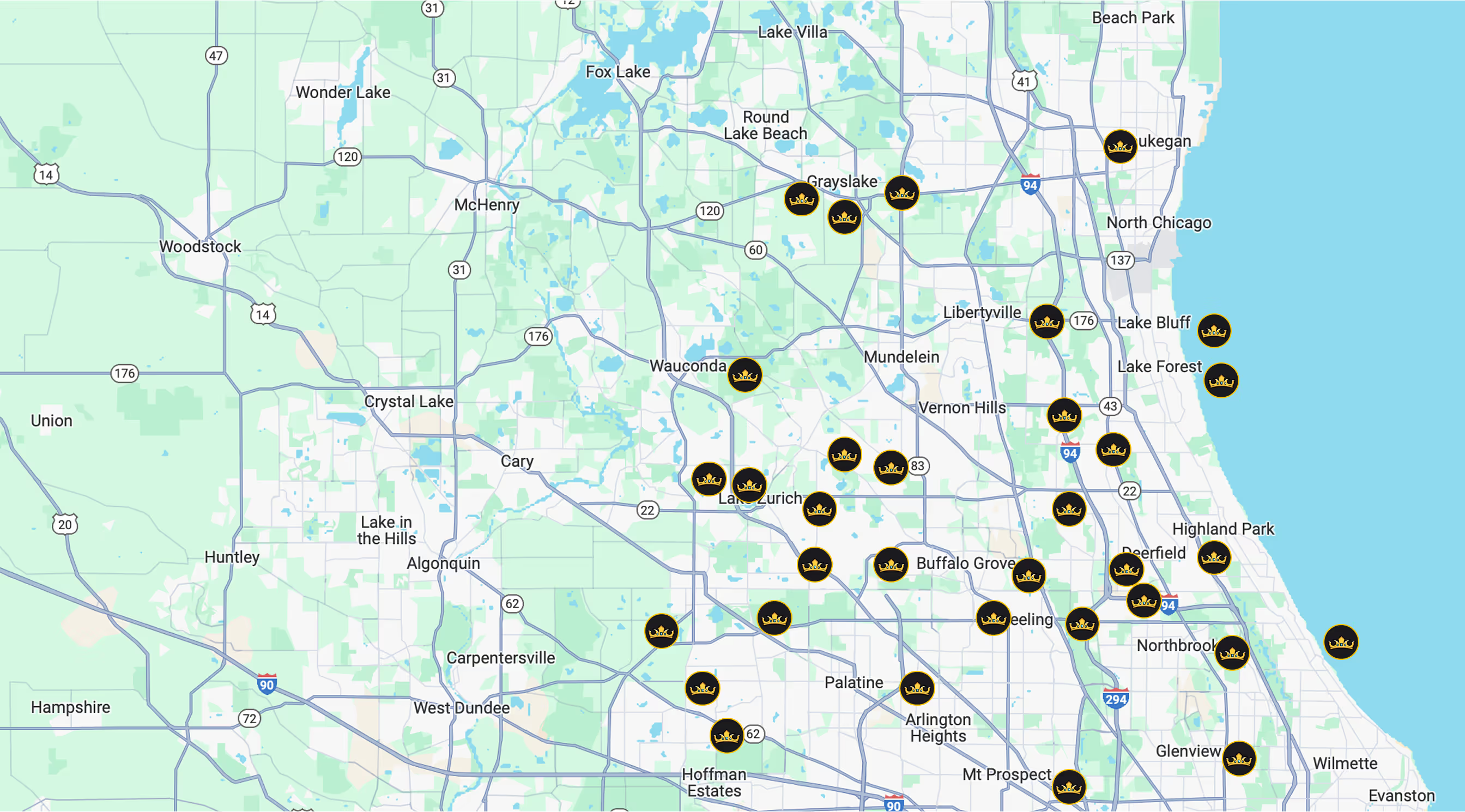
Service areas