Heating Replacement in Glenco
A comprehensive guide to heating replacement in Glenco details when to replace versus repair, common system types, and practical sizing guidance. It explains how to evaluate efficiency metrics, financing options, and incentives, then walks through the installation process, timelines, and post-install testing. The guide emphasizes safety, environmental considerations, and warranty coverage, while outlining maintenance steps to maximize performance and longevity, ensuring homeowners understand how to achieve reliable, energy-efficient heating for years to come.
-min.jpg)
Heating Replacement in Glenco
Replacing a heating system is one of the most important investments a homeowner can make for comfort, safety, and long-term energy savings. In Glenco, where cold winters and extended heating seasons make reliable performance essential, Heating Replacement in Glenco addresses when a full system change is the right choice, how to select and size the best equipment, what to expect during installation, and how to maximize efficiency with available financing and rebates.
Why choose full heating replacement vs repair
Deciding between repair and full replacement depends on several factors. Consider replacement when:
- The system is older than typical service life (furnaces 15 to 20 years, boilers 15 to 30 years, heat pumps 10 to 15 years).
- Repairs are frequent or repair cost in a single visit approaches the value of a replacement.
- Operating efficiency has declined and energy bills continue to rise despite maintenance.
- Performance issues persist: uneven heating, loud cycling, long runtimes, or inability to maintain set temperatures during Glenco cold snaps.
- Safety concerns exist, such as a cracked heat exchanger, persistent carbon monoxide alarms, or fuel leaks.
- Replacement provides a meaningful efficiency upgrade that will pay back through lower fuel bills and potential incentives.
These indicators align with common heating replacement issues in Glenco, where prolonged cold and older housing stock can accelerate system wear.
Common heating system types and local considerations
Glenco homes typically use one of several system types. Choosing the right type depends on fuel availability, insulation levels, and household needs.
- Gas furnaces: High-capacity heating well suited to very cold weather. Look for high AFUE ratings and multi-stage or modulating burners for better comfort.
- Boilers (hot water or steam): Common in older homes. Condensing boilers offer much higher efficiency in retrofit situations where system temperatures can be optimized.
- Electric heat pumps: Increasingly popular in colder climates thanks to cold-climate heat pump technology. Look for high HSPF and low-temperature performance specs.
- Dual-fuel systems: Combine heat pump efficiency with a gas furnace backup for the coldest days—useful in Glenco where winter extremes can occur.
- Zoned systems and ductless mini-splits: Provide targeted comfort and can reduce heat loss in homes with poor ductwork.
System selection and sizing guidance
Proper sizing and selection are critical. Oversized equipment leads to short cycling, high humidity issues, and reduced efficiency. Undersized equipment struggles in peak cold. Steps in selection:
- Perform a Manual J load calculation to determine precise heating demand based on Glenco home specifics: insulation, windows, orientation, and local design temperatures.
- Consider distribution method: ducted vs ductless vs hydronic. Factor in duct condition and leakage.
- Compare efficiency metrics: AFUE for furnaces/boilers, HSPF and SEER for heat pumps, and ENERGY STAR designation where applicable.
- Evaluate advanced features that improve comfort and savings: modulating burners, variable-speed blowers, two-stage compressors, and smart thermostats.
- Balance upfront cost, expected fuel savings, and projected equipment lifespan to choose the best long-term value.
Energy-efficiency options and incentives
Upgrading to high-efficiency equipment in Glenco can significantly reduce fuel consumption during long heating seasons. Options include:
- High-AFUE condensing furnaces and boilers
- Cold-climate heat pumps with superior low-temperature performance
- Zoned controls and programmable or smart thermostats
- Improved duct sealing and insulation to complement new equipment
Financing and rebates for heating replacement often come from multiple sources. Typical options include manufacturer rebates, utility or municipal incentives, and financing programs such as low-interest loans or payment plans. There may also be federal or state-level incentives for installing qualifying high-efficiency heat pumps or electrification upgrades. Homeowners should verify current local and national incentive availability when planning replacement.
The installation process and typical timelines
A professional heating replacement follows a predictable, documented process to ensure safety and performance:
- Initial assessment and load calculation: Inspect the home, sizing calculations, and system recommendations.
- Equipment selection and permitting: Choose the model and secure any required permits or utility notifications.
- Scheduling: Timeline depends on equipment type and permitting; typical lead time can range from a few days to a few weeks.
- Removal and disposal of old equipment: Safe disconnection, drain and dispose of oils or refrigerants if present, and recycling of metal components.
- Installation: Most furnace or boiler replacements in single-family Glenco homes take 1 to 3 days. Heat pump installations may take 1 to 4 days depending on complexity.
- Startup and commissioning: System is charged, venting and combustion are tested where applicable, ductwork is balanced, and thermostats configured.
- Final inspection and paperwork: Local code inspections and warranty registrations complete the process.
Removal, disposal, and environmental considerations
Old heating equipment must be removed and disposed of according to regulations. Key points:
- Refrigerants must be recovered and recycled according to environmental regulations when replacing HVAC equipment containing refrigerant.
- Oil tanks and fuel lines require proper decommissioning and sometimes soil testing.
- Metal components and non-hazardous parts are often recyclable; heat exchangers and other components may contain materials for reclamation.
- Proper disposal helps avoid environmental contamination and ensures compliance with Glenco-area permitting rules.
Post-installation testing, commissioning, and warranties
A thorough post-installation checklist ensures the new system delivers expected performance:
- Combustion analysis and carbon monoxide check for fuel-fired equipment.
- Airflow and static pressure measurements to verify duct performance.
- System balancing and zoning verification to ensure even comfort.
- Thermostat calibration and user orientation on system operation.Warranties typically include a manufacturer warranty on the major components and a workmanship warranty for installation. Extended warranties or maintenance agreements are available for long-term protection; confirm coverage periods and any required registration steps to maintain warranty validity.
Benefits of timely replacement and maintenance advice
Timely heating replacement in Glenco offers tangible benefits:
- Lower energy bills and improved comfort during long, cold winters.
- Increased reliability and fewer emergency breakdowns on extreme weather days.
- Improved indoor air quality and safety with modern combustion controls and sealed combustion options.
- Potential eligibility for incentives and better resale value for the home.
After replacement, simple maintenance preserves performance:
- Change filters regularly and follow the manufacturer maintenance schedule.
- Annual professional tune-ups before the heating season to verify efficiency and safety.
- Keep vents and registers unobstructed and maintain consistent thermostat settings for longest equipment life.
Replacing a heating system is a significant decision that affects comfort, safety, and energy costs for years. In Glenco homes, carefully matching equipment to local climate needs, performing accurate sizing, and following a disciplined installation and commissioning process ensures a dependable, efficient heating system that meets household expectations.

Customer
Testimonials

Great service Very professional
Air Kings was very friendly from start to finish. Very professional and on time. Always communicated with me to keep me informed. I highly recommend them.
Air Kings is a breath of fresh air when working with HVAC companies. Omar was incredibly helpful and polite, offering quality customer service I’ve never seen before. Very easy to talk with Air Kings, I recommend giving them a call!
Brian was super helpful and walked me through everything super nicely as well
Very satisfied
Great service Very professional
Air Kings was very friendly from start to finish. Very professional and on time. Always communicated with me to keep me informed. I highly recommend them.
Air Kings is a breath of fresh air when working with HVAC companies. Omar was incredibly helpful and polite, offering quality customer service I’ve never seen before. Very easy to talk with Air Kings, I recommend giving them a call!
Omar & team are great HVAC experts! They explain what they are doing and are always professional. Great techs that know what they are doing and reasonable prices.


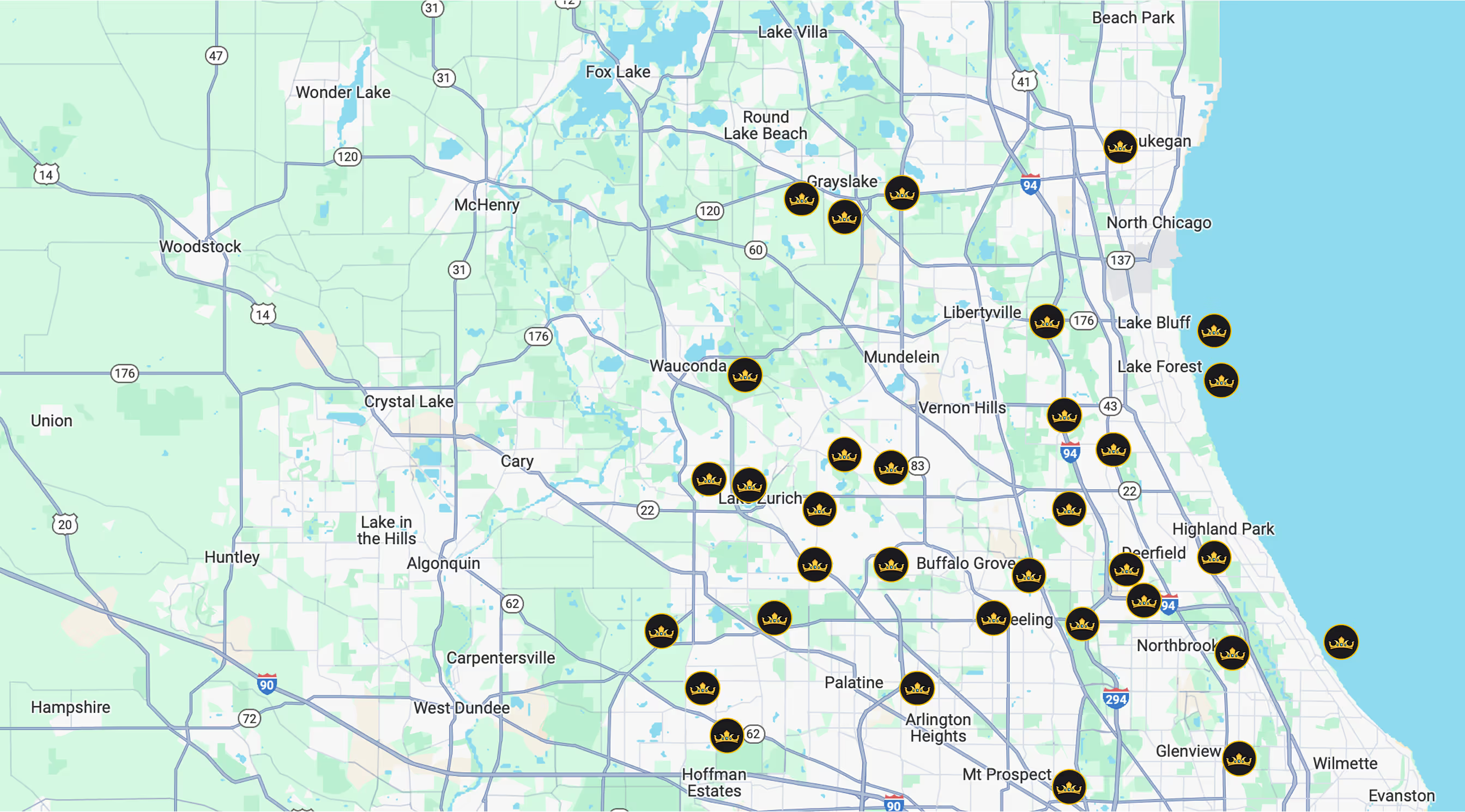
Service areas