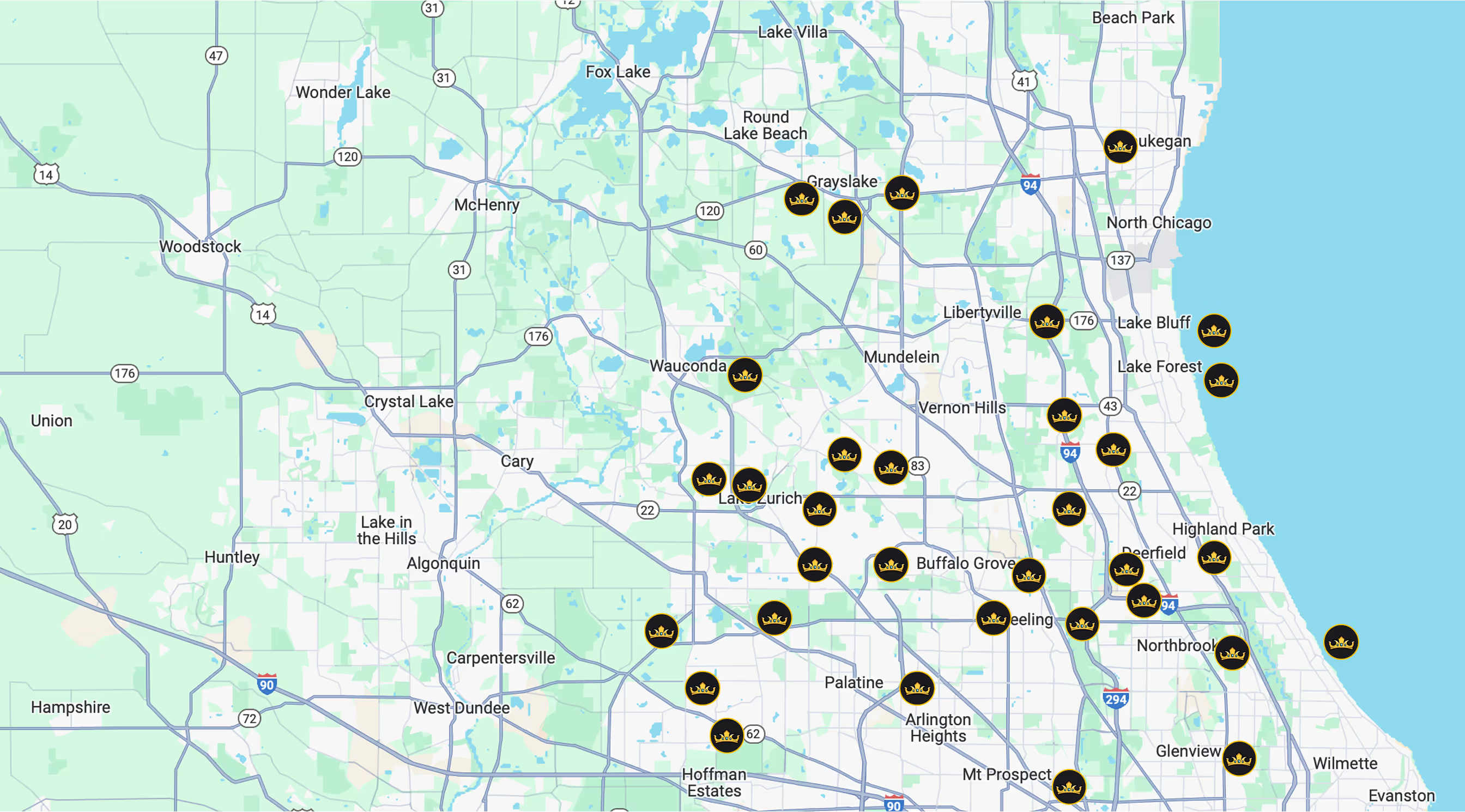
Heating Maintenance in Deer Park
A comprehensive annual heating maintenance plan for Deer Park homes emphasizes preventative inspections, cleanings, and diagnostics to reduce breakdowns and extend equipment life. Major components such as heat exchangers, burners, safety controls, filters, electrical systems, and heat pumps are thoroughly inspected, with safety checks and recommended service intervals included. Routine maintenance benefits, membership plans, and priority scheduling are highlighted, along with clear answers to common homeowner questions about service frequency, cost savings, and system-specific considerations.
Heating Maintenance in Deer Park
Keeping your heating system well-maintained is one of the simplest ways to avoid emergency breakdowns, extend equipment life, and keep energy bills predictable. For Deer Park homes, preventative heating maintenance is especially important because seasonal temperature swings and heavy use during cold months place extra stress on furnaces, boilers, and heat pumps. This page outlines what a comprehensive annual heating maintenance plan looks like, common local issues, what technicians inspect and service, and the concrete benefits of routine care.
Why regular heating maintenance matters in Deer Park
- Reduced breakdowns during cold snaps: Systems that are inspected and tuned are far less likely to fail when you need heat most.
- Better energy efficiency: Clean, calibrated equipment runs smoother and uses less fuel or electricity.
- Improved indoor air quality and safety: Filters, burners, vents, and safety controls that are checked and serviced reduce pollutant and carbon monoxide risks.
- Longer equipment life and warranty compliance: Regular documented maintenance often preserves manufacturer warranties and delays costly replacements.
Common heating problems in Deer Park homes
Homes in Deer Park commonly experience these issues if maintenance is neglected:
- Uneven heating or cold spots in rooms
- Rising energy bills without a change in use
- Furnace short-cycling (turning on and off frequently)
- Soot, yellow pilot lights, or spiking CO detector readings
- Strange noises: knocking, rattling, or high-pitched squeals
- Reduced airflow due to clogged filters or duct buildup
- Corroded components in properties exposed to moisture or nearby bodies of water
What a comprehensive annual heating maintenance plan includes
A professional annual plan is preventive and diagnostic, combining a checklist-driven inspection with routine servicing. Typical components include:
- Visual system inspection
- Check heat exchanger, burners, and combustion chamber for cracks, corrosion, or soot
- Inspect flue or venting for obstructions and proper draft
- Examine exterior components for rust, animal damage, or debris
- Safety and combustion checks
- Measure combustion efficiency and check for carbon monoxide risk
- Test safety controls, limit switches, and emergency shutoffs
- Verify venting and exhaust pathways are working as intended
- Filter and airflow service
- Replace or clean filters and note recommended replacement intervals
- Inspect and clean blower motor, wheel, and housing
- Check and measure airflow and register balance
- Electrical and control inspection
- Tighten electrical connections and inspect wiring for wear
- Test thermostat accuracy and calibrate as needed
- Verify proper sequencing and control operation
- Fuel system and burner service (for gas/oil systems)
- Clean burners and electrodes; inspect fuel lines and connections
- Adjust fuel-air mixture for efficient combustion
- Check ignition system and pilot components
- Heat pump-specific maintenance
- Clean outdoor coil and check reversing valve operation
- Measure refrigerant levels and inspect for leaks
- Test defrost cycle and auxiliary heat function
- Documentation and recommendations
- Provide a written inspection report with efficiency readings and safety test results
- List required repairs, prioritized for safety and performance
- Record service history for warranty and resale value
Efficiency and safety checks explained
Regular maintenance includes targeted tests that go beyond simple cleaning:
- Combustion analysis: Measures how efficiently fuel burns and detects dangerous byproducts.
- Carbon monoxide and pressure testing: Ensures that exhaust gases are vented properly and that negative pressure in the home isn’t drawing combustion gases indoors.
- System calibration: Thermostats and control boards are recalibrated so the system cycles correctly, reducing short cycling and energy waste.
- Leak and corrosion inspection: Especially important in areas with higher humidity or salt air exposure, where components can corrode faster.
Benefits of membership and annual service plans (no pricing)
Membership-style maintenance plans focus on prevention and convenience. Typical member benefits include:
- Annual or biannual scheduled tune-ups timed for seasonal needs
- Priority scheduling windows during peak heating season
- A service history log kept with each visit for warranties and home resale
- Discounts on diagnostic fees or parts for recommended repairs (plan details vary)
- Reminder notifications when filters or follow-up checks are due
These plans are designed to reduce the likelihood of emergency service calls, improve comfort, and preserve equipment value without the uncertainty that comes from ad-hoc maintenance.
When to schedule maintenance — and what to expect
- Best timing: Late summer or early fall for furnaces/boilers, or before the first extended cold spell. Heat pumps benefit from checks both before cooling season ends and before heavy heating use begins.
- Typical visit length: 45 minutes to 2 hours depending on system type and whether repairs are needed.
- Homeowner prep: Clear access to the furnace, boiler, or heat pump unit and ensure filters or filter housings are reachable.
- Technician documentation: Expect a written checklist and notes on condition, test readings, and recommended next steps.
Frequently asked homeowner questions
- How often should I have my heating system serviced? Annual preventive maintenance is standard; older systems or systems with heavy use may benefit from twice-yearly checks.
- Will maintenance reduce my energy bills? Yes. A well-maintained system can operate 10–20% more efficiently, depending on its age and prior condition.
- Is maintenance different for gas, oil, electric, or heat pump systems? The core goals are the same (safety, efficiency, longevity), but inspection items differ: burners and combustion checks for fuel systems, refrigerant and coil checks for heat pumps, and electrical component focus for electric furnaces.
- My system is old—does maintenance still help? Regular care can extend the life of older equipment and help you decide the right time for replacement based on documented efficiency and repair history.
- Are there Deer Park-specific concerns to note? Seasonal temperature swings in Deer Park increase cycling stress. Homes with higher humidity, proximity to water, or heavy pollen load may need more frequent filter changes and corrosion checks.
Long-term payoff of regular maintenance
Routine heating maintenance creates predictable performance and fewer surprises. For Deer Park homeowners, the results are tangible: fewer emergency service calls during cold weather, more even indoor comfort, improved indoor air quality, and a clear record that helps preserve system warranties and home value. Maintenance is an investment in reliability that typically pays for itself by avoiding major failures and lowering operating costs over time.
By focusing on safety, measured efficiency, and documented service, annual heating maintenance helps ensure your system is ready for every Deer Park winter while keeping operating costs and risk under control.

Customer
Testimonials

Great service Very professional
Air Kings was very friendly from start to finish. Very professional and on time. Always communicated with me to keep me informed. I highly recommend them.
Air Kings is a breath of fresh air when working with HVAC companies. Omar was incredibly helpful and polite, offering quality customer service I’ve never seen before. Very easy to talk with Air Kings, I recommend giving them a call!
Brian was super helpful and walked me through everything super nicely as well
Very satisfied
Great service Very professional
Air Kings was very friendly from start to finish. Very professional and on time. Always communicated with me to keep me informed. I highly recommend them.
Air Kings is a breath of fresh air when working with HVAC companies. Omar was incredibly helpful and polite, offering quality customer service I’ve never seen before. Very easy to talk with Air Kings, I recommend giving them a call!
Omar & team are great HVAC experts! They explain what they are doing and are always professional. Great techs that know what they are doing and reasonable prices.


Service areas