Heating Maintenance in Buffalo Grove
Buffalo Grove homeowners benefit from proactive heating maintenance that protects furnaces and boilers during harsh winters, boosts efficiency, and extends equipment life while improving indoor air quality. A professional visit covers safety inspections, thermostat calibration, cleaning of burners and heat exchangers, lubrication, and performance tuning, followed by a clear findings report. Regular maintenance reduces emergency repairs, supports energy savings, and enables tailored service plans. Practical tips and maintenance schedules keep systems reliable between visits, ensuring consistent warmth and safety throughout the season.

Heating Maintenance in Buffalo Grove
Keeping your heating system running reliably during Buffalo Grove winters requires more than occasional attention. Preventative heating maintenance in Buffalo Grove protects your furnace or boiler from cold-weather failures, improves efficiency, extends equipment life, and helps keep indoor air quality healthy while reducing the risk of emergency repairs during peak heating season.
Why heating maintenance matters in Buffalo Grove
Buffalo Grove experiences long, cold winters with frequent temperature swings and snow. That extra runtime stresses components, and freeze-thaw cycles can affect vents, pipe joints, and exterior equipment. Regular maintenance addresses wear before it becomes a breakdown, prevents safety risks like carbon monoxide leaks, and helps systems run more efficiently when energy use is highest.
Common heating maintenance issues in Buffalo Grove homes
- Clogged or dirty filters that reduce airflow, forcing the blower to work harder and producing uneven heat.
- Ignition or pilot problems that cause intermittent heating or system lockouts after power or gas interruptions.
- Worn blower motors, belts, and bearings that lead to noisy operation and eventual failure.
- Soot buildup, blocked flues, or venting problems from ice or debris that degrade combustion and create safety hazards.
- Cracked heat exchangers in furnaces or corroded sections in boilers—issues that are more likely to go unnoticed without inspections.
- Thermostat errors or poor calibration producing short cycling or temperature swings.
Seasonal tune-up checklist (what to expect)
A comprehensive seasonal tune-up addresses safety, performance, and longevity. Typical steps included in a professional heater tune-up in Buffalo Grove:
- Inspection
- Visual and functional inspection of furnace/boiler, heat exchanger, combustion chamber, flue, and vents
- Thermostat calibration and basic control checks
- Cleaning
- Remove dust and debris from burners, ignition components, blower assembly, and heat exchanger surfaces
- Clear condensate lines and inspect condensate traps where applicable
- Lubrication and mechanical checks
- Lubricate motors and bearings when required
- Inspect belts and pulleys; check blower wheel balance
- Safety checks
- Combustion safety: verify proper ignition and flame pattern
- Carbon monoxide and ventilation checks
- Confirm proper gas pressure and shutoff valve operation (for gas systems)
- Performance tuning
- Measure and adjust airflow, fuel/air mixture, and pilot/ignition timing where applicable
- Check and test limit switches, safety controls, and sequence of operation
- Final testing and documentation
- Run the system through a full cycle, record operating pressures/temperatures, and provide a checklist of findings and recommended actions
Filter and component replacement schedules
Following a predictable replacement schedule helps avoid common failures and keeps efficiency high.
- Filters
- 1-inch disposable filters: check monthly; replace monthly or every 30 days during high-use periods.
- Pleated filters (2–4 inch): inspect every 1–3 months; typical replacement every 3–12 months depending on type, occupancy, pets, and air quality.
- Belts and blower components
- Inspect at every tune-up; expect replacement every 1–3 years depending on wear and duty cycle.
- Ignition systems and controls
- Evaluate during annual service; components may last many years but should be replaced at first sign of intermittent failure.
- Heat exchangers and burners
- Clean and inspect annually; replacement is uncommon but necessary when damage or cracking is detected.
- Water-fed heating components (boilers, hydronic systems)
- Flush and inspect annually; monitor for corrosion and leaks and replace sacrificial anodes or corroded sections as needed.
Tailor schedules to your specific system, home occupancy, and indoor air quality demands. Buffalo Grove homes with heavy winter runtimes and closed windows will generally need more frequent filter changes.
What a professional maintenance visit includes (diagnostic process)
A professional technician will combine inspection with measurements to diagnose issues and prevent failures:
- Review system history and recent performance
- Visually inspect the entire heating circuit, including ductwork and vents
- Test controls, safety devices, and electrical connections
- Measure combustion efficiency where applicable to ensure safe and efficient operation
- Provide a clear report of findings and recommended repairs or parts replacements
This diagnostic approach reduces guesswork and targets work that delivers the greatest reliability and efficiency gains.
Service agreement options for Buffalo Grove homeowners
Service agreements are structured to match different needs and budgets while ensuring systems are serviced before problems start. Common options include:
- Basic plan: annual inspection and tune-up with documented checklist and priority booking for tune-up windows.
- Standard plan: two visits per year (fall heating tune-up and spring inspection), filter reminders, and preferred scheduling.
- Comprehensive plan: seasonal visits, priority emergency response, priority parts allocation, and system performance reports.
Plans typically focus on regular preventive care, documented maintenance history, and scheduling benefits that reduce the chance of winter emergencies in Buffalo Grove’s cold months.
How regular maintenance reduces emergency repairs
Routine maintenance identifies worn parts and declining performance long before they cause failures, so you avoid:
- Heat loss on the coldest nights due to ignition failures or blower burnout
- Costly emergency calls for problems that could have been foreseen (e.g., seized motors or cracked heat exchangers)
- Safety hazards like carbon monoxide leaks resulting from blocked vents or compromised combustion
- Shortened equipment life due to dirty components and excessive runtime
Statistically and practically, systems that receive annual professional maintenance experience fewer breakdowns and maintain better efficiency.
Practical tips to minimize problems between visits
- Change or check filters monthly during winter; leave a supply of the correct size on hand.
- Keep vents and returns clear of furniture, drapes, and dust build-up.
- Winterize outdoor venting and condensing units to prevent ice blockage; clear snow away from exterior vents.
- Set thermostats to avoid extreme temperature swings that cause short cycling.
- Install or maintain a working carbon monoxide detector near sleeping areas.
Conclusion — long-term benefits for Buffalo Grove homes
Regular heating maintenance in Buffalo Grove delivers predictable warmth, lower energy use, longer equipment life, and improved indoor air quality during months when heating is essential. A structured maintenance plan tailored to local winter conditions and your system type reduces the stress of unexpected breakdowns and keeps your home safer and more comfortable. Routine inspections and tune-ups are the most effective way to preserve system efficiency and prevent costly emergency repairs in the colder months.

Customer
Testimonials

Great service Very professional
Air Kings was very friendly from start to finish. Very professional and on time. Always communicated with me to keep me informed. I highly recommend them.
Air Kings is a breath of fresh air when working with HVAC companies. Omar was incredibly helpful and polite, offering quality customer service I’ve never seen before. Very easy to talk with Air Kings, I recommend giving them a call!
Brian was super helpful and walked me through everything super nicely as well
Very satisfied
Great service Very professional
Air Kings was very friendly from start to finish. Very professional and on time. Always communicated with me to keep me informed. I highly recommend them.
Air Kings is a breath of fresh air when working with HVAC companies. Omar was incredibly helpful and polite, offering quality customer service I’ve never seen before. Very easy to talk with Air Kings, I recommend giving them a call!
Omar & team are great HVAC experts! They explain what they are doing and are always professional. Great techs that know what they are doing and reasonable prices.


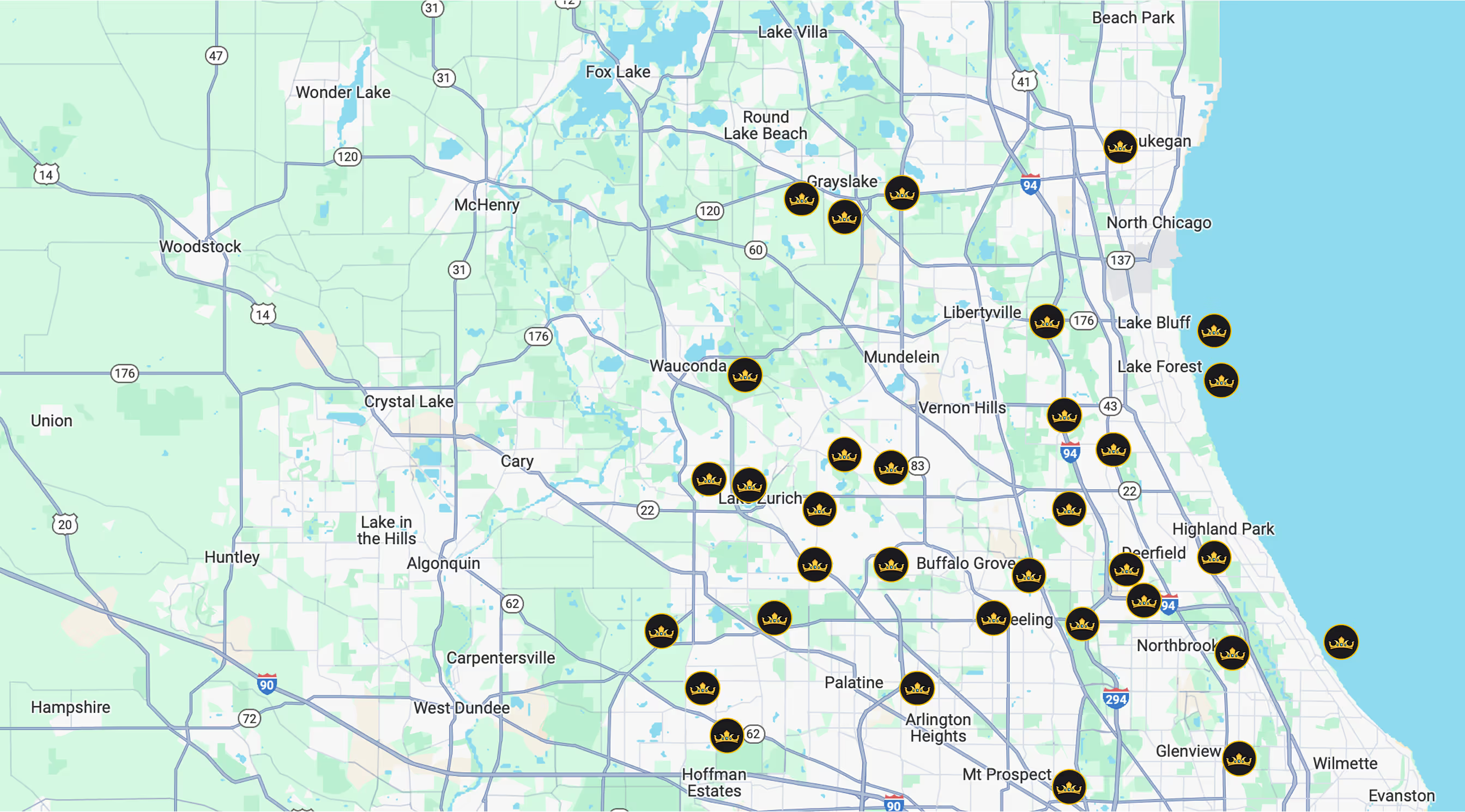
Service areas