Heating Installation in Mettawa
The complete heating installation process for Mettawa homes begins with a detailed assessment and load calculations, followed by equipment selection, professional installation, and commissioning tests. It addresses common system types and issues, proper sizing for cold winters, and code-compliant installation steps with safety checks and warranties. Homeowners gain insight into financing options, maintenance recommendations, and practical tips to minimize disruption, improve efficiency, and maximize comfort with a properly designed, correctly installed heating system that meets local codes and enhances indoor air quality.
%20(10)-min.avif)
Heating Installation in Mettawa
Installing a new heating system is one of the most important home investments for Mettawa homeowners. With long, cold winters in the northern Illinois area, choosing the right system and ensuring professional installation affects comfort, energy use, and long-term reliability. This page explains the full heating installation process for Mettawa homes: from the initial assessment and equipment selection to installation steps, commissioning tests, warranty and maintenance guidance, and financing options designed for local needs.
Why replace or install a new heating system in Mettawa
- Older furnaces or boilers in North Shore homes often lose efficiency or face parts obsolescence.
- Colder local winters mean a properly sized, efficient system delivers significant comfort and energy savings.
- Upgrading to a high-efficiency furnace, condensing boiler, or heat pump can reduce utility expense and improve indoor air quality.
Understanding the cause and recommended solution ensures the right investment instead of a temporary repair.
Common heating system types and issues in Mettawa
- Gas furnaces: common in many homes, can suffer from cracked heat exchangers, ignition failures, or inefficient burners.
- Boilers: older cast-iron or steel boilers may leak, lose efficiency, or be incompatible with modern thermostatic controls.
- Heat pumps and hybrid systems: increasingly popular for energy efficiency, but require correct sizing for cold-climate performance.
- Zoning and duct issues: uneven heating often traces to duct leaks, poor insulation, or missing zoning controls.
Identifying the typical problems in Mettawa helps determine whether a replacement, conversion, or system redesign is the right path.
Initial home assessment and load calculations
A reliable installation starts with an on-site assessment. Technicians inspect the home's insulation, window types, orientation, air infiltration, and existing ductwork or piping. They then perform Manual J load calculations to determine the precise heating demand for each home. Proper load calculation prevents oversized or undersized equipment that can cause short cycling, inefficiency, or comfort problems. For older Mettawa homes, the assessment also includes checking local venting routes, basement or crawlspace conditions, and any municipality-specific installation constraints.
Equipment selection guidance
Selection balances capacity, efficiency, fuel type, and long-term operating costs. Key considerations for Mettawa homes:
- Efficiency ratings: AFUE for furnaces and boilers, HSPF and SEER for heat pump systems. Higher efficiency typically yields lower operating costs in cold winters.
- Fuel availability: natural gas is common, but electric heat pumps or hybrid systems may be attractive depending on goals and future electrification plans.
- Sizing and modulation: modulating or variable-capacity equipment adapts to load changes and improves comfort in drafty or partially insulated homes.
- Compatibility with controls: modern thermostats, zoning panels, and smart controls support better temperature management and energy monitoring.
A clear explanation of pros and cons for each option helps homeowners choose the right system for performance and budget.
Professional installation steps and code compliance
Professional installations follow a consistent, code-compliant process:
- Site preparation: protect floors, move furniture as needed, and confirm utility shutoffs.
- Removal of old equipment: safe disconnection and removal of the existing furnace, boiler, or unit while protecting home surfaces.
- System rough-in: install duct connections, piping, venting, or refrigerant lines per manufacturer and local code.
- Final equipment set and connections: secure unit placement, gas or electrical connections, combustion air pathways, and condensate management.
- Safety and code checks: ensure proper vent clearances, combustion safety, carbon monoxide safeguards, and permit compliance with Lake County or municipal requirements.
All work follows manufacturer installation instructions and local building codes to maintain warranty validity and ensure safe operation.
Timeline and what homeowners should expect on install day
Typical single-system installations are completed within a day, while more complex conversions or boiler installations may take multiple days. Homeowners can expect:
- A clear start time and an explained plan for the day.
- Containment measures to minimize dust and protect living spaces.
- Periodic checks with the homeowner as key milestones are reached.
- A professional cleanup and removal of old equipment at the end of the job.
Installation teams aim to minimize disruption while completing inspections, hookups, and initial testing within the scheduled timeline.
Start-up and commissioning tests
Once installed, the system undergoes comprehensive start-up and commissioning:
- Leak checks for gas or refrigerant, and pressure tests for hydronic systems.
- Electrical checks, thermostat calibration, and verification of control wiring.
- Combustion analysis for gas appliances to confirm safe and efficient burner operation.
- Airflow measurements and duct balancing for forced-air systems, or flow verification for boilers and radiant systems.
Technicians walk through the system operation and explain normal sound, expected warm-up time, and thermostat settings to optimize comfort in Mettawa conditions.
Warranty and maintenance recommendations
New systems include manufacturer warranties and should be registered to preserve coverage. Recommended maintenance practices:
- Annual tune-ups for combustion systems to verify efficiency and safety.
- Biannual checks for heat pumps to maintain seasonal performance.
- Filter replacement schedule and duct inspections to protect indoor air quality and system longevity.
- Prompt attention to unusual noises, cycling, or comfort issues to avoid larger failures.
Proper maintenance both preserves warranties and extends equipment life in the face of cold Midwest winters.
Financing and flat-rate pricing options
Many homeowners prefer predictable pricing and flexible payment options when planning a heating installation. Available options typically include:
- Flat-rate installation quotes that cover labor, standard materials, and basic system setup to avoid unexpected costs.
- Financing plans to spread the investment over time with clear repayment terms, useful for budgeting major upgrades.
- Warranty and service package options bundled with installation for long-term protection and maintenance scheduling.
Discussing financing structure and flat-rate scopes ahead of time ensures transparency and alignment with homeowner priorities.
Final benefits and practical tips
A correctly sized, professionally installed heating system delivers more consistent comfort, improved energy efficiency, and enhanced home safety — especially valuable for Mettawa homes facing cold winters and variable insulation conditions. Practical tips include scheduling installation outside peak winter demand when possible, checking insulation and air sealing prior to final sizing, and choosing equipment with compatible controls for zoning and remote management. Regular maintenance and proper commissioning unlock the full value of a new system and keep homes warm and efficient year after year.

Customer
Testimonials

Great service Very professional
Air Kings was very friendly from start to finish. Very professional and on time. Always communicated with me to keep me informed. I highly recommend them.
Air Kings is a breath of fresh air when working with HVAC companies. Omar was incredibly helpful and polite, offering quality customer service I’ve never seen before. Very easy to talk with Air Kings, I recommend giving them a call!
Brian was super helpful and walked me through everything super nicely as well
Very satisfied
Great service Very professional
Air Kings was very friendly from start to finish. Very professional and on time. Always communicated with me to keep me informed. I highly recommend them.
Air Kings is a breath of fresh air when working with HVAC companies. Omar was incredibly helpful and polite, offering quality customer service I’ve never seen before. Very easy to talk with Air Kings, I recommend giving them a call!
Omar & team are great HVAC experts! They explain what they are doing and are always professional. Great techs that know what they are doing and reasonable prices.


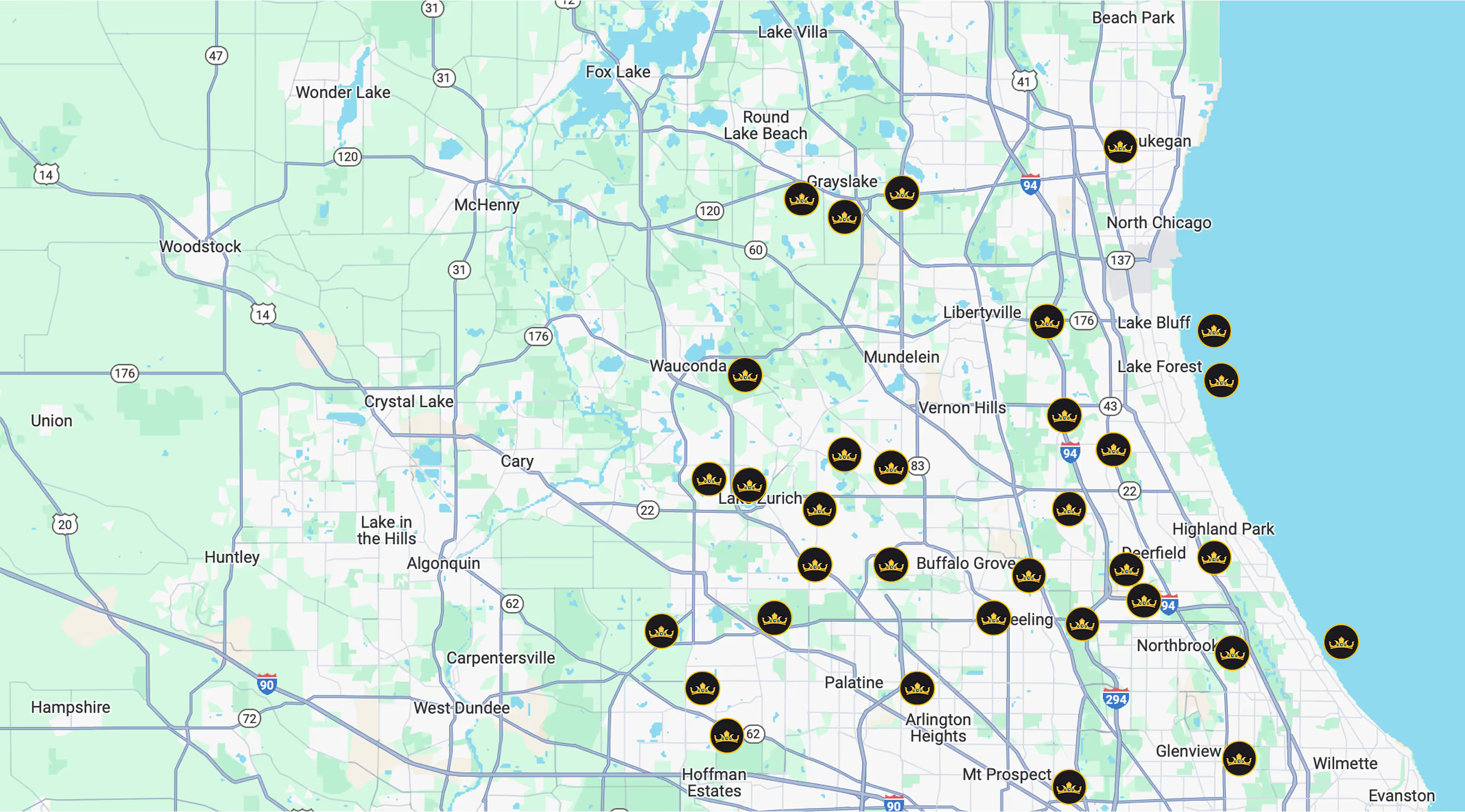
Service areas