Heating Installation in Lake Bluff
Heating installation in Lake Bluff involves a thorough site assessment, accurate load calculations, and selecting equipment that match long-term energy goals. The process covers furnace, boiler, heat pump, and mini-split options, plus ventilation considerations. A professional installation follows a structured sequence from preparation through commissioning, including controls integration and thorough safety checks. The guide emphasizes proper sizing, code compliance, and post-installation walkthrough, with maintenance plans, financing options, and transparent quotes to ensure reliable, efficient heating for years.

Heating Installation in Lake Bluff
Replacing or installing a new heating system is one of the most important investments you can make for comfort, safety, and long-term energy savings in Lake Bluff. With cold, lake-effect winters and occasional rapid temperature swings, homes here need reliable, correctly sized systems. This page explains how a professional heating installation works in Lake Bluff, what to expect from each step, common local issues, equipment options, and the post-installation care that keeps systems running efficiently.
Why proper heating installation matters in Lake Bluff
Lake Bluff homes face longer heating seasons and strong winds off Lake Michigan that increase heat loss. Improperly sized equipment or rushed installations lead to uneven temperatures, high utility bills, and frequent repairs. A properly planned and executed installation delivers consistent warmth, better indoor air quality, reduced energy use, and a longer equipment life.
Common heating installation needs in Lake Bluff
- Replacement of aging furnaces or boilers that struggle in prolonged cold spells
- Upgrades to higher efficiency systems to reduce winter energy bills
- Conversion to heat pumps or ductless mini-splits for better zoning and efficiency
- New installations in additions or remodeled spaces where existing systems do not cover new load
- Improvements to distribution (ductwork or hydronic piping) in older or historic homes
Site assessment and load calculations
A thorough site assessment is the foundation of a safe, efficient installation. Technicians will evaluate:
- Home size, orientation, insulation levels, window types, and air infiltration
- Existing ductwork, vents, or hydronic piping and any signs of leaks or restriction
- Typical living patterns and zoning needs for different rooms
- Local climate factors such as wind exposure from Lake Michigan and shading from tree cover
From this assessment, a Manual J style load calculation determines the exact heating capacity your home needs. Relying on this calculation prevents oversizing or undersizing, both of which cause comfort and efficiency problems in Lake Bluff homes.
Choosing the right equipment for your home
Equipment choice depends on load calculations, budget, and long-term energy goals. Common options for Lake Bluff installations include:
- Furnaces: High-efficiency gas or electric furnaces remain common for cold climates. Modern condensing furnaces offer high AFUE ratings that reduce winter fuel consumption.
- Boilers: Hydronic heating with boilers provides steady, comfortable heat for homes with radiant floors or baseboard radiators. Boilers are well suited to older Lake Bluff homes already equipped with piping.
- Heat pumps: Cold-climate air source heat pumps and hybrid systems now perform effectively in colder temperatures and deliver both heating and cooling, reducing the need for separate systems.
- Mini-splits: Ductless mini-splits offer precise zoning and are ideal for additions, historic houses without ducts, or rooms with special temperature needs.
Equipment selection also factors in ventilation and indoor air quality solutions, especially if the home is tightly sealed for energy efficiency.
Professional installation steps
A methodical installation process ensures performance and compliance:
- Preparation: Clear work areas, protect floors and finishes, and verify utility connections.
- Removal: Safely decommission and remove the old system in accordance with local disposal and safety requirements.
- Rough work: Modify or install ductwork, piping, combustion air, or condensate drains as required.
- Equipment set up: Install the new unit on proper bases, connect gas, electric, or refrigerant lines, and secure all mechanical connections.
- Controls and thermostat integration: Install compatible thermostats, zoning dampers, or smart control interfaces.
- Final connections and seals: Verify all joints, flues, and seals to prevent drafts, leaks, or combustion issues.
Each step is documented and inspected to meet local building requirements and ensure the system performs as calculated.
Safety and code compliance checks
Lake Bluff installations must meet local codes and manufacturer requirements for safe operation. Standard safety checks include:
- Proper combustion air supply and venting for fuel-burning equipment
- Carbon monoxide safety verification where applicable
- Electrical connections sized to code and protected by the correct breakers
- Permits and inspections coordinated with local authorities when required
Technicians provide documentation that helps with municipal inspections and future servicing.
Thermostat integration and smart controls
Proper thermostat selection and integration optimize comfort and efficiency. Options include programmable thermostats, Wi Fi-enabled smart thermostats, and multi-zone control systems. For Lake Bluff homes with varying solar gain or wind-driven heat loss, zoning with separate thermostats or dampers can maintain consistent temperature across living spaces while lowering overall energy use.
Commissioning, testing, and post-installation walkthrough
Commissioning confirms the system works as intended. Tests include:
- Startup and system cycling under load to verify heating capacity
- Measuring airflow, refrigerant charge, water temperatures, or combustion efficiency where applicable
- Verifying thermostat calibration and control logic for zones
A professional post-installation walkthrough explains system operation, maintenance steps, filter locations, and safety features. This walkthrough helps homeowners feel confident in using new controls and understanding routine tasks.
Maintenance plans and long-term care
Regular maintenance extends equipment life and preserves efficiency—especially important in Lake Bluff where heating loads are high. Typical maintenance offerings include:
- Annual tune ups and safety inspections prior to peak winter seasons
- Filter replacement programs and indoor air quality checks
- Priority service options and seasonal system checks
- Detailed service records to support warranties and resale value
Planned maintenance prevents many common issues such as combustion inefficiency, reduced output, and premature component failure.
Financing options and flat-rate quotes
To help manage upfront costs, many homeowners use financing plans that spread payments over time, or select flat-rate installation quotes that clearly outline scope and inclusions. Flat-rate quotes typically specify equipment model, efficiency ratings, labor, permit handling, and warranty details so you know exactly what is covered before installation begins. Ask about potential local utility rebates or incentive programs that can make high-efficiency upgrades more affordable.
Final notes on benefits and maintenance for Lake Bluff homes
A correctly installed heating system delivers safer, quieter operation; more even comfort; and measurable energy savings in Lake Bluff winters. Choosing the right system for your home type and climate, following a methodical installation process, and committing to annual maintenance are the key elements that determine long-term satisfaction and cost effectiveness. Regular tune ups before the coldest months, attention to filter and vent maintenance, and ensuring thermostat settings match your lifestyle help protect performance and reduce operating costs year after year.

Customer
Testimonials

Great service Very professional
Air Kings was very friendly from start to finish. Very professional and on time. Always communicated with me to keep me informed. I highly recommend them.
Air Kings is a breath of fresh air when working with HVAC companies. Omar was incredibly helpful and polite, offering quality customer service I’ve never seen before. Very easy to talk with Air Kings, I recommend giving them a call!
Brian was super helpful and walked me through everything super nicely as well
Very satisfied
Great service Very professional
Air Kings was very friendly from start to finish. Very professional and on time. Always communicated with me to keep me informed. I highly recommend them.
Air Kings is a breath of fresh air when working with HVAC companies. Omar was incredibly helpful and polite, offering quality customer service I’ve never seen before. Very easy to talk with Air Kings, I recommend giving them a call!
Omar & team are great HVAC experts! They explain what they are doing and are always professional. Great techs that know what they are doing and reasonable prices.


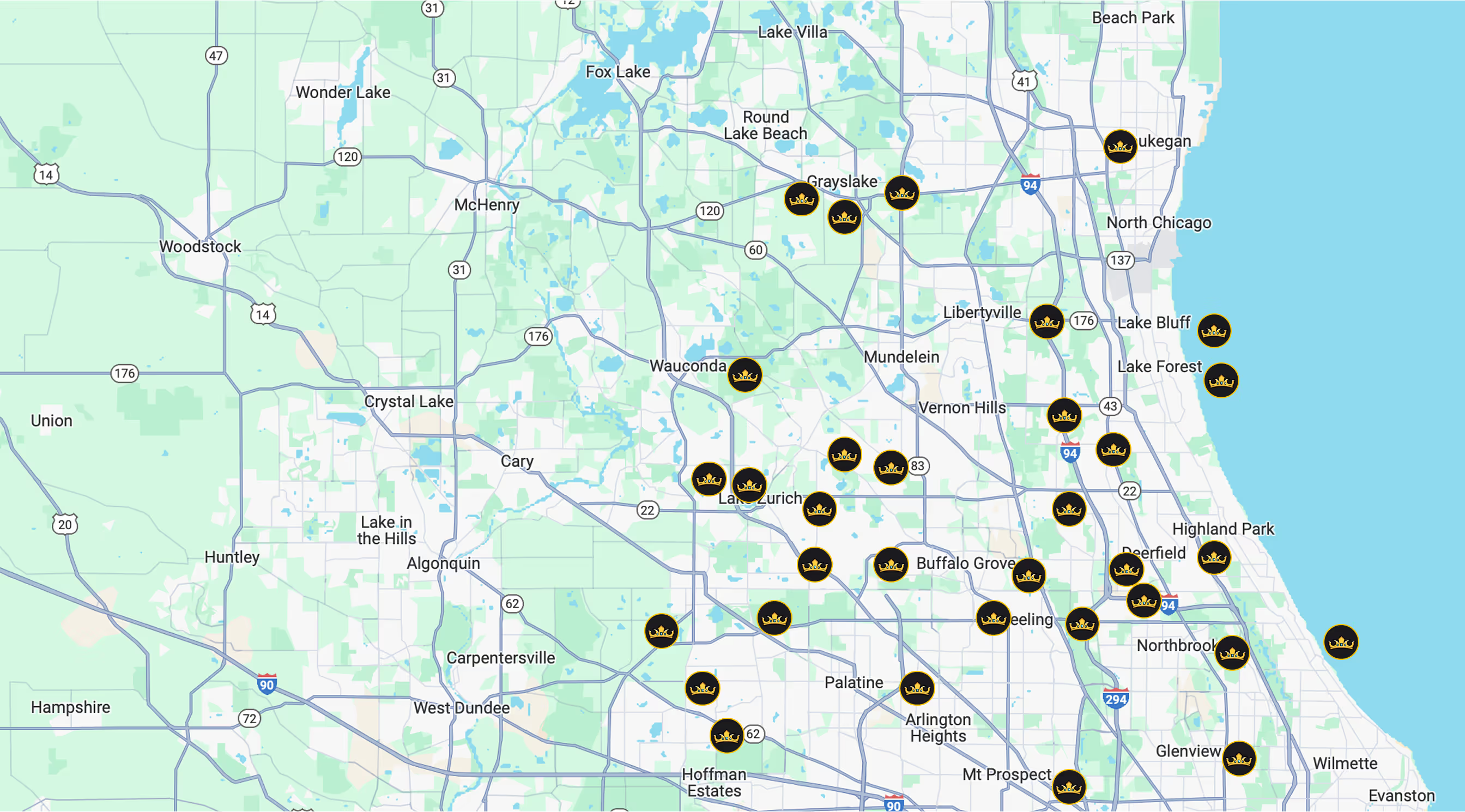
Service areas