Mini Split Heating Repair in Hawthorn Woods
This guide outlines Hawthorn Woods mini split heating repair, detailing why timely service matters, typical heat-performance issues, and how technicians diagnose and resolve them. It covers common repairs, component replacements, and emergency options to restore warmth quickly, plus practical timelines and cost considerations. It also explains when a replacement is more economical and offers maintenance tips to prevent future breakdowns. The goal is clear: restore reliable, efficient heat while minimizing disruption during cold spells ahead.

Mini Split Heating Repair in Hawthorn Woods
When Hawthorn Woods winters set in, your mini-split heat becomes essential for comfort and safety. Mini split heating repair in Hawthorn Woods focuses on restoring reliable, efficient warmth when the system underperforms. Homeowners typically call for help after noticing weak heat, unusual cycling, or failure to defrost properly. This page explains common heating problems, how technicians diagnose them, typical repair options and timelines, emergency heating restoration approaches for cold spells, and guidance on when replacement is the better choice.
Why timely mini split heating repair matters in Hawthorn Woods
Hawthorn Woods experiences prolonged cold and periodic deep freezes that stress heat pumps. Running a compromised mini-split through a Wisconsin-style cold snap can lead to frozen outdoor coils, increased wear on compressors, and higher energy use. Prompt repair:
- Restores comfortable indoor temperatures faster
- Prevents collateral damage to components
- Improves energy efficiency and lowers operating strain
- Reduces the chance of complete system failure during peak cold periods
Common mini split heating issues in Hawthorn Woods
Homeowners see a consistent set of symptoms related to heating performance. Understanding these helps set expectations and speeds diagnosis.
- Weak heat output: Unit runs but delivers less warm air than expected. Often felt during sudden temperature drops.
- Sensor faults or inaccurate thermostat readings: Indoor temperature sensor failures cause short cycling or overheating.
- Frequent cycling or short runs: Unit turns on and off too often rather than running a steady cycle.
- Defrost problems: Outdoor unit fails to enter or complete defrost cycle, leading to ice buildup and reduced heating capacity.
- Strange noises during heating: Grinding, clanking, or rattling typically point to mechanical wear or airflow restrictions.
- No heat at all: Could be electrical, compressor failure, or refrigerant loss.
- Reduced airflow from indoor unit: Clogged filters, fan motor issues, or duct/line obstructions.
Diagnostic process: what a technician checks
A systematic diagnosis separates simple fixes from component failures. Typical steps include:
- Visual inspection: Check indoor and outdoor units for ice, debris, damaged panels, and visible wiring issues.
- Filter and airflow check: Inspect and test filters, fan motors, and grille/vent clearance.
- Temperature and sensor tests: Verify indoor temperature sensor accuracy and thermostat calibration.
- Refrigerant pressure and leakage tests: Measure system pressures to detect leaks or undercharge that reduce heating performance.
- Electrical and control checks: Confirm proper voltage, relay function, and control board operation.
- Defrost cycle evaluation: Monitor outdoor coil behavior and defrost controls to diagnose improper defrosting.
- Compressor and reversing valve assessment: Evaluate mechanical operation for signs of wear or failure.
Technicians will explain findings in plain language and outline repair options based on severity and component condition.
Common repairs and component replacements
Repairs focus on restoring heating function with a balance of longevity and cost-effectiveness. Common actions:
- Filter and airflow restoration: Cleaning or replacing filters, clearing obstructions, and repairing fan motors improves immediate heat delivery.
- Sensor replacement or recalibration: Replacing a faulty indoor sensor or recalibrating controls corrects erratic cycling and temperature errors.
- Refrigerant leak repair and recharge: Locating and repairing leaks, then recharging to factory-recommended levels, restores heat pump capacity.
- Defrost control repair or thermostat replacement: Fixing defrost timers or replacing failed defrost sensors stops outdoor coil icing.
- Compressor or reversing valve repair/replacement: Addressed when mechanical failures prevent heat generation or reversing between heating and cooling.
- Electrical repairs: Replacing relays, capacitors, or control boards to resolve sudden failures or erratic behavior.
Repairs are prioritized to get heat restored quickly, with more extensive fixes scheduled to minimize repeat service during cold weather.
Emergency heating restoration options
During a Hawthorn Woods cold snap, restoring heat quickly matters. Emergency approaches technicians use:
- Temporary bypasses and safe mode operation: Enabling simplified control modes that allow the system to produce heat while awaiting parts.
- Portable heating recommendations and safe integration: Advising on safe use of supplemental portable heaters and staging them to reduce load on the mini split.
- Rapid part replacement: Prioritizing commonly needed components like sensors, filters, and defrost controls for same-day swaps when available.
- Interim refrigerant top-offs: Short-term refrigerant recharge to restore function while scheduling a leak repair when time allows.
Emergency repairs focus on safe, reliable warmth until a permanent repair can be completed.
Expected repair timelines and cost considerations
Repair timelines depend on diagnosis and part availability. Typical expectations:
- Minor issues such as filters, sensors, or electrical resets: often completed the same day.
- Moderate repairs like refrigerant leak location and recharge or defrost control replacement: may take a day or two depending on parts.
- Major repairs involving compressors or reversing valves: often require ordering specific parts and can take several days to a week.
Cost is influenced by the failed component, accessibility of parts, and whether refrigerant recovery is required. In cold-weather regions like Hawthorn Woods, additional labor may be necessary for safe outdoor work during freezing conditions. Technicians will outline repair scope and tradeoffs between shorter-term fixes and longer-lasting replacements.
When replacement is preferable
Replacement becomes the recommended route in these situations:
- The mini split is older and has had repeated major failures.
- Compressor or major mechanical failures would cost a significant portion of a new system.
- The system uses outdated refrigerants or lacks modern efficiency features that would yield meaningful energy savings with a new unit.
- Multiple components are failing and repairs no longer restore reliable long-term performance.
A replacement choice factors in long-term energy savings, improved cold-climate performance, and reduced maintenance frequency in Hawthorn Woods winters.
Preventive maintenance and tips for Hawthorn Woods homes
Regular care reduces emergency repairs and extends system life:
- Clean or replace indoor filters monthly during heavy use.
- Keep outdoor unit clear of snow, ice, and debris; shovel and brush around the unit after storms.
- Schedule annual professional tune-ups before the heating season to test defrost cycles and refrigerant pressures.
- Protect outdoor units from heavy drifting with a simple shelter that still allows airflow.
- Monitor for early signs: unusual noises, decreased airflow, or higher energy use and address them promptly.
The payoff of timely repair
Addressing mini split heating issues quickly in Hawthorn Woods restores comfort, reduces energy waste, and protects system components from freeze-related damage. Expert diagnostics, targeted repairs, and sensible maintenance keep your heat pump reliable through long winters and help you avoid untimely failures when you need warmth most.

Customer
Testimonials

Great service Very professional
Air Kings was very friendly from start to finish. Very professional and on time. Always communicated with me to keep me informed. I highly recommend them.
Air Kings is a breath of fresh air when working with HVAC companies. Omar was incredibly helpful and polite, offering quality customer service I’ve never seen before. Very easy to talk with Air Kings, I recommend giving them a call!
Brian was super helpful and walked me through everything super nicely as well
Very satisfied
Great service Very professional
Air Kings was very friendly from start to finish. Very professional and on time. Always communicated with me to keep me informed. I highly recommend them.
Air Kings is a breath of fresh air when working with HVAC companies. Omar was incredibly helpful and polite, offering quality customer service I’ve never seen before. Very easy to talk with Air Kings, I recommend giving them a call!
Omar & team are great HVAC experts! They explain what they are doing and are always professional. Great techs that know what they are doing and reasonable prices.


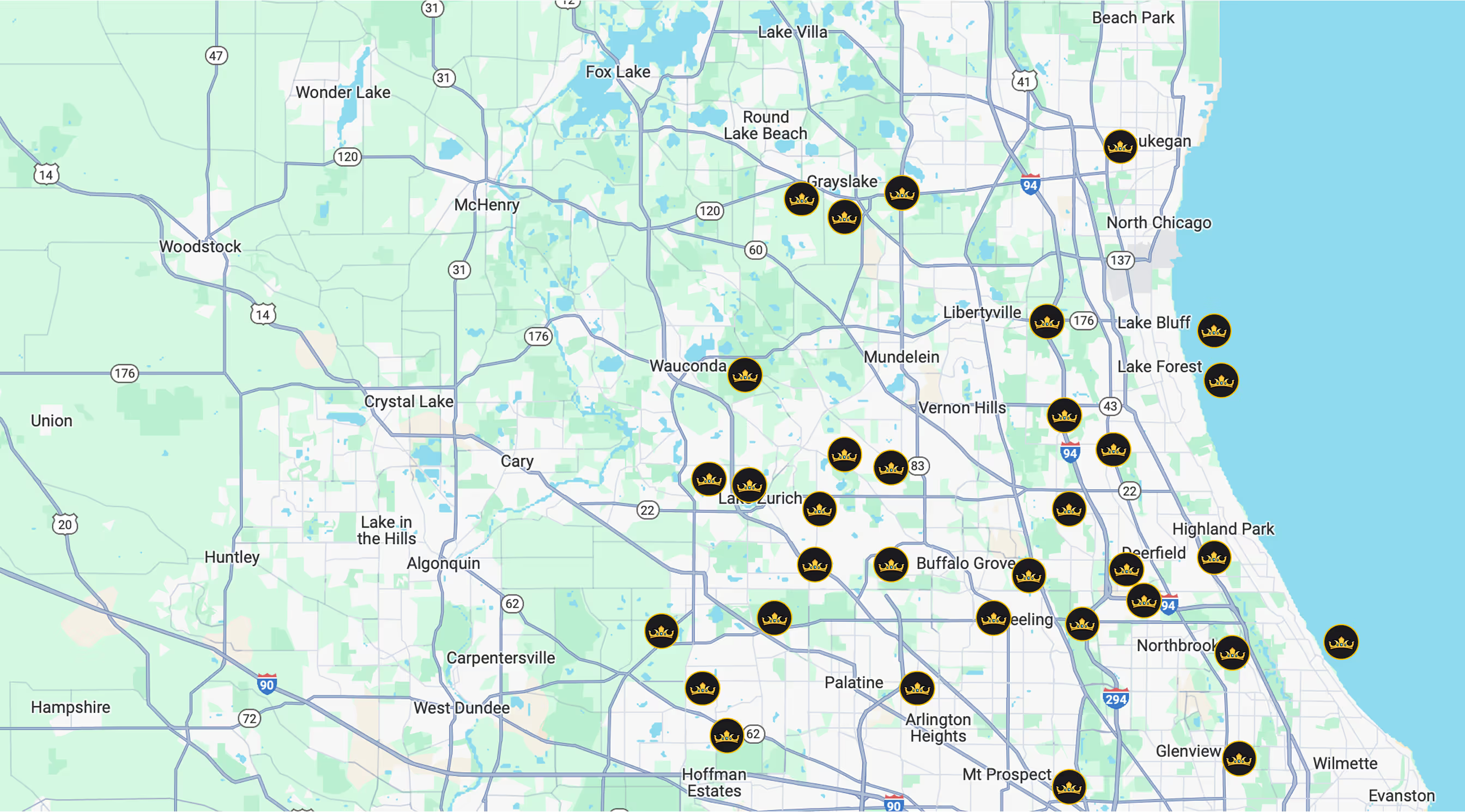
Service areas