Heat Pump Tune-up in Glenview
Heat pump tune-ups in Glenview offer a comprehensive preventive service that improves efficiency, reliability, and longevity of year-round comfort. The page outlines common issues such as reduced heating capacity, frost buildup, and noisy operation, and details a thorough tune-up checklist—from cleaning coils and checking refrigerant charge to tightening electrical connections and validating thermostat control. It also covers service duration, typical repairs identified, homeowner maintenance between visits, and the value of biannual scheduling to withstand Glenview's seasonal extremes.
%20(2)-min.avif)
Heat Pump Tune-up in Glenview
A professional heat pump tune-up in Glenview keeps your system running efficiently, reduces the risk of mid-season failures, and helps control energy costs in a climate with hot, humid summers and cold, windy winters. If you rely on a heat pump for year-round comfort, routine tune-ups address the common pain points Glenview homeowners face: reduced heating capacity during cold snaps, higher electric bills, increased indoor humidity in summer, and premature component wear.
Common heat pump tune-up issues in Glenview homes
- Reduced heating or cooling capacity after seasons of heavy use.
- Frosting or excessive cycling during cold weather because defrost controls or refrigerant level are off.
- Higher than normal energy bills from dirty coils, restricted airflow, or poor refrigerant charge.
- Noisy operation caused by loose electrical connections, failing motors, or worn bearings.
- Thermostat drift or inaccurate temperature sensing leading to uneven comfort.
- Clogged condensate drains or restricted outdoor airflow from leaves, snow, and ice.
What a Heat Pump Tune-up in Glenview includes
A comprehensive tune-up focuses on performance, safety, and longevity. Typical tasks performed during a professional tune-up include:
- Clean coils and filters
Outdoor and indoor coils are inspected and cleaned to restore heat transfer efficiency. Dirty coils cause the compressor to work harder and increase energy use. Filters are checked and replaced or recommended for replacement as needed. - Check refrigerant charge and inspect for leaks
Proper refrigerant charge is essential for efficient heating and cooling. Technicians measure pressures and temperatures to verify charge and look for signs of leaks that reduce performance. - Tighten and inspect electrical connections
Loose or corroded connections cause arcing, component failure, or unsafe operation. A tune-up includes checking contactors, capacitors, wiring, and control boards for secure connections and proper operation. - Lubricate moving parts and check motors
Fan motors, bearings, and other moving components are lubricated and inspected for wear to reduce noise and avoid premature failure. - Test system performance and safety controls
Technicians verify correct airflow, heat transfer, and temperature split. Safety controls like high-pressure and low-pressure cut-outs, defrost controls, and safety switches are tested to ensure reliable operation in Glenview’s variable weather. - Verify thermostat accuracy and control logic
Thermostat sensors and settings are checked and calibrated. Proper thermostat placement and wiring are reviewed to prevent short-cycling and uneven temperature zones. - Inspect the reversing valve and defrost cycle
For cold-season performance, the reversing valve and defrost sequence are checked so the unit can switch reliably between heating and cooling modes without excess frost buildup. - Clear condensate drains and inspect drain pans
Blocked drains can cause water damage and microbial growth. Drain lines are flushed and pans inspected. - Check airflow and ductwork basics
Technicians measure supply and return airflow and look for obvious duct leaks or closed registers that restrict system performance. - Outdoor unit clearance and winter prep
The outdoor unit is cleared of debris, trimmed clear of vegetation, and prepared to resist ice build-up. In Glenview winters, protecting the outdoor unit and ensuring proper defrost operation is critical.
Estimated service duration: a typical tune-up for a standard split heat pump system takes about 60 to 90 minutes. Older systems, multi-stage units, or homes with multiple heat pump zones may require additional time for a full diagnostic and adjustment.
Repairs and solutions commonly identified during tune-ups
- Refrigerant top-off and leak repair when pressure tests indicate undercharge.
- Replacing worn capacitors, contactors, or fan motors that threaten reliability.
- Repairing or replacing thermostat sensors or control modules causing incorrect cycling.
- Clearing or re-routing condensate drains and replacing corroded drain pans.
- Recommending duct sealing or register adjustments when airflow imbalance is found.
Technicians will typically categorize findings as routine adjustments, minor repairs, or major repairs that affect system life expectancy or safety.
Why regular tune-ups matter for Glenview residents
- Improved efficiency reduces monthly electric bills, especially during prolonged cooling or heating seasons.
- Greater reliability decreases the odds of emergency breakdowns during cold snaps or heat waves.
- Longer equipment life from reduced wear and earlier detection of failing parts.
- Consistent comfort with fewer hot or cold zones and better humidity control in humid summer months.
- Safety and peace of mind because safety controls and electrical systems are inspected to prevent hazards.
Glenview’s climate—hot, humid summers and cold, snowy winters—places year-round demands on heat pumps. Pre-season tune-ups ensure the system switches cleanly between heating and cooling modes and that defrost operations work correctly in subfreezing weather.
Recommended tune-up frequency and timing
- Minimum: once a year for basic inspection and cleaning.
- Best practice: twice a year — once in early fall (pre-winter) to verify heating readiness and defrost controls, and once in late spring (pre-summer) to optimize cooling performance and indoor humidity control. Biannual tune-ups are particularly valuable in Glenview where seasonal extremes stress the system.
What to expect during and after the service
During a tune-up a technician will perform the checks above, document findings, and explain any recommended repairs or maintenance items. After service, you should notice improved airflow, more consistent temperatures, quieter operation, and potential energy savings. For issues requiring parts or extended repairs, the technician will note priority levels so you can plan accordingly.
Simple homeowner maintenance between tune-ups
- Replace or clean filters every 1 to 3 months depending on use and pets.
- Keep outdoor unit clear of leaves, snow, and ice; clear a 2-foot perimeter when practical.
- Maintain clear register and return openings inside the home.
- Avoid drastic thermostat setpoint swings and use programmed schedules to reduce cycling.
- Keep gutters and landscaping trimmed to prevent debris accumulation around the outdoor unit.
Regular heat pump tune-ups in Glenview protect comfort and investment. Timely maintenance improves year-round performance, reduces operating costs, and extends equipment life so your home stays comfortable through both summer humidity and winter cold.

Customer
Testimonials

Great service Very professional
Air Kings was very friendly from start to finish. Very professional and on time. Always communicated with me to keep me informed. I highly recommend them.
Air Kings is a breath of fresh air when working with HVAC companies. Omar was incredibly helpful and polite, offering quality customer service I’ve never seen before. Very easy to talk with Air Kings, I recommend giving them a call!
Brian was super helpful and walked me through everything super nicely as well
Very satisfied
Great service Very professional
Air Kings was very friendly from start to finish. Very professional and on time. Always communicated with me to keep me informed. I highly recommend them.
Air Kings is a breath of fresh air when working with HVAC companies. Omar was incredibly helpful and polite, offering quality customer service I’ve never seen before. Very easy to talk with Air Kings, I recommend giving them a call!
Omar & team are great HVAC experts! They explain what they are doing and are always professional. Great techs that know what they are doing and reasonable prices.


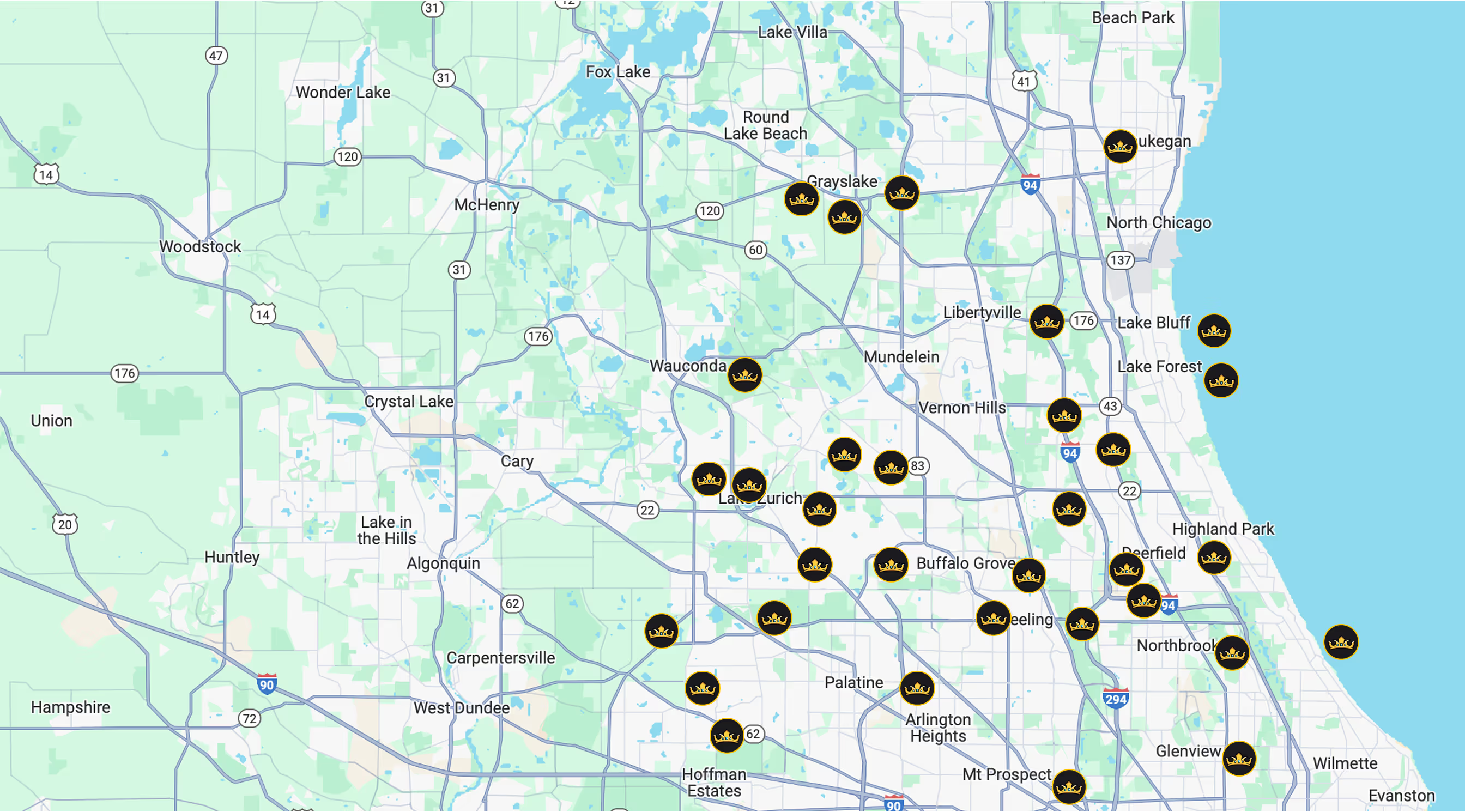
Service areas