Heat Pump Service in Prospect Heights
Heat pump service in Prospect Heights provides comprehensive diagnostics, repairs, preventative maintenance, and efficiency optimization for local homes and multi-family properties. The page highlights transparent flat-rate pricing and clear documentation, covers common issues such as refrigerant leaks, airflow problems, and ice buildup, and explains the diagnostic process, typical repair solutions, and maintenance schedules. It also details emergency support, service agreements, technician qualifications, warranties, and what customers can expect during a service visit. It also outlines appointment scheduling, access requirements, and post-service support.
-min%20(1).jpg)
Heat Pump Service in Prospect Heights
Keeping your heat pump running reliably matters year-round in Prospect Heights. With cold winters, humid summers, and a mix of older brownstones, multi-family buildings, and newer condos, heat pump performance directly affects comfort, energy bills, and long-term equipment life. This page explains comprehensive heat pump service offerings in Prospect Heights, including diagnostics and repairs, preventative maintenance, efficiency optimization, emergency support, service agreements and flat-rate pricing, technician qualifications and parts warranties, and what to expect during a service visit.
Common heat pump issues in Prospect Heights
Homes and buildings in Prospect Heights tend to show a predictable set of heat pump problems because of regional climate and building types. Typical issues include:
- Reduced heating or cooling capacity, especially during cold snaps or heat waves
- Long run times and rising energy bills due to low refrigerant charge or poor airflow
- Short cycling caused by thermostat or control faults
- Ice buildup on outdoor units in winter if defrost systems fail
- Noisy operation from failing fans, motors, or loose mounts in tight urban installations
- Condensate drain clogs and water leaks in basements or mechanical rooms
- Electrical faults including tripped breakers and capacitor failures
- Duct leakage or poor distribution in older brownstones and multi-family units
- Refrigerant leaks and compressor failures on aging systems
Understanding these common symptoms helps prioritize repairs and prevents small issues from becoming costly failures during peak heating or cooling periods.
Diagnostic process: how we find the root cause
A thorough diagnostic is the foundation of reliable service. Typical steps include:
- Remote triage to gather system details and symptoms before the visit
- Visual inspection of outdoor and indoor units, filters, coils, drains, and ducts
- Electrical testing of contactors, capacitors, breakers, and control boards
- Refrigerant pressure checks and leak detection where applicable
- Airflow measurement and static pressure checks to spot duct or filter restrictions
- Defrost cycle evaluation and temperature split analysis
- Written findings with photographic documentation and a clear, line-item estimate
Diagnostics are provided with transparent, flat-rate pricing so you know the scope and cost of analysis before decisions are made.
Repairs and solutions offered
Once diagnostics identify the problem, repairs are scoped with an eye toward longevity and efficiency. Common repairs include:
- Refrigerant leak repair and correct recharge according to specifications
- Compressor repair or replacement and reversing valve service
- Fan motor and blower repairs or upgrades for quieter operation
- Control board, sensor, and thermostat replacement or recalibration
- Defrost system repair to prevent winter icing
- Condensate drain cleaning and condensate pump replacement
- Duct sealing and airflow balancing for even comfort
- Coil cleaning and antimicrobial treatments to restore heat transfer
Repairs use OEM or OEM-equivalent parts backed by parts warranties, and we document completed work so building managers and homeowners can maintain service records.
Preventative maintenance and system optimization
Planned maintenance reduces unexpected breakdowns and improves efficiency. Recommended maintenance for Prospect Heights properties includes:
- Seasonal tune-ups before heating and cooling seasons
- Cleaning or replacing filters and coils to restore airflow and heat transfer
- Verifying refrigerant charge and adjusting for optimal performance
- Calibrating thermostats and controls, including smart thermostat integration
- Checking electrical components and tightening connections
- Inspecting and testing defrost cycles and reversing valves
- Balancing airflow and sealing common leakage points in ducts
Routine maintenance not only lowers energy bills but also preserves manufacturer warranties and extends system lifespan. For Prospect Heights homes, biannual maintenance is often recommended because of distinct seasonal demands.
Emergency and after-hours support
Heat pump failures often happen during extreme weather. Emergency and after-hours support is available for urgent heating or cooling loss. Emergency service includes:
- Rapid triage to determine immediate safety issues and temporary measures
- Priority scheduling for repairs during sustained cold snaps or heat waves
- Safe temporary fixes to restore heat or cooling while planning permanent repairs
- Clear communication about expected response windows and next steps
Emergency support minimizes disruption and helps protect property in vulnerable conditions.
Service agreements and flat-rate pricing structure
Service agreements provide predictable maintenance and priority service for residential and multi-family properties. Typical agreement benefits include:
- Scheduled seasonal maintenance visits and performance checks
- Priority scheduling and reduced response times during peak seasons
- Discounts on parts and labor for covered repairs
- Record-keeping for warranty compliance and property management needs
A flat-rate pricing structure is used for diagnostics, standard services, and routine maintenance so estimates are clear and straightforward. Quotes are itemized to show parts and labor without hidden hourly surprises.
Technician qualifications and parts warranties
Technicians working on heat pumps in Prospect Heights carry certifications and training relevant to modern systems. Qualifications commonly include:
- EPA 608 certification for refrigerant handling
- Manufacturer-specific training for recent heat pump models and inverter technology
- Ongoing professional training in controls, smart thermostats, and efficiency best practices
- Background checks, insurance, and familiarity with local building codes and permit requirements
Parts come with manufacturer or installer-backed warranties, and labor warranty terms are disclosed upfront with each repair.
What to expect during a service visit in Prospect Heights
A typical service visit is structured to be efficient and transparent:
- Appointment window and arrival by a uniformed, certified technician
- Initial walkthrough to confirm symptoms and access points
- Safety checks followed by diagnostic testing and documented findings
- Clear explanation of options: repair, replacement, or temporary measures
- Itemized estimate and timeline for repair or maintenance tasks
- Post-service verification that the system is operating correctly and advice on simple homeowner care
- Paperwork including service report and warranty documentation
For buildings with limited access or parking, technicians are prepared to work in tight spaces and coordinate with property managers.
Why timely heat pump service matters in Prospect Heights
Regular, professional heat pump service keeps your system efficient, reliable, and safe during Prospect Heights winters and humid summers. Timely maintenance reduces emergency repairs, lowers energy costs, supports warranty compliance, and prolongs equipment life. For property owners and managers in Prospect Heights, a proactive approach protects tenant comfort and preserves property value while supporting broader electrification and efficiency goals in the neighborhood.
Scheduling options are available through standard channels, including online appointment requests, email, and phone-based scheduling, with emergency response options for critical situations. When arranging service, have your system model, installation year, and a description of symptoms ready to help the diagnostic process proceed smoothly.

Customer
Testimonials

Great service Very professional
Air Kings was very friendly from start to finish. Very professional and on time. Always communicated with me to keep me informed. I highly recommend them.
Air Kings is a breath of fresh air when working with HVAC companies. Omar was incredibly helpful and polite, offering quality customer service I’ve never seen before. Very easy to talk with Air Kings, I recommend giving them a call!
Brian was super helpful and walked me through everything super nicely as well
Very satisfied
Great service Very professional
Air Kings was very friendly from start to finish. Very professional and on time. Always communicated with me to keep me informed. I highly recommend them.
Air Kings is a breath of fresh air when working with HVAC companies. Omar was incredibly helpful and polite, offering quality customer service I’ve never seen before. Very easy to talk with Air Kings, I recommend giving them a call!
Omar & team are great HVAC experts! They explain what they are doing and are always professional. Great techs that know what they are doing and reasonable prices.


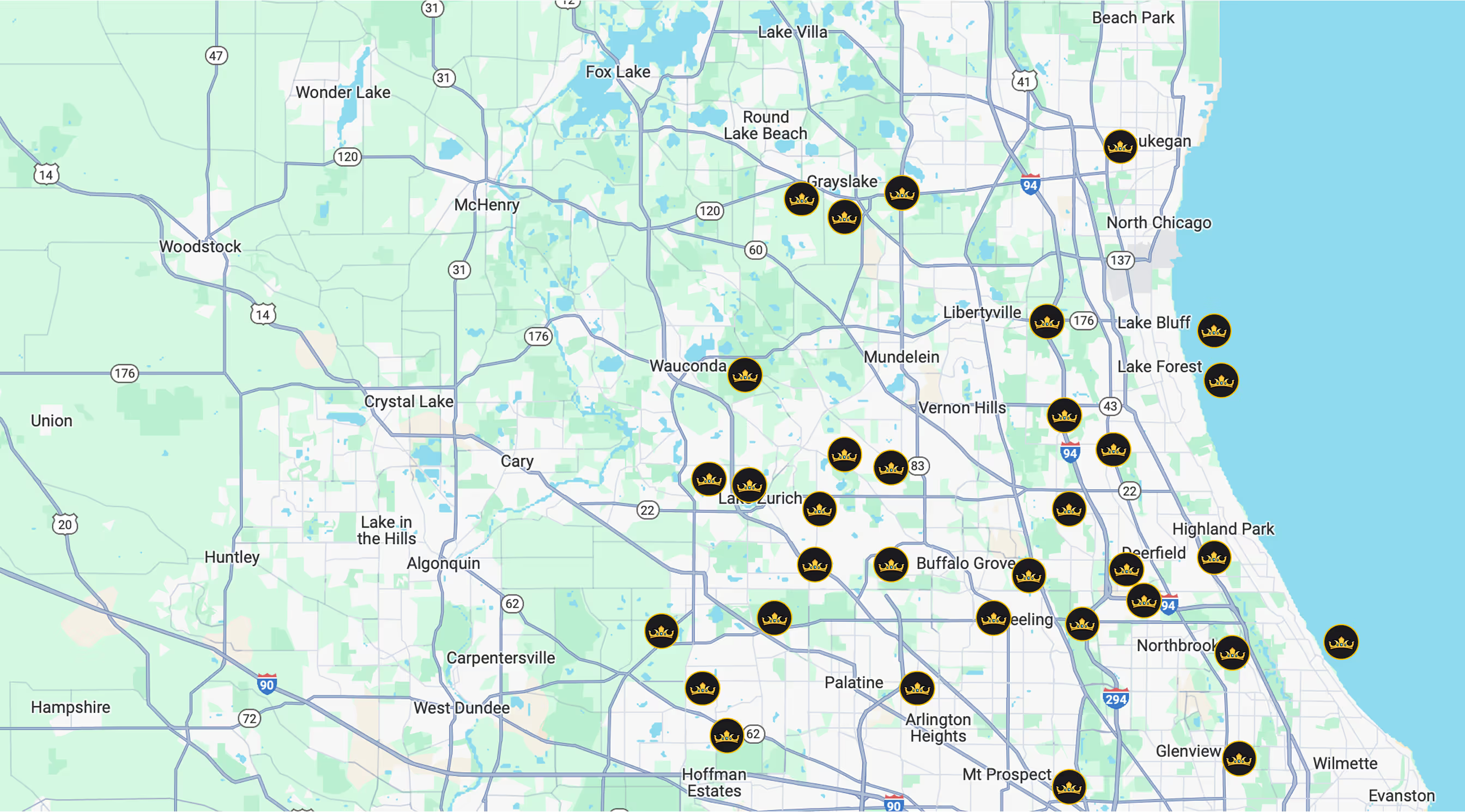
Service areas