Heat Pump Replacement in Palatine
A detailed guide to heat pump replacement in Palatine helps homeowners determine when replacement is a better option than repair, emphasizing the importance of a professional assessment and an accurate Manual J load calculation. It explains the removal and installation process step by step, addresses financing and available rebates, and sets clear expectations for system commissioning. The guide also walks through selecting the right heat pump type, understanding efficiency ratings and warranties, and following post-installation maintenance best practices to ensure long-term comfort, reliability, and energy savings. In addition, it compares air-source, ductless, and hybrid systems—covering sizing, zoning, and performance considerations—so Palatine homeowners can make confident, well-informed decisions.
-min.jpg)
Heat Pump Replacement in Palatine
Upgrading your heat pump is one of the most impactful home improvements for comfort, energy savings, and reliability in Palatine. With cold, snowy winters and humid summers, homes in our area rely on heating and cooling systems that perform efficiently across wide temperature swings. This page explains when replacement is recommended over repair, how a professional assessment and load calculation guide the right system choice, the practical steps of removal and installation, financing and rebate considerations, and what to expect after the new system is commissioned.
When to Replace Versus Repair
Deciding between repair and replacement depends on age, performance, and recurring problems. Consider replacement when any of the following apply:
- The unit is older than 10 to 15 years and uses low-efficiency technology.
- Repairs are frequent or costly relative to the system value.
- The system no longer meets comfort needs: uneven heating, long run times, or inability to maintain temperature during Palatine winters.
- Refrigerant leaks, compressor failure, or major component breakdowns occur.
- You want lower utility bills or to switch from a fossil-fuel backup to an electric heat pump for cleaner heating.
If the problem is isolated and the unit is otherwise in good condition, a targeted repair may be sensible. For repeated issues, declining efficiency, or when you want improved cold-weather performance, replacement is often the better long-term investment.
Assessment and Load-Calculation Process
A proper replacement starts with a detailed assessment, not just swapping equipment. The assessment typically includes:
- Visual inspection of existing equipment, ductwork, and thermostat.
- Evaluation of insulation, windows, and air sealing that affect heating and cooling loads.
- Airflow measurement and duct leakage evaluation.
A key step is an industry-standard load calculation (often referred to as a Manual J). This calculates the exact heating and cooling capacity your Palatine home needs by accounting for:
- Square footage and room-by-room layout
- Orientation and window types
- Insulation levels and air leakage
- Local climate conditions, including Palatine winter design temperatures
A correct load calculation prevents oversized or undersized systems, both of which reduce comfort and efficiency.
Comparing System Types and Efficiency Options
There are several heat pump options suited to Palatine homes. Key differences to consider:
- Air-source heat pumps: The most common residential option. Modern cold-climate models maintain capacity in below-freezing temperatures and are well suited to Palatine winters when paired with proper sizing and backup as needed.
- Ductless mini-splits: Ideal for homes without ducts or for zone-by-zone upgrades. They provide high efficiency and individualized comfort control.
- Ducted variable-speed systems: Offer smoother operation, quieter performance, and better humidity control. Variable-speed compressors adapt output to demand, improving comfort and efficiency.
- Hybrid systems (dual fuel): Combine a heat pump with a gas furnace. Useful in regions with very cold snaps when electric heat pump efficiency drops.
Efficiency metrics to watch:
- SEER (Seasonal Energy Efficiency Ratio) for cooling
- HSPF or HSPF2 for heating performance
- COP (Coefficient of Performance) at specific low temperatures for cold-climate performance
Choosing a higher-efficiency model usually costs more up front but reduces energy use over the life of the system. In Palatine, where heating demand is significant, investing in cold-climate models and variable-speed technology often delivers the best comfort-to-cost balance.
Removal and Disposal of Old Equipment
Replacement includes safe removal and responsible disposal. Standard steps:
- Recover refrigerant using certified equipment in compliance with environmental regulations.
- Disconnect and remove outdoor and indoor units, including any obsolete line sets or duct connections.
- Inspect and, if necessary, repair ductwork and electrical service for compatibility with the new system.
- Recycle or dispose of components according to local and federal rules.
Proper refrigerant recovery and disposal protect the environment and ensure compliance with EPA rules.
Installation Timeline
Typical installation process and timeframes (subject to home specifics):
- Initial assessment and load calculation: 1 site visit
- Equipment selection and ordering: variable lead times depending on model
- Pre-install preparation: ductwork, electrical upgrades, and permits as needed
- Installation day(s): outdoor unit placement, indoor unit(s), refrigerant lines, electrical connections, and thermostat
- Commissioning and testing: system startup, refrigerant charge confirmation, airflow and safety checks
Most standard replacements can be completed in a few days once equipment is on site. More complex installations, like duct modifications or whole-home conversions to ductless systems, can take longer.
Costs, Financing, and Rebate Options
Replacement cost varies with system type, capacity, and installation complexity. To make projects more affordable, homeowners commonly explore:
- Manufacturer or dealer financing programs that allow spreading payments over time
- Utility rebates and incentives for installing high-efficiency or cold-climate heat pumps
- Federal or state tax credits for energy-efficient equipment (eligibility depends on current programs and product specifications)
- Local incentive programs that support electrification or energy upgrades
A licensed installer can help identify available rebates and incentive programs that apply to your Palatine property and advise on documentation required for claims.
Post-Installation Commissioning and Warranty Information
Commissioning ensures the system operates as designed. It includes:
- Verifying correct refrigerant charge and airflow
- Balancing zones and verifying thermostat function
- Calibrating controls for optimal efficiency and comfort
- Demonstrating system operation and recommended maintenance tasks
Warranty components to review:
- Manufacturer warranty on compressors and major components
- Limited labor warranty from the installer
- Extended warranties or service plans available for added protection
Registering the equipment with the manufacturer and keeping service records helps preserve warranty coverage and simplifies any future claims.
Benefits and Maintenance Tips for Palatine Homes
A proper heat pump replacement delivers improved comfort, reduced energy bills, and greater reliability during Palatine winters and humid summers. To protect your investment:
- Schedule annual maintenance: check refrigerant levels, clean coils, inspect electrical components, and test defrost cycles.
- Replace or clean filters regularly for airflow and indoor air quality.
- Keep outdoor unit clear of snow, leaves, and debris to maintain performance.
- Use zoning or programmable thermostats to match comfort needs to occupancy and reduce run times.
A well-selected and expertly installed heat pump becomes a long-term asset for Palatine homes, offering consistent comfort, predictable operating costs, and reduced environmental impact compared to older systems.

Customer
Testimonials

Great service Very professional
Air Kings was very friendly from start to finish. Very professional and on time. Always communicated with me to keep me informed. I highly recommend them.
Air Kings is a breath of fresh air when working with HVAC companies. Omar was incredibly helpful and polite, offering quality customer service I’ve never seen before. Very easy to talk with Air Kings, I recommend giving them a call!
Brian was super helpful and walked me through everything super nicely as well
Very satisfied
Great service Very professional
Air Kings was very friendly from start to finish. Very professional and on time. Always communicated with me to keep me informed. I highly recommend them.
Air Kings is a breath of fresh air when working with HVAC companies. Omar was incredibly helpful and polite, offering quality customer service I’ve never seen before. Very easy to talk with Air Kings, I recommend giving them a call!
Omar & team are great HVAC experts! They explain what they are doing and are always professional. Great techs that know what they are doing and reasonable prices.


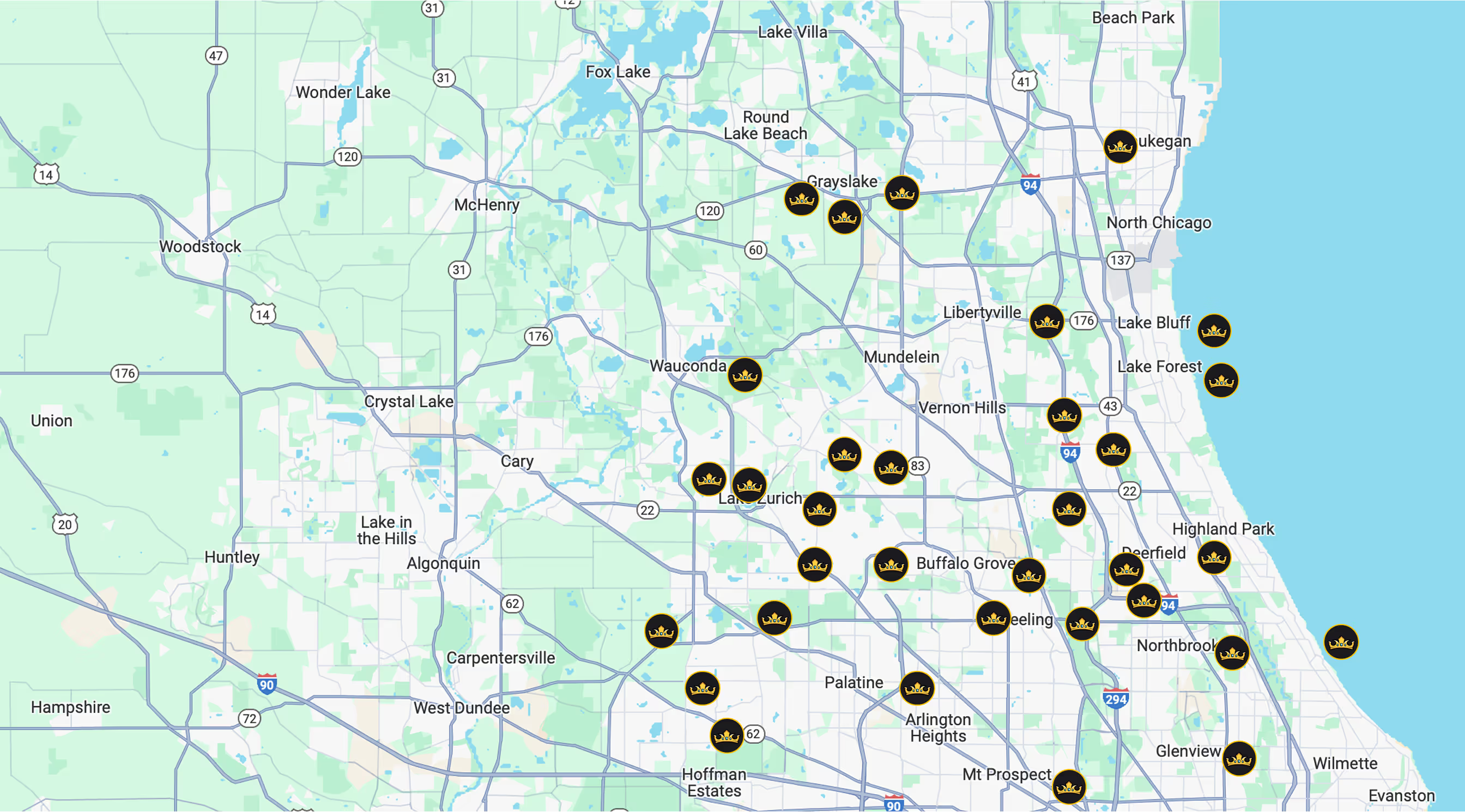
Service areas