Air Conditioning Installation in Round Lake
Air conditioning installation in Round Lake is a comprehensive, step-by-step service that begins with a home visit and a detailed load calculation to ensure the right size and ducting. From permitting and site prep to professional installation and meticulous commissioning, the process prioritizes efficiency, comfort, and warranty protection. With guided equipment selection, proper refrigerant charging, thorough post-install testing, and maintenance guidance, homeowners gain lasting performance, lower energy costs, and reliable cooling tailored to Round Lake climates and home layouts.
-min.avif)
Air Conditioning Installation in Round Lake
Installing a new air conditioning system in your Round Lake home is more than swapping equipment. Proper installation ensures reliable cooling during hot, humid summers, lowers energy bills, preserves indoor air quality, and protects your warranty. This page walks through the full installation process — from initial consultation and load calculation to commissioning and ongoing maintenance — so you know exactly what to expect and why each step matters in Round Lake homes.
Why correct installation matters in Round Lake
Round Lake experiences warm, humid summers that drive higher cooling loads and stress systems. An undersized or poorly installed unit will run constantly, struggle with humidity control, and cost more to operate. Oversizing can cause short cycling, uneven temperatures, and premature wear. Proper installation tailored to local climate and home specifics delivers comfort, efficiency, and longevity.
Common air conditioning installation scenarios for Round Lake homes
- Replacing an old central AC with a modern, higher-efficiency system
- Installing a new split-system in a recently finished or renovated home
- Upgrading or replacing ductwork at the same time as the AC unit
- Adding zoning or a variable-speed system to improve comfort and humidity control
- Switching to a heat pump for combined cooling and heating efficiency
Initial consultation and load calculation
Every installation begins with an on-site consultation and a formal load calculation (often called a Manual J). This determines how much cooling your home actually needs by accounting for:
- Square footage and ceiling heights
- Insulation levels and window types
- Orientation and solar gain
- Number of occupants and typical internal heat sources
- Local climate factors such as humidity and temperature extremes
A precise load calculation prevents the common Round Lake problem of undersized systems that run continuously or oversized systems that short cycle. It also informs ductwork requirements and equipment selection.
Equipment selection: SEER ratings and brand options
Choosing the right equipment balances efficiency, capacity, and features.
- SEER ratings explained: SEER (Seasonal Energy Efficiency Ratio) measures cooling efficiency. Higher SEER means lower operating costs, which can be particularly impactful during Round Lake’s long cooling season.
- Single-stage vs two-stage vs variable-speed compressors: Variable-speed units offer better humidity control and quieter operation, valuable in humid climates.
- Brand options and matching components: Proper installation means selecting compatible condensers, air handlers, evaporator coils, and thermostats. Matching components ensures correct refrigerant charge and optimal performance.
- Options for improved dehumidification: Some systems include enhanced dehumidification features important for local humidity control.
Permitting and site preparation
Most municipalities require permits and inspections for new AC installations. The process typically includes:
- Obtaining local permits and scheduling inspections
- Ensuring electrical service and breakers meet code for the selected unit
- Preparing a flat, accessible pad for the outdoor condenser
- Clearing work areas and protecting landscaping and walkways
- Verifying adequate ventilation and condensate drain paths
Handling permits properly avoids delays and ensures installations meet code and safety standards.
Professional installation steps
A professional installation follows a defined sequence to minimize risk and maximize system performance:
- Safely decommission and remove the old equipment, reclaiming refrigerant per regulations
- Inspect and modify ductwork as needed - sealing, insulating, and resizing to meet airflow requirements
- Mount and level the outdoor condenser on a pad or bracket
- Install the indoor coil or air handler and connect refrigerant lines, condensate drain, and electrical
- Pull proper electrical wiring and circuit protection to code
- Evacuate and charge the system with the correct refrigerant charge based on manufacturer specs
- Install and configure the thermostat and any zoning controls
Each step is documented so the system is installed to manufacturer specifications and local codes.
Post-install testing and commissioning
Commissioning validates the installation and ensures the system performs to expectations:
- Leak checks and refrigerant charge verification
- Airflow measurements and static pressure checks
- Temperature split testing across evaporator coil
- Safety control checks and electrical testing
- Thermostat calibration and control verification
- Documentation of settings, maintenance requirements, and warranty registration
Thorough commissioning reduces callbacks and ensures the system handles Round Lake’s heat and humidity efficiently.
Maintenance recommendations for longevity and performance
Regular maintenance keeps the system efficient and protects warranties. Recommended service includes:
- Replace or clean filters every 1-3 months depending on use and filter type
- Annual professional tune-ups before the cooling season: inspect refrigerant levels, test electrical components, clean coils, and verify airflow
- Inspect and seal ductwork to prevent energy loss and improve comfort
- Keep the outdoor unit clear of vegetation and debris; maintain proper clearance for airflow
- Consider a smart thermostat and zoning to optimize runtime and comfort in multi-level or larger homes
Proactive care reduces energy costs and extends equipment life in Round Lake’s variable climate.
Financing options and flat-rate pricing transparency
Many homeowners prefer predictable pricing and flexible payment options when planning a major upgrade. Common approaches include:
- Flat-rate pricing structures that cover labor and standard installation tasks, giving clear upfront expectations of what is included
- Financing plans that spread payments over time with options tailored to home improvement projects
- Transparent scopes of work that list equipment, included components, and any common add-ons such as duct modifications or permitting
Understanding the scope of work and what flat-rate pricing covers helps homeowners in Round Lake compare bids on an apples-to-apples basis and choose an installation that fits both needs and budget.
Benefits of a professionally installed system in Round Lake
A properly sized and installed air conditioning system delivers:
- Consistent, comfortable temperatures and improved humidity control
- Lower monthly energy costs through higher SEER equipment and correct installation
- Better indoor air quality with properly sealed ducts and effective filtration
- Longer equipment life and fewer expensive repairs
- Compliance with manufacturer warranties and local code requirements
Choosing a thorough, code-compliant installation process tailored to Round Lake’s climate ensures your home stays comfortable during hot months while keeping operating costs and service calls to a minimum.
Regular maintenance and correct installation are the foundation of reliable cooling. With a clear scope, accurate load calculation, quality equipment selection, and careful commissioning, your new air conditioning system will meet your comfort needs and perform efficiently for years to come.

Customer
Testimonials

Great service Very professional
Air Kings was very friendly from start to finish. Very professional and on time. Always communicated with me to keep me informed. I highly recommend them.
Air Kings is a breath of fresh air when working with HVAC companies. Omar was incredibly helpful and polite, offering quality customer service I’ve never seen before. Very easy to talk with Air Kings, I recommend giving them a call!
Brian was super helpful and walked me through everything super nicely as well
Very satisfied
Great service Very professional
Air Kings was very friendly from start to finish. Very professional and on time. Always communicated with me to keep me informed. I highly recommend them.
Air Kings is a breath of fresh air when working with HVAC companies. Omar was incredibly helpful and polite, offering quality customer service I’ve never seen before. Very easy to talk with Air Kings, I recommend giving them a call!
Omar & team are great HVAC experts! They explain what they are doing and are always professional. Great techs that know what they are doing and reasonable prices.


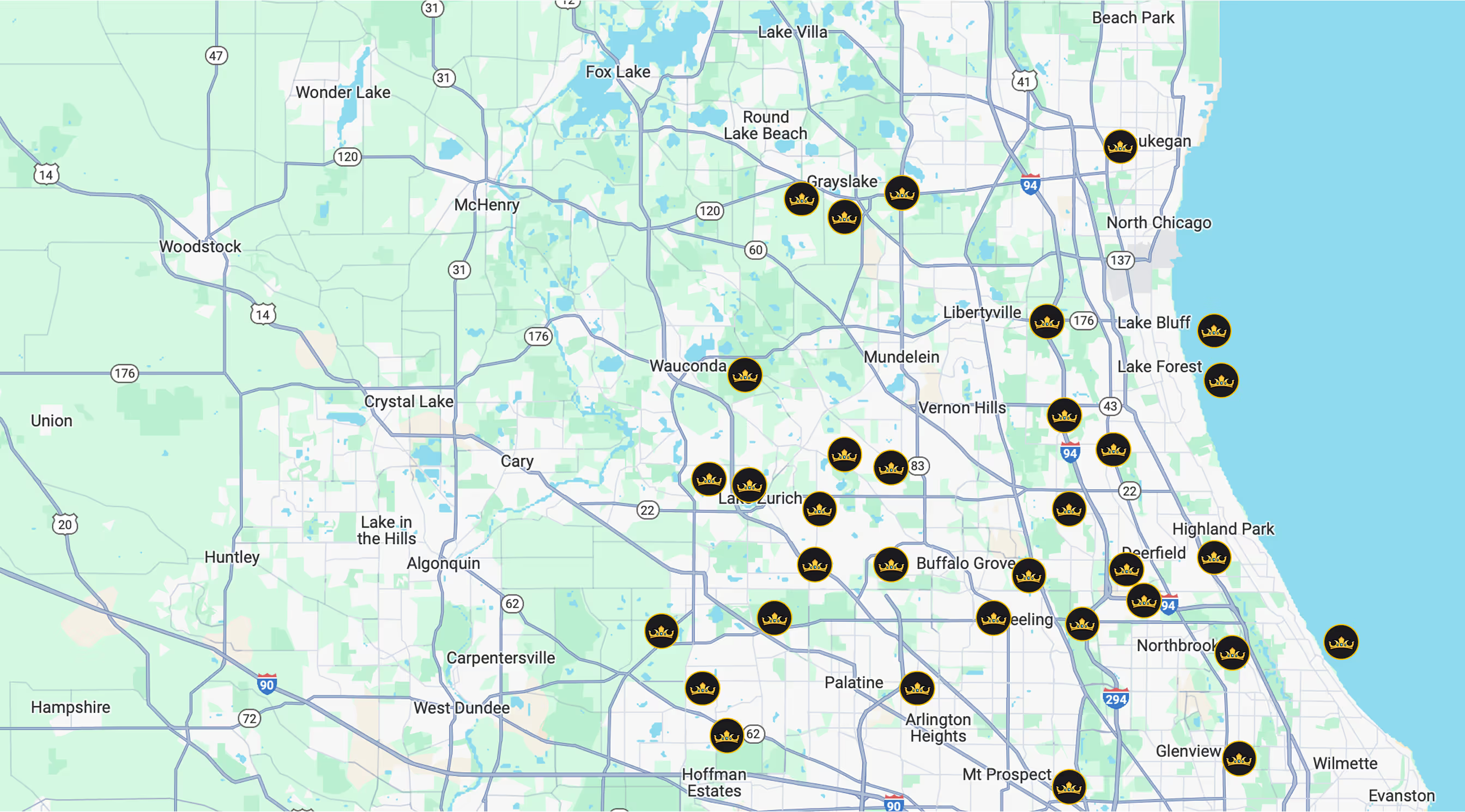
Service areas